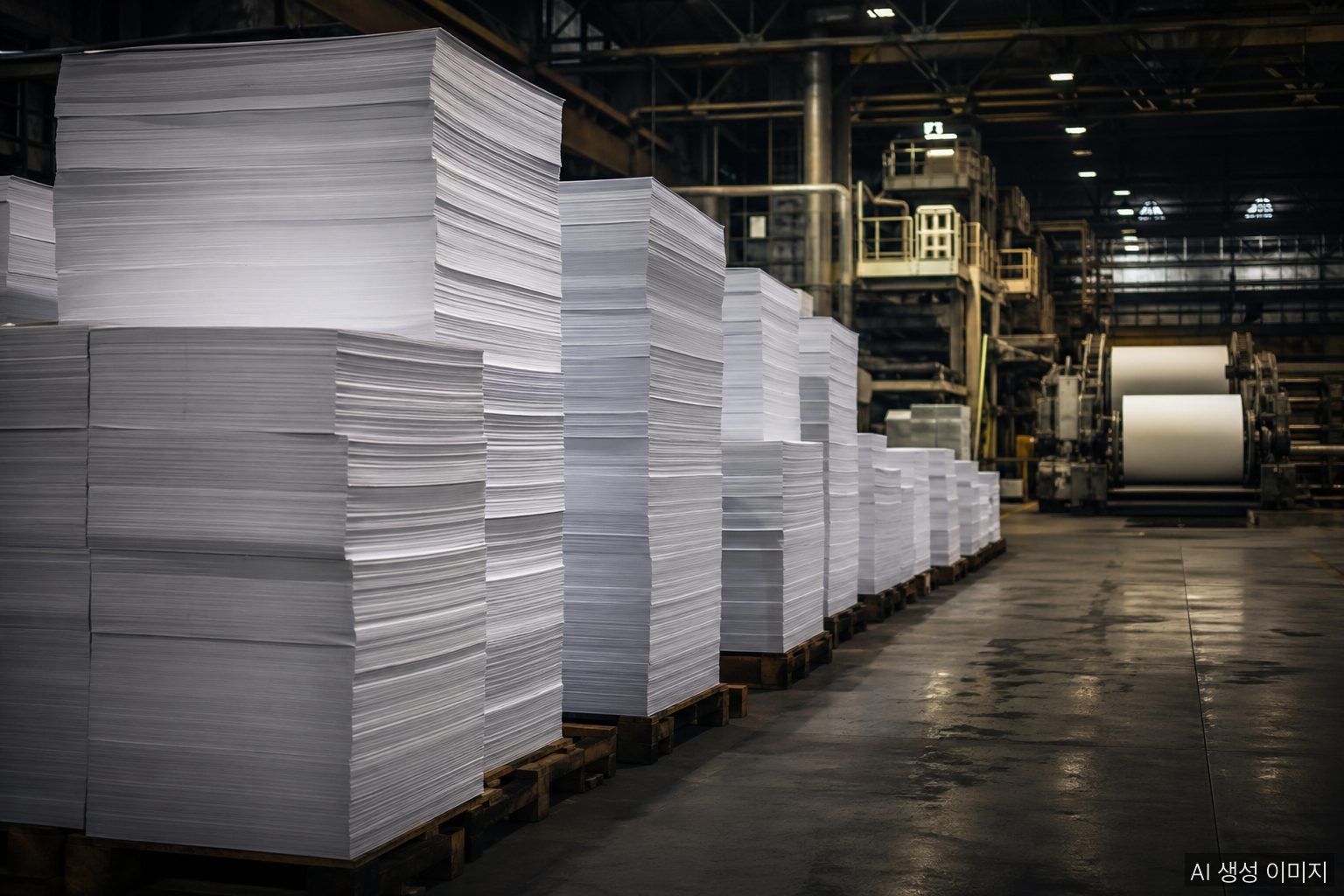
In April 2026, the Korea Fair Trade Commission (KFTC) announced KRW 338.3 billion in decision-stage fines against six paper manufacturers found to have coordinated printing-paper prices over nearly four years. That public decision amount must be separated from later post-leniency cash payments.
August 2026 update: A July report citing an industry joint statement said leniency reduced the final total to KRW 144.1 billion. See the source-status comparison between the official KRW 338.3 billion decision and the reported KRW 144.1 billion final total.
What Happened
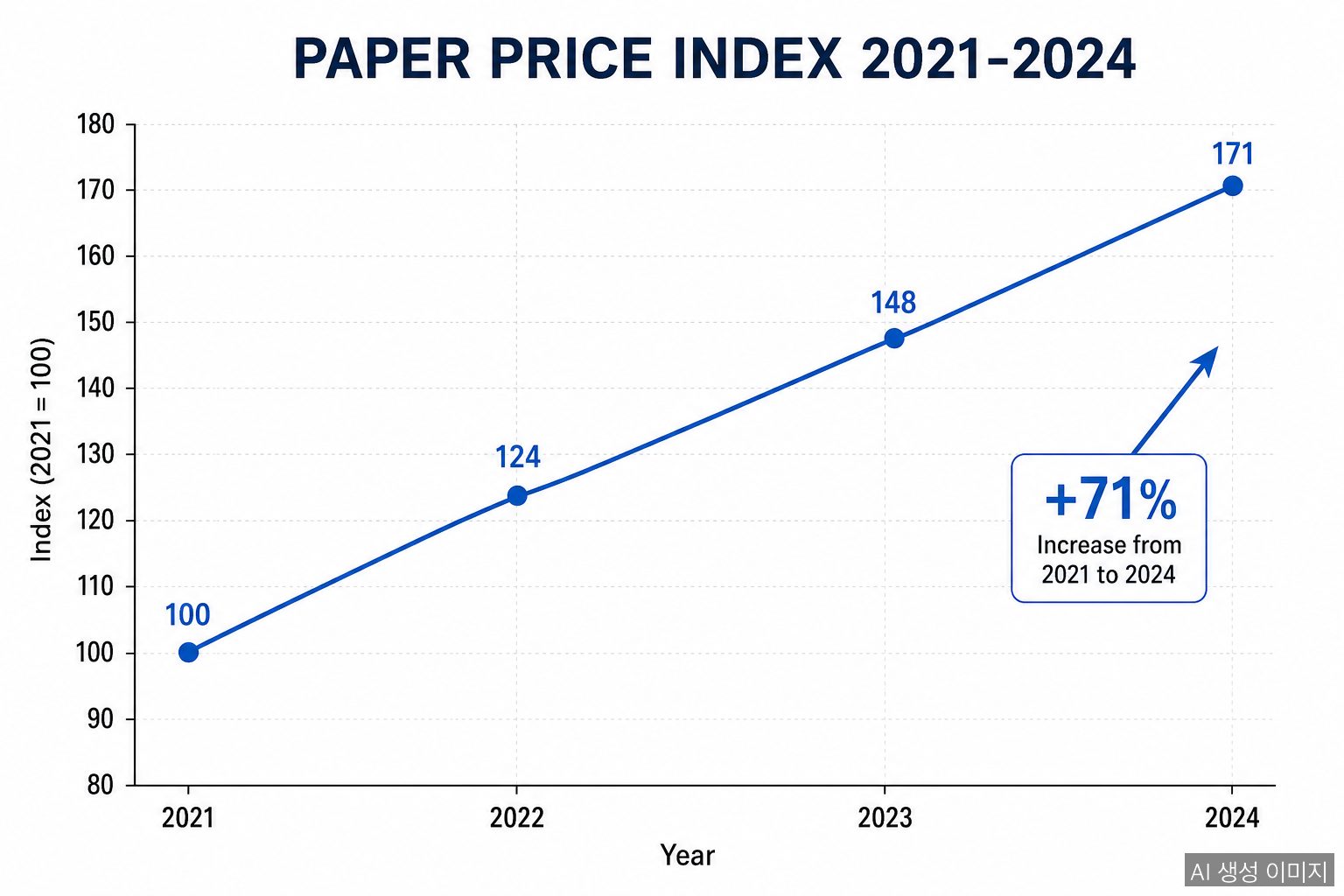
The KFTC found that Moorim SP, Moorim Paper, Moorim P&P, Korea Paper, Hansol Paper, and Hongwon Paper had colluded on the selling prices of printing paper from February 2021 to December 2024: a span of three years and ten months. During that time the companies held more than 60 meetings and reached seven separate price-increase agreements.
The cumulative effect: printing paper prices rose by an average of 71%. The fine is the fifth-largest in KFTC history across all industries, and the largest ever imposed on the paper sector.
Fines by Company
| Company | Decision-stage fine before leniency |
|---|---|
| Hansol Paper | ₩142.58 billion |
| Moorim P&P | ₩91.96 billion |
| Korea Paper | ₩49.06 billion |
| Moorim Paper | ₩45.85 billion |
| Hongwon Paper | ₩8.54 billion |
| Moorim SP | ₩347 million |
| Total | ₩338.3 billion |
The table shows the decision-stage amounts disclosed by the KFTC, not company-level post-leniency cash payments. The KFTC also issued a price re-determination order. Korea Paper and Hongwon Paper were referred to prosecutors for criminal investigation.
Who Paid the Real Price
A 71% increase in printing paper prices did not stay within the industry. The cost was passed downstream to printing shops, publishers, and ultimately consumers. Textbook, magazine, and office paper prices all climbed sharply during the cartel period: an outcome the KFTC cited as evidence of consumer harm.
What Comes Next
The fine lands as the paper industry already faces compounding pressure: pulp prices are rising, the Korean won is weak against the dollar, and shipping costs remain elevated. The cartel ruling adds legal risk and reputational damage on top of these external pressures.
The KFTC described the action as a clear warning against using raw material cost increases as cover for coordinated pricing. The six firms now face not only penalty payments but a comprehensive review of how they set and communicate prices going forward.
FAQ
Q: How much did printing paper prices rise during the cartel period?
Prices rose by an average of 71% from February 2021 through December 2024: about three years and ten months. During that time the six companies met more than 60 times and reached seven separate price-increase agreements.
Q: Which company had the largest decision-stage fine?
Hansol Paper, with KRW 142.58 billion before leniency. The other decision-stage amounts were Moorim P&P KRW 91.96B, Korea Paper KRW 49.06B, Moorim Paper KRW 45.85B, Hongwon Paper KRW 8.54B, and Moorim SP KRW 347M. These are not the final company-level payments after leniency.
Q: Will paper prices come back down after the ruling?
The KFTC issued a price re-determination order, but pulp prices, the weak won (₩1,500/USD), and 30%+ container freight increases mean a sharp decline is structurally unlikely in the short term.
About the Author
PackingMaster: Editor of PaperPackLog. Covers market trends, product insights, and technology in the paper packaging industry.
References
- Kookmin Ilbo, “Printing Paper Prices Up 71%: Six Paper Companies Hit With ₩338.3B Fines for Cartel” (April 23, 2026)
- Herald Economy, “Why Printing Paper Jumped 71%: Six Paper Companies’ Collusion” (April 23, 2026)
- Aju News, “KFTC Imposes ₩338.3B on Paper Cartel: Largest in Industry History” (April 23, 2026)
- Financial News, “Behind Book Prices: Paper Cartel: Price Re-determination Order and ₩338.3B Fines” (April 23, 2026)
- Asia Today, “Paper Industry ‘3 Years 10 Months Collusion’ Caught: KFTC ₩338.3B Fine” (April 23, 2026)