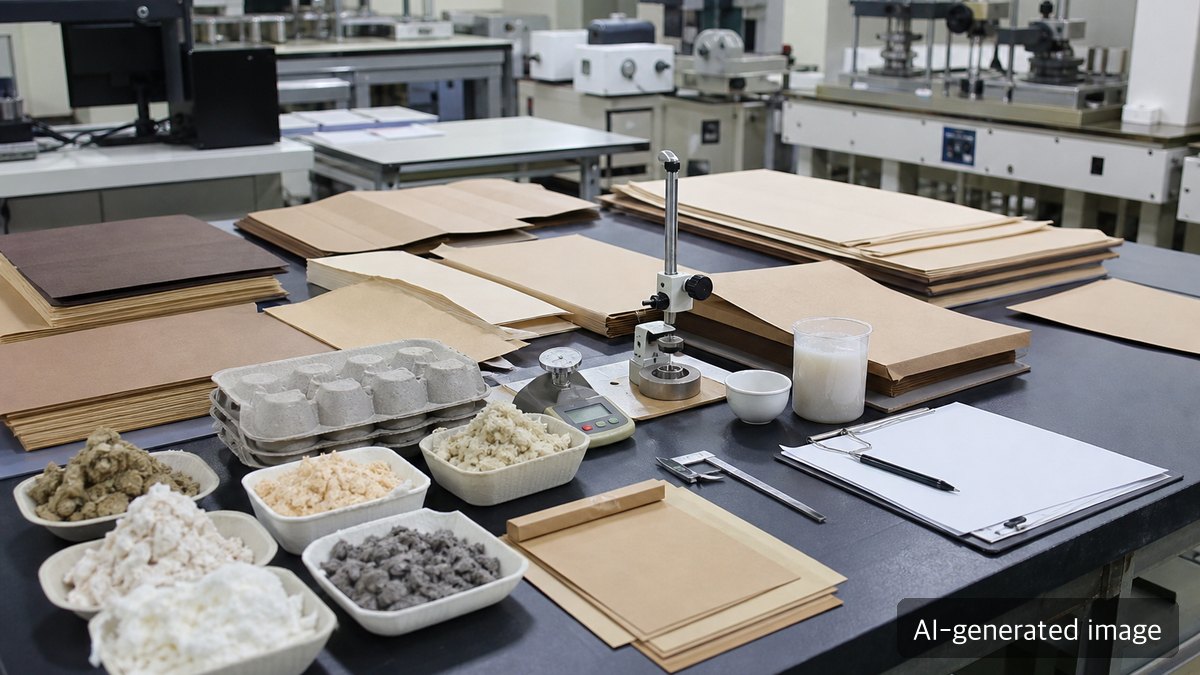
The packaging industry is under growing pressure to reduce dependence on virgin pulp. Recycled fiber, agricultural residues, non-wood fiber, and blended pulp are all gaining attention as possible routes. But for a packaging buyer, the real question is not simply whether the material sounds sustainable.
The practical question is: can it maintain packaging performance while reducing sourcing and cost risk?
Alternative fiber packaging can be a useful option, but it is not a universal substitute for every paper packaging specification. Before approval, procurement and R&D teams should ask for an operating data package, not just a material story.
Why alternative fiber is getting attention again
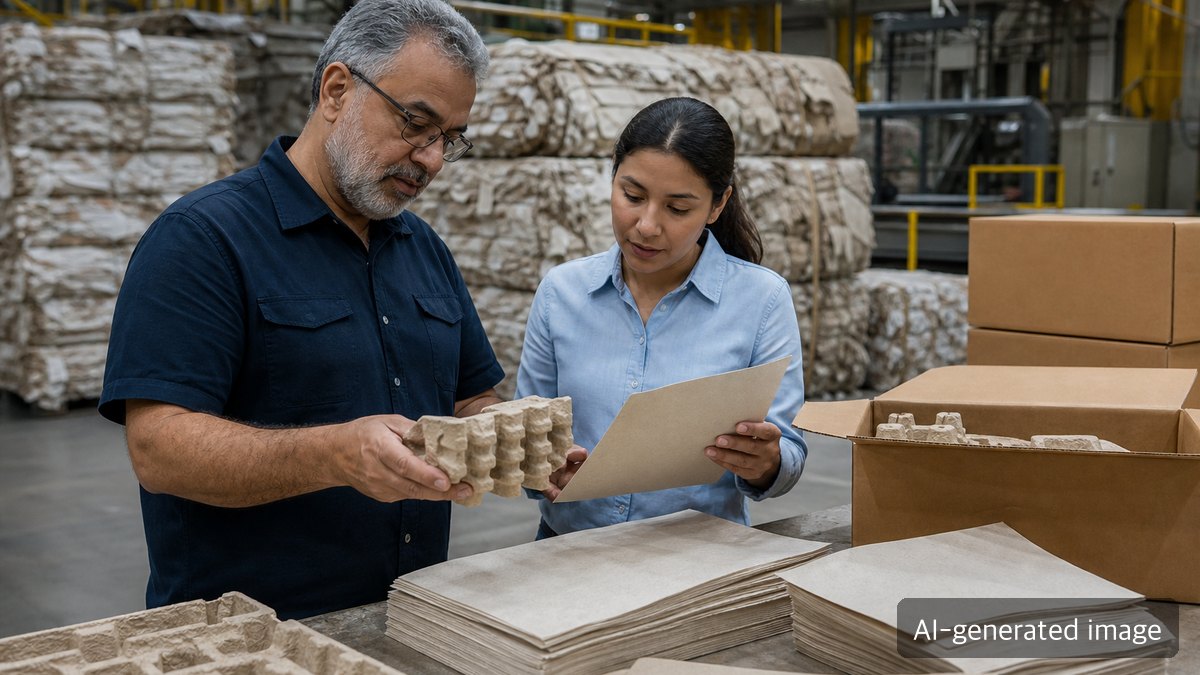
Alternative fiber is not a new idea. Straw, bagasse, bamboo, oat hulls, recycled fiber, and other non-wood inputs have long been discussed as paper raw materials. The topic is gaining renewed attention for three reasons.
First, virgin pulp sourcing and pricing remain exposed to volatility. Wood pulp supply is affected by certified forestry, logistics, energy costs, and regional supply-demand balance. Heavy dependence on one raw material can weaken quote validity and delivery stability.
Second, packaging sustainability requests are becoming more specific. Buyers increasingly ask for recycled content, forest certification, recyclability, chemical information, and carbon-related documentation instead of broad “eco-friendly” claims.
Third, brands are trying to reduce plastic cushioning and coated plastic structures in food, cosmetics, and e-commerce packaging. Paper-based cushioning, molded fiber, barrier paper, and sleeves are being reviewed more often, which brings fiber sourcing into the specification discussion.
1. Look at supply stability before the raw material name
Alternative fiber often attracts attention because of what it is made from. In real procurement, however, the more important question is whether it can be supplied repeatedly and consistently.
Agricultural-residue fiber may be affected by harvest cycles, local availability, preprocessing capacity, and storage conditions. Recycled fiber quality can shift with recovered paper grade, contamination, deinking, screening, and import restrictions. Non-wood fiber may require different blending conditions because fiber length and bonding behavior can differ from wood pulp.
A basic sourcing review should request:
- Monthly available volume and minimum order quantity
- Raw material origin and preprocessing method
- Allowable blending range
- Seasonal quality variation controls
- Backup fiber or auxiliary pulp conditions
If the sustainability narrative is strong but repeat supply is weak, the material may be better suited to a pilot product than to a high-volume production package.
2. Compare strength data in the same units as the current specification
Alternative fiber packaging often fails at the performance comparison stage. A sample may look acceptable, but problems can appear during folding, tearing, compression, humidity exposure, or actual line handling.
The comparison should not be based on feel. It should use the same test items used for the current specification.
- Basis weight, thickness, and density
- Tensile and burst strength
- Compression strength, ring crush, and edge crush
- Folding endurance and score-line cracking
- Moisture absorption and humidity-related strength loss
- Cushioning recovery after impact
Export packaging, heavy-duty packaging, and long-storage packaging should not be approved on dry-condition data alone. Container humidity, rainy-season warehouses, and cold-chain transitions can change performance.
3. Printing, bonding, and converting need separate tests
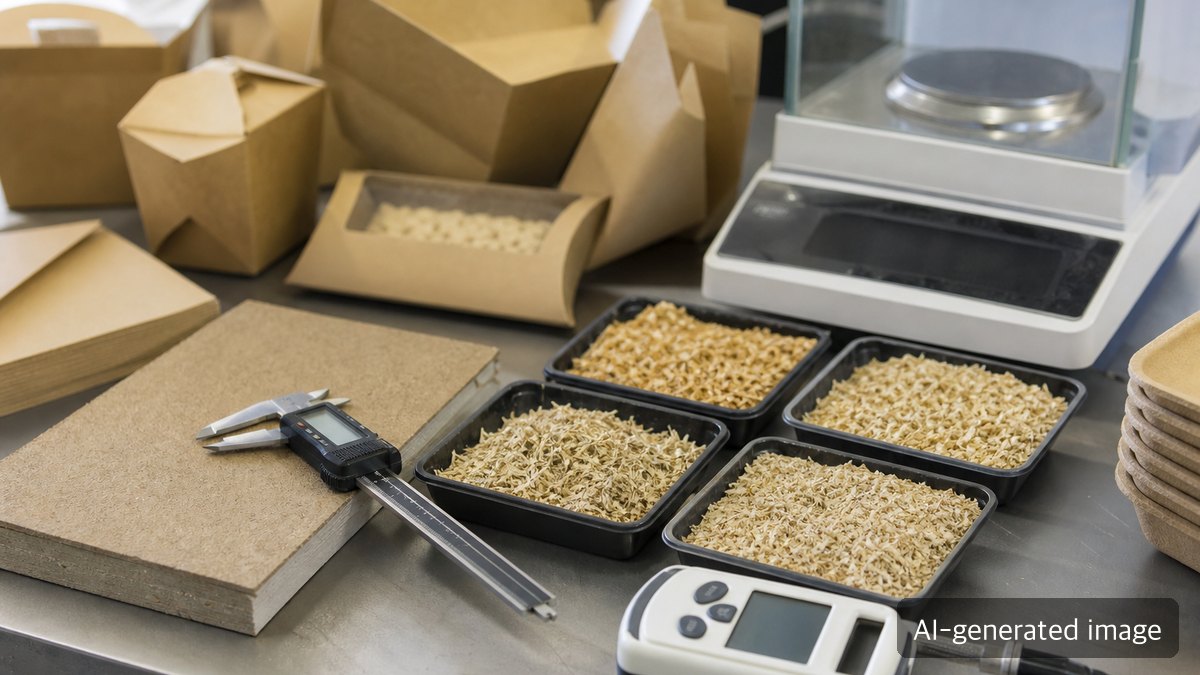
When alternative fiber is introduced, surface roughness, absorbency, dust, color, and odor can change. These differences directly affect printing and bonding performance.
A rougher surface may reduce the clarity of small text or barcode lines. Higher absorbency may increase ink spread or coating demand. Dust can create issues in laminating, gluing, or automated packaging equipment. Strong color variation may make the material unsuitable for branded packaging.
The material should be tested under the same downstream process used for the current package:
- Flexo, offset, or digital printability
- Barcode and QR-code readability
- Hot-melt, water-based adhesive, and tape bonding
- Die cutting, scoring, and crack resistance
- Feeding, friction, and dust on automated lines
- Odor, foreign matter, and food-contact suitability where relevant
For many alternative fiber projects, line qualification takes longer than the material selection itself.
4. Recyclability is not the same as looking like paper
Paper-based appearance does not guarantee that the package will recycle in the same way as standard paper packaging. Coatings, adhesives, barrier layers, inks, and contaminants can matter more than the fiber name.
To fit into a paper recycling stream, the package should be reviewed for repulpability, screening behavior, stickies, coating residues, and sorting assumptions. Molded fiber or thick cushioning parts may also be handled differently from ordinary corrugated board.
Buyers should ask suppliers:
- Can it enter the intended paper collection stream?
- Is there repulpability or recyclability test evidence?
- What coating, adhesive, or water-resistant treatment is used?
- Can recycled fiber and virgin pulp content be separated in documentation?
- Could export-market EPR or labeling rules create conflicts?
5. Evaluate total cost, not only price per kilogram
Alternative fiber can look expensive or cheap depending on the unit used. In packaging, total cost is more important than material price alone.
A lower raw-material price may not help if more grammage is required to achieve the same performance. A higher material price may still be acceptable if it reduces plastic components, simplifies cushioning, or lowers damage rates.
The cost review should include:
- Material price compared with the current specification
- Material usage required for the same protection level
- Damage rate during storage and transport
- Packaging line speed and defect rate
- Rework, complaint, and return costs
- Cost of collecting buyer-facing environmental documentation
Practical approval checklist
Before approving an alternative fiber package, summarize the following items on one internal sheet.
| Area | Question to confirm |
|---|---|
| Fiber | Can the supplier document the non-wood, recycled, and virgin pulp blend? |
| Supply | Are monthly volume, seasonal variation, and backup raw materials defined? |
| Performance | Has the material been compared using the same tests as the current spec? |
| Converting | Has printing, bonding, and automated line performance been tested? |
| Recyclability | Is there evidence for recyclability including coatings and adhesives? |
| Cost | Has total cost been reviewed beyond price per kilogram? |
| Documentation | Are test reports and environmental data available for buyer requests? |
Bottom line: judge alternative fiber by operating data
Alternative fiber packaging can help reduce virgin pulp dependence, but its success depends on supply stability, strength, moisture behavior, converting performance, recyclability, and total cost data.
A safe rollout starts with a lower-risk SKU: pilot test, compare against the current specification, secure buyer-facing documentation, and then expand to mass production.
Sustainable packaging is completed by evidence and repeatable production, not by a material claim alone.
About the Author
PackingMaster: Editor of Paper Pack Log. We collect and organize market trends, product information, and technical insights for the paper packaging industry.
References
- Södra, “Södra develops a new paper pulp – combining forest raw materials with oat hulls” — https://news.cision.com/sodra/r/sodra-develops-a-new-paper-pulp---combining-forest-raw-materials-with-oat-hulls%2Cc4345993
- Background — ResourceWise, “China Tightens Recycled Pulp Import Restrictions” — https://www.resourcewise.com/blog/china-tightens-recycled-pulp-import-restrictions-global-ripple-effects-on-paper-and-recycling-industries