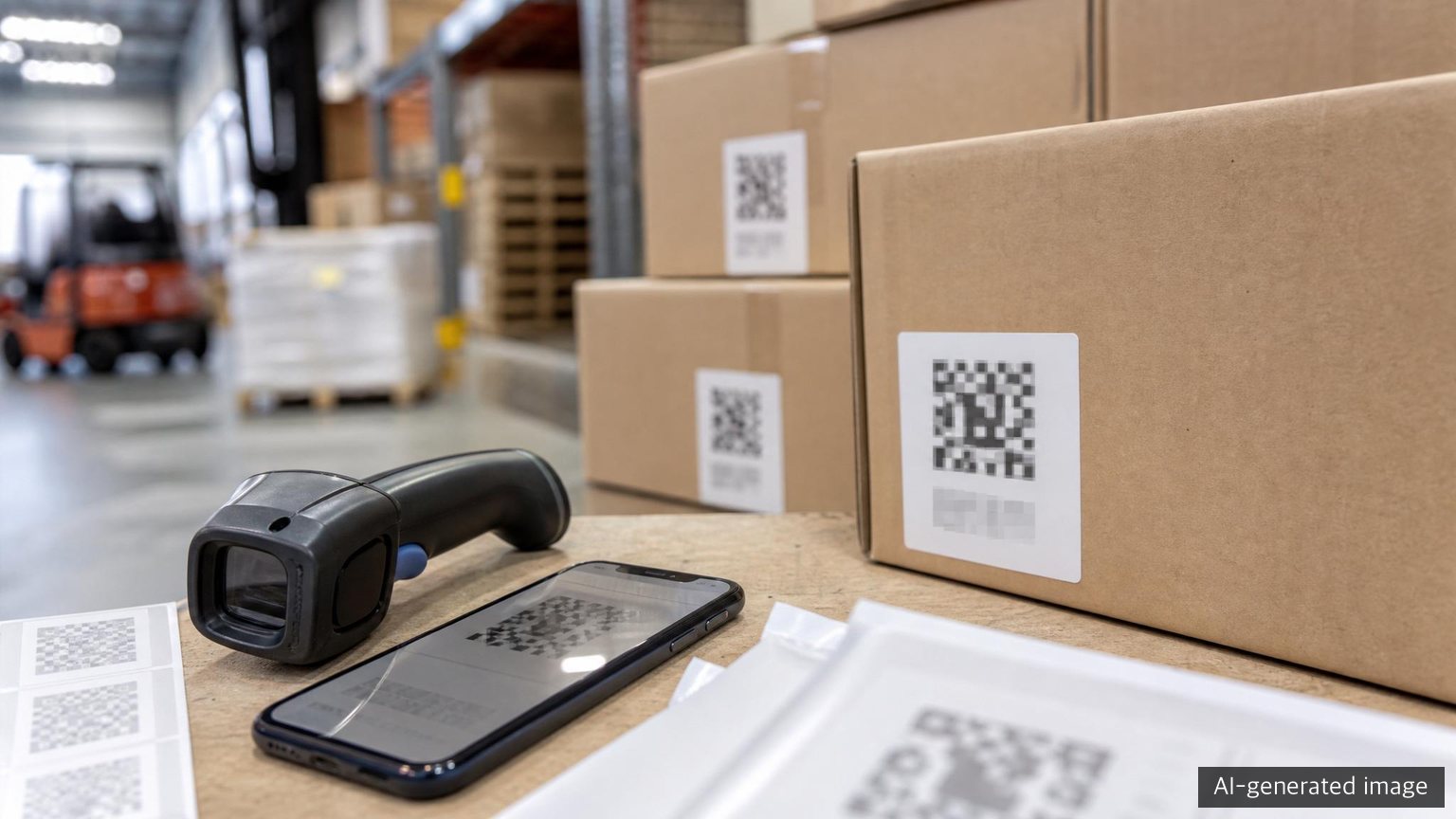
E-commerce packaging has long relied on a simple structure: put the retail product box inside another shipping box. That approach protects products, but it also increases paperboard use, void fill, shipping volume, packing labor, and customer waste. Amazon’s Ships in Product Packaging, or SIPP, is one example of how large fulfillment networks are pushing this structure in a different direction.
The idea is straightforward. Instead of adding a separate overbox, the product’s own packaging is designed and certified to travel through the parcel network. For brands, this can reduce packaging material, lower fulfillment cost, and create a simpler unboxing experience. But it does not mean that any retail box can simply be shipped as-is. Product protection, labeling, theft risk, handling damage, and customer experience must be designed together.
SIPP is a shipment-readiness issue first
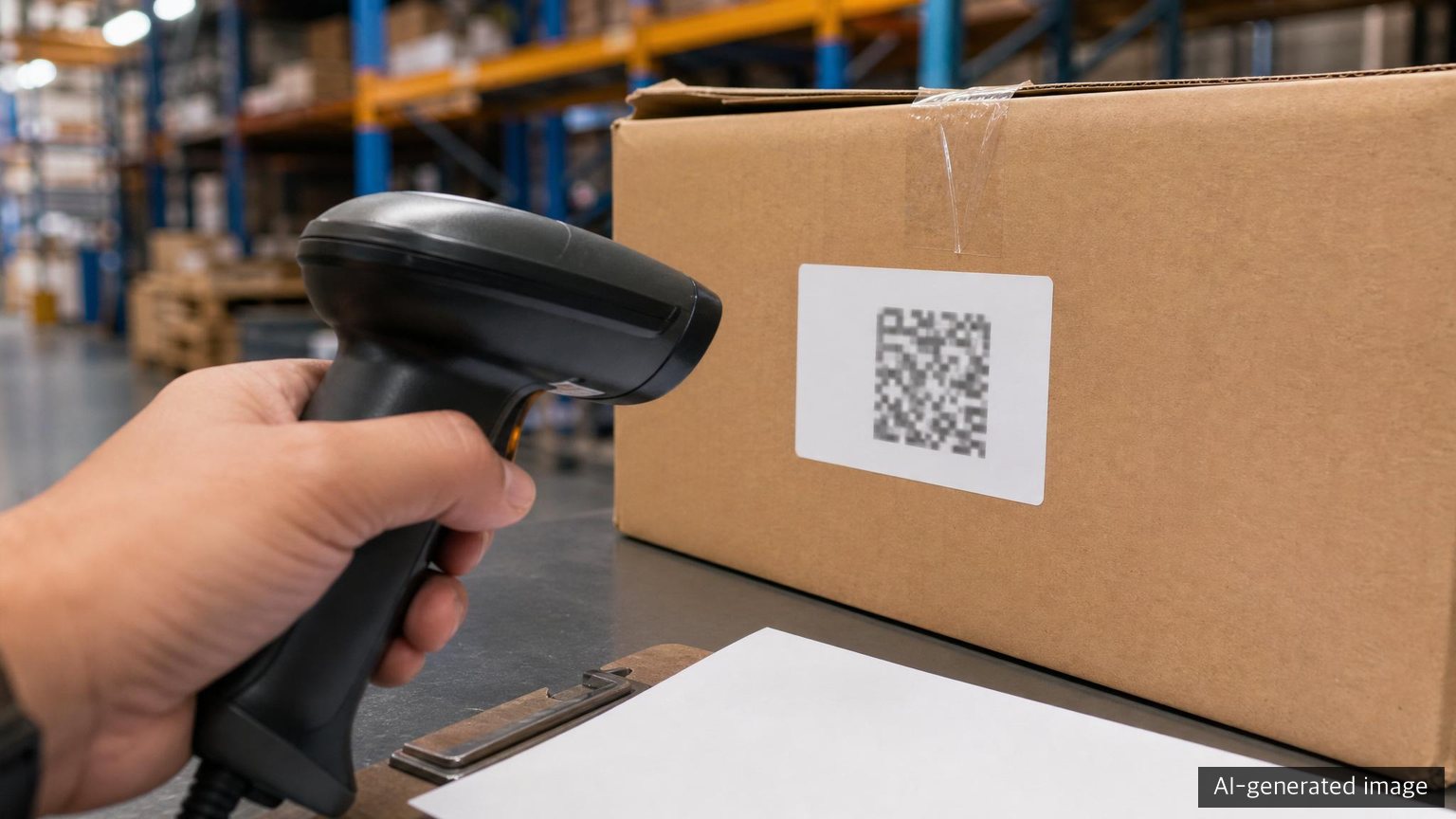
It is risky to think of SIPP only as a way to remove one outer carton. In practice, it is a question of whether the product package can survive drop, compression, vibration, sorting, labeling, and last-mile delivery without a second box.
A retail package is often designed for shelf presence and consumer appeal. A shipment-ready package must also work in distribution centers, conveyors, trucks, stacked storage, and doorstep delivery. Surface strength, edge protection, opening control, label placement, and barcode readability all become part of the packaging specification.
Before considering a SIPP-style package, ask:
- Can the product box survive parcel handling without an overbox?
- Is there a flat area for shipping labels and carrier codes?
- Is it acceptable for the product identity to be visible during delivery?
- What level of external box damage will customers tolerate?
- Will removing the overbox increase returns or replacement cost?
Brand packaging and shipping packaging become one system
In a traditional structure, brand packaging and shipping packaging have different roles. The brand pack creates the consumer experience, while the shipping pack protects it from the logistics network. In a SIPP-style structure, those two roles merge.
That change affects collaboration. Design teams cannot look only at graphics, and logistics teams cannot look only at carton dimensions. Protection, branding, shipping labels, opening experience, waste, and returns need to be reviewed as one system.
For example, a package may have strong front-panel artwork, but real shipment will add a carrier label, handling code, and warehouse scan label. If the label covers key graphics, the brand experience changes. If the package has no good label area, packing operations become slower. A shipment-ready package should be designed as it will actually leave the warehouse.
Corrugated specification should be balanced
Using SIPP does not mean using the heaviest possible board. If the package is too weak, damage will increase. If it is overbuilt, the material-saving benefit disappears. The goal is to match board grade, flute, internal support, and closure design to the product and the delivery network.
Key checks include:
- Product weight and center of gravity
- Internal fixation and movement control
- Vulnerable corners, edges, and surfaces
- Expected drop and handling conditions
- Stacking height and compression load
- Humidity, rain, or condensation exposure
- Whether the package can be reused for returns
If internal movement is not controlled, a stronger outer box may not solve the problem. A good SIPP-style design often reduces void fill by combining external strength with smarter product fixation.
Cost should be measured as total cost
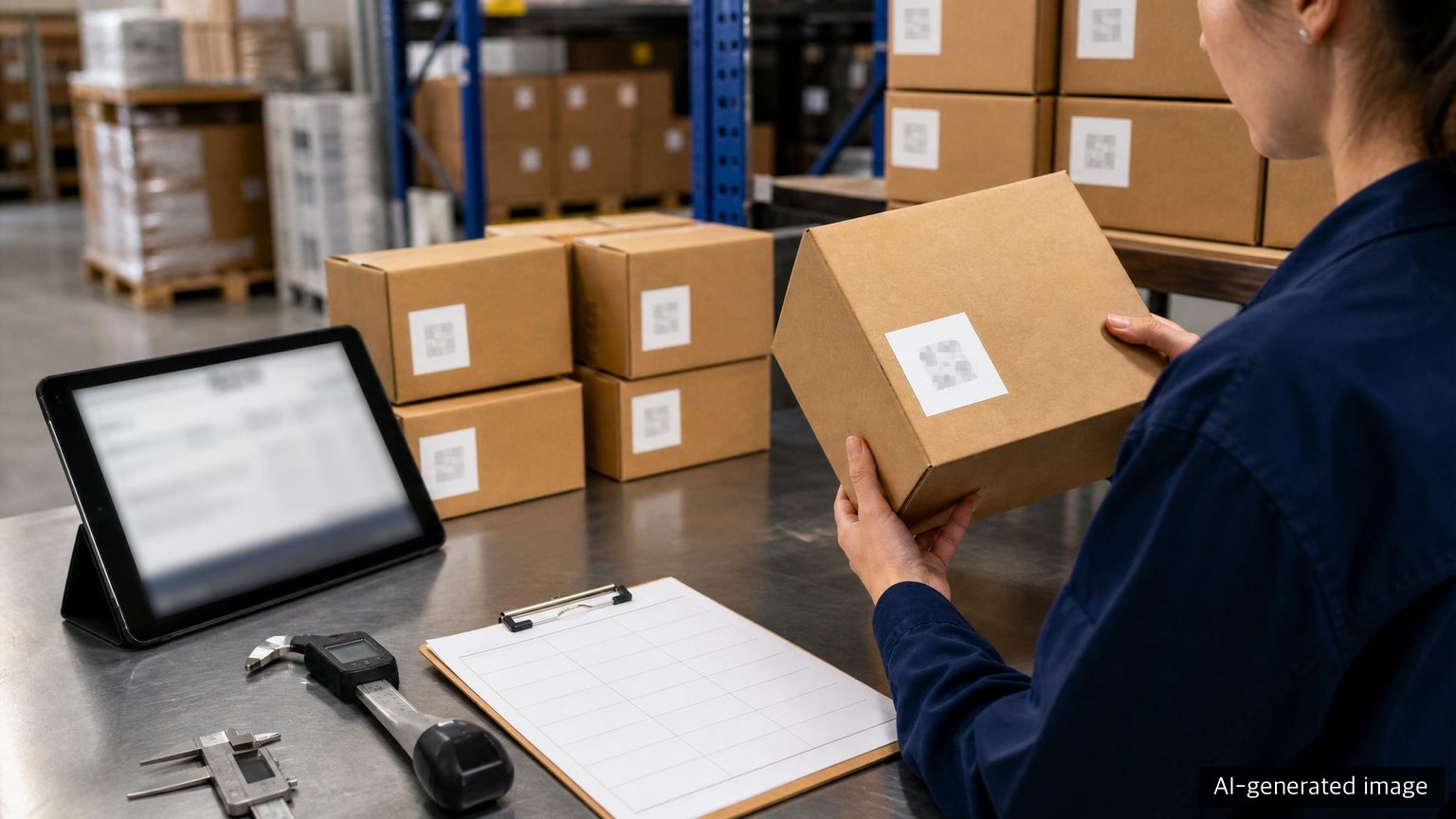
The benefit of shipment-ready packaging is not limited to one less carton. It can affect outer box use, void fill, labor time, shipping weight, dimensional volume, storage space, and waste handling. Amazon also describes SIPP participation in relation to reduced unnecessary packaging, improved sustainability, and possible fulfillment fee reductions for eligible units.
However, cost can move in both directions. Strengthening the product package may increase the unit cost of the primary package. Design validation, closure structure, printing protection, and testing may also add cost. The comparison should be made between the current system and the proposed system:
- Current retail box + shipping box + void fill + labor + damage cost
- Shipment-ready product package + validation cost + damage cost
Only this total-cost view shows whether the change is actually beneficial.
Which products are better candidates?
SIPP-style packaging is not equally suitable for every item. Products that are relatively rigid, less sensitive to cosmetic box damage, and already packed in a strong box are easier candidates. High-value electronics, gift items, products with privacy concerns, and items sensitive to moisture or shock need more caution.
Good candidates may include:
- Household goods, small appliances, or tools with clear internal support
- Items whose product box already works as a storage box
- High-volume SKUs where packing labor reduction is meaningful
- Brands that want a visible sustainability packaging message
More cautious candidates include:
- Gift products where box appearance is part of the value
- Products that should not reveal their identity during delivery
- Shock-, humidity-, or contamination-sensitive goods
- Items whose package is difficult to reuse for returns
What packaging suppliers can propose
For packaging suppliers, SIPP should not be treated as a simple carton-size change. When a customer says they want to remove the overbox, the real need is a product package that can handle the shipping network.
A useful proposal can include:
- Current packaging structure and reason for overboxing
- Expected damage points during single-package shipment
- Corrugated grade, flute, and paper combination proposal
- Internal fixation and void-fill reduction plan
- Shipping label and scan-code placement
- Tamper control and return-repacking structure
- Test or pilot-shipment plan
- Estimated material, labor, and volume reduction
This turns SIPP from a cost-cutting request into a packaging engineering project.
Conclusion
Amazon’s SIPP direction shows a broader e-commerce shift: from protecting a retail box with another box, toward designing the product package itself for fulfillment. The point is not simply to remove packaging. The point is to combine product protection, logistics handling, labels, and customer experience in one package.
E-commerce brands and exporters can use this as a practical reference. Instead of converting every SKU at once, start with repeated, structurally simple shipments where the risk can be tested. Removing one overbox may look like a small change, but it can become the starting point for a more integrated packaging and fulfillment strategy.
About the Author
PackingMaster: Editor of PaperPackLog. We organize market trends, product information, and technical insights for the paper packaging industry.
References
- Amazon Packaging, FBA Sellers - Ships in Product Packaging, https://www.amazon-packaging.com/sellers
- Amazon Buy with Prime, Ships in product packaging, https://buywithprime.amazon.com/knowledge-center/ships-in-product-packaging
- Amazon Packaging, SIPP Certification Guidelines for Vendors, https://cdn.amazon-packaging.com/dc/74/82b2413d426d903deb697674a309/final-11-3-vendor-amazon-sipp-program-certification-guidelinesmarch20261-english-2.pdf