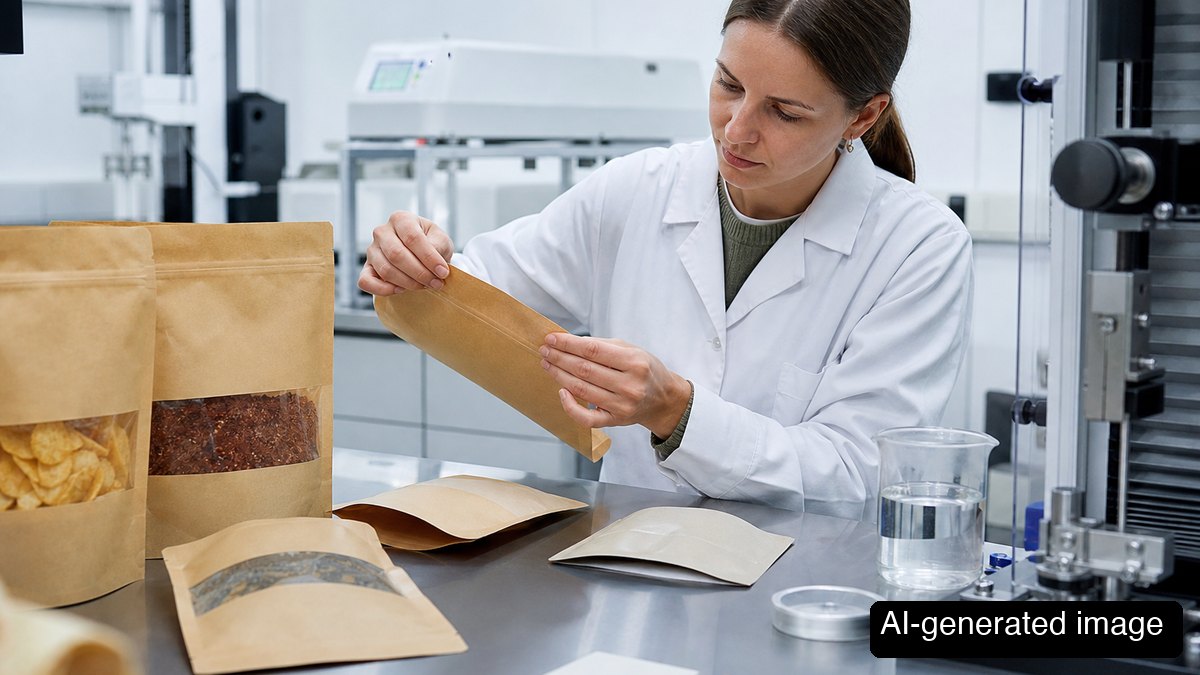
Paper packaging has traditionally been strong in cartons, bags, cushioning, labels and other relatively rigid formats. Flexible packaging for snacks, seasonings, dry foods and proteins has been dominated by plastic films because those applications require moisture, oxygen, aroma and seal performance.
Recent moves by global packaging companies show that this boundary is starting to shift. Packaging Dive’s report on Amcor’s global flexibles business also highlights examples of Amcor’s AmFiber flexible packaging. The practical question is not whether the package looks like paper, but whether it can perform in areas where film has been the default.
Paper flexibles must be judged as functional packaging
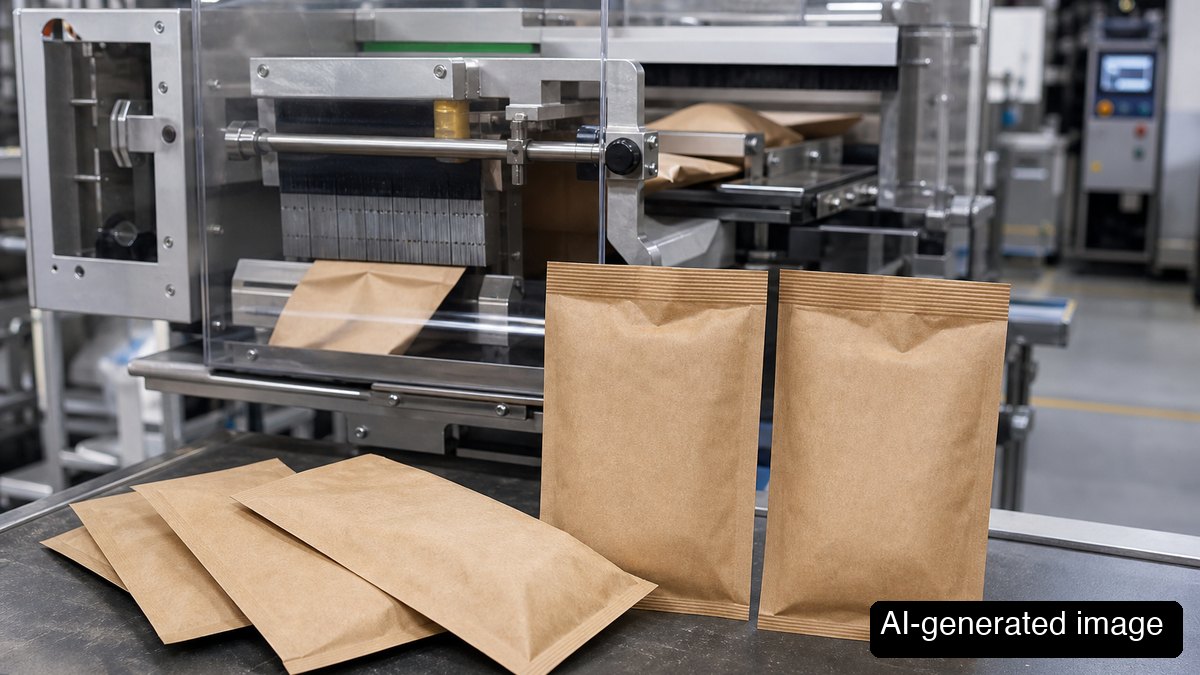
A paper-based flexible package needs to be evaluated against the job it replaces:
- moisture barrier performance;
- oxygen barrier performance;
- aroma retention for spices, snacks and dry foods;
- seal strength and pinhole resistance;
- crease durability;
- print quality and shelf appearance;
- actual recycling instructions in the target market.
The word “paper” is not enough. The structure may still include coatings or barrier layers, and those layers determine both performance and recyclability.
A practical route for food packaging teams
For many food brands, the realistic route is not an immediate full conversion. It is a staged test:
- start with dry products that have moderate barrier needs;
- compare shelf life and failure modes with the existing film;
- test seal integrity on current filling and wrapping equipment;
- separate domestic recycling claims from export-market claims;
- confirm roll width, minimum order quantity and machine speed changes.
Dry snacks, powders, seasoning sachets, tea pouches and sample packs may be early candidates. Liquid, oily, frozen or long-shelf-life applications require a much stricter data package.
Line compatibility can become the bottleneck
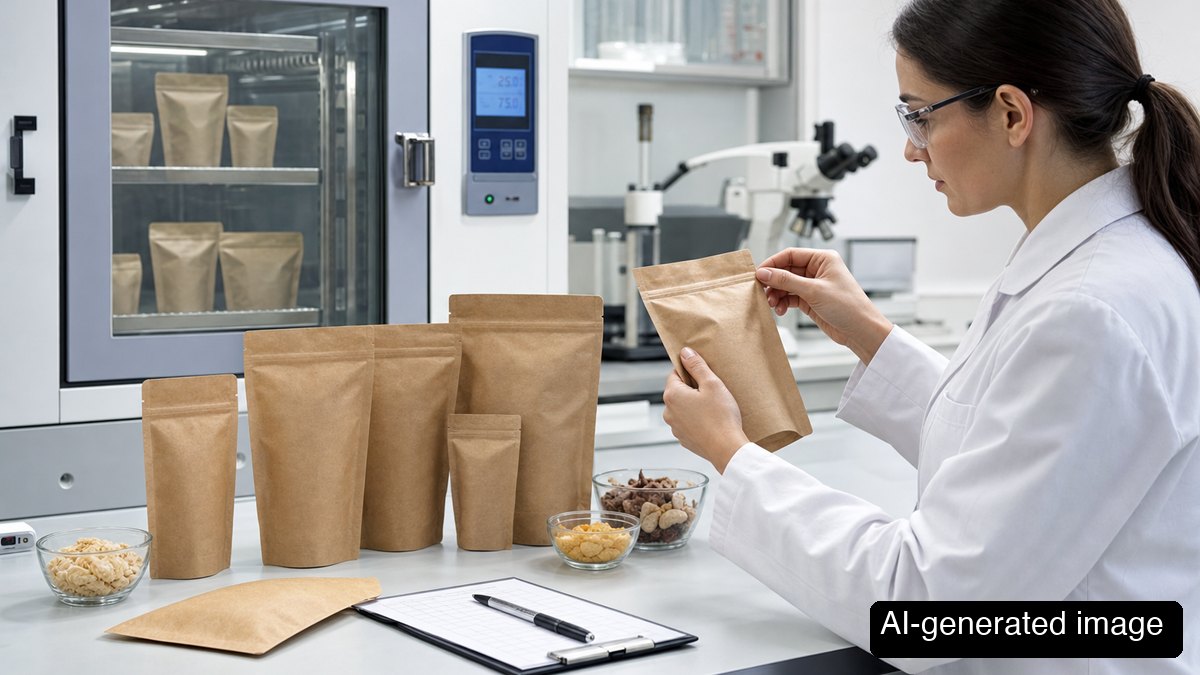
Paper-based flexibles may react differently from plastic films during forming, sealing, cutting and feeding. Creasing, edge fibers, seal lift, print scuffing and speed reductions can appear during trials even when the material sheet looks promising.
A good supplier proposal should therefore include test conditions, recommended machine settings, seal method, barrier data and recycling guidance. Without that information, a paper flexible can become a marketing claim rather than a reliable packaging specification.
Closing thought
Amcor’s AmFiber examples indicate that paper packaging is moving further into flexible packaging territory. The opportunity is real, but it should be handled as an engineering decision. The winning paper flexible will be the one that proves how it replaces film functions with measurable data.
About the Author
PackingMaster: Editor of Paper Pack Log. We track paper packaging market trends, product information and technical insights for packaging professionals.
References
- Background — Packaging Dive, “Amcor taps Avery Dennison exec to lead global flexibles”, https://www.packagingdive.com/news/amcor-flexibles-division-ryan-yost/822913/
- Amcor — High-Barrier Performance Paper Packaging Launches in North America
- FlexPackVoice — AmFiber High-Barrier Performance Paper for Flow Wraps