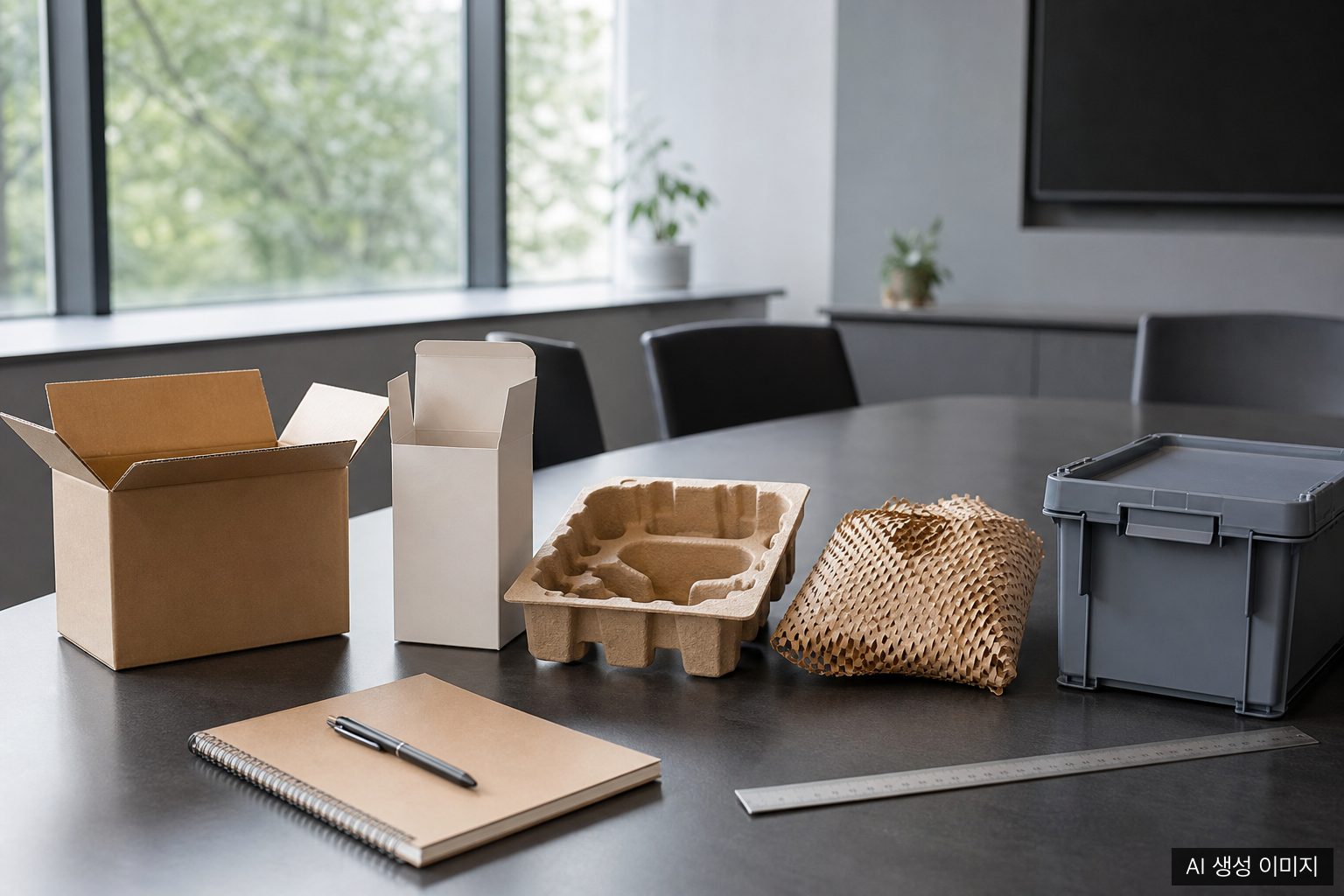
The most common mistake in choosing B2B packaging materials is comparing unit price first. Unit price matters, but packaging selection does not end there. You also need to consider product damage rates, minimum order quantity, lead time, storage space, compatibility with automated packing equipment, and customers’ sustainability requirements.
In 2026, stronger packaging regulations and sustainability expectations are changing the questions buyers ask. Instead of starting with “What is the cheapest box?” teams should first ask, “What packaging structure is most stable for our product and supply chain?”
This guide compares corrugated board, paperboard, molded pulp, paper cushioning, and reusable packaging from a practical B2B purchasing perspective.
Five Criteria to Define First
Before comparing materials, define the product requirements. If you choose candidate materials first, you may have to start over later when the conditions do not fit.
- Product protection: Which risks must be prevented: impact, compression, moisture, or scratches?
- Distribution route: Will it be used for parcel delivery, pallet transport, export containers, or retail display?
- Order scale: What is monthly usage and order quantity per purchase?
- Brand requirements: Are print quality, unboxing experience, or sustainability claims important?
- Disposal method: Can customers easily separate, recycle, or return the packaging?
Writing down these five items first makes material comparison much easier.
1. Corrugated Packaging
Corrugated board is the most widely used base material in B2B packaging. It is used for parcel boxes, shipping boxes, export boxes, dividers, and cushioning structures.
Advantages
- Wide range of standard specifications.
- Competitive unit cost in mass production.
- Easy to print, cut, glue, and design into dividers.
- Relatively well-established recycling systems.
- Good balance between product protection and logistics efficiency.
Points to Watch
Corrugated board is vulnerable to moisture and has limits under excessive compression or long-term stacking. Prices and lead times can also fluctuate with paper price and board supply. For export use, check pallet stacking, container loading, and compression strength during long-distance transport.
Suitable Uses
- E-commerce parcel boxes
- Industrial goods shipping boxes
- Outer packaging for export
- High-volume standard packaging
- Internal box dividers and separated packaging
2. Paperboard Packaging
Paperboard is widely used for folding cartons, sleeves, package covers, and product protection sheets. It is thinner than corrugated board and offers better print expression, making it useful for branded packaging.
Advantages
- Strong print quality and surface expression.
- Foldable structures reduce storage space.
- Suitable for small products and consumer goods.
- Many finishing options, including coating, laminating, foil stamping, and embossing.
Points to Watch
Paperboard has lower shock absorption and compression strength than thicker corrugated board. Heavy products or standalone parcel packaging may require internal cushioning or an outer shipping box. As coating and laminating increase, recyclability should be checked separately.
Suitable Uses
- Folding cartons for cosmetics, food, and household goods
- Consumer packaging that needs product explanations
- Sleeves for retail display
- Thin protective sheets and separators

3. Molded Pulp and Paper Cushioning
Molded pulp is cushioning material formed from pulp. It is used for electronics, household goods, food trays, and glass-bottle protection. Paper cushioning, such as kraft paper, honeycomb paper, and zigzag void fill, is used to fill empty space or protect product surfaces.
Advantages
- Strong replacement potential for plastic cushioning.
- Good fixation and cushioning when designed around the product shape.
- Paper-based structure makes sustainability messages easier to communicate.
- Consumers can understand recycling and separation more easily.
Points to Watch
Molded pulp can involve mold costs and high MOQs. If product shapes change often, recovering the mold investment is difficult. Paper cushioning consumption can vary depending on packing speed and operator skill, so a standard work method is needed.
Suitable Uses
- Repeatedly produced electronics and household goods
- Glass bottles, ceramics, and fragile products
- Branded packaging where an eco-friendly image matters
- Export packaging that must reduce plastic cushioning
4. Eco-Friendly Coated Paper and Specialty Paper Materials
For food packaging or moisture-sensitive packaging, ordinary paper may not be enough. In these cases, consider specialty paper materials such as water-based coated paper, barrier-coated paper, grease-resistant paper, and water-resistant paper.
Advantages
- Can reduce plastic film usage.
- May be applicable to food, household goods, and moisture-sensitive products.
- Works well with a brand’s sustainability message.
Points to Watch
Do not choose a material simply because it is described as eco-friendly. Check how the coating layer behaves in recycling, whether food-contact suitability data is available, and whether heat sealing and printability fit existing equipment. Costs may also be higher than ordinary paper.
5. Reusable Packaging
Reusable packaging includes returnable plastic boxes, circular delivery bags, and multi-use cushioning. It is more effective in repeated B2B logistics or closed-loop supply chains than in one-off parcel delivery.
Advantages
- Can reduce packaging waste through repeated use.
- May lower long-term cost when the return rate is high.
- Suitable for deliveries between fixed customers, internal logistics, and parts circulation.
Points to Watch
Without a return system, cost and management burden can increase. Loss rate, cleaning, storage, and reverse logistics costs must be calculated. Environmental benefits are meaningful only when the number of uses is high enough.
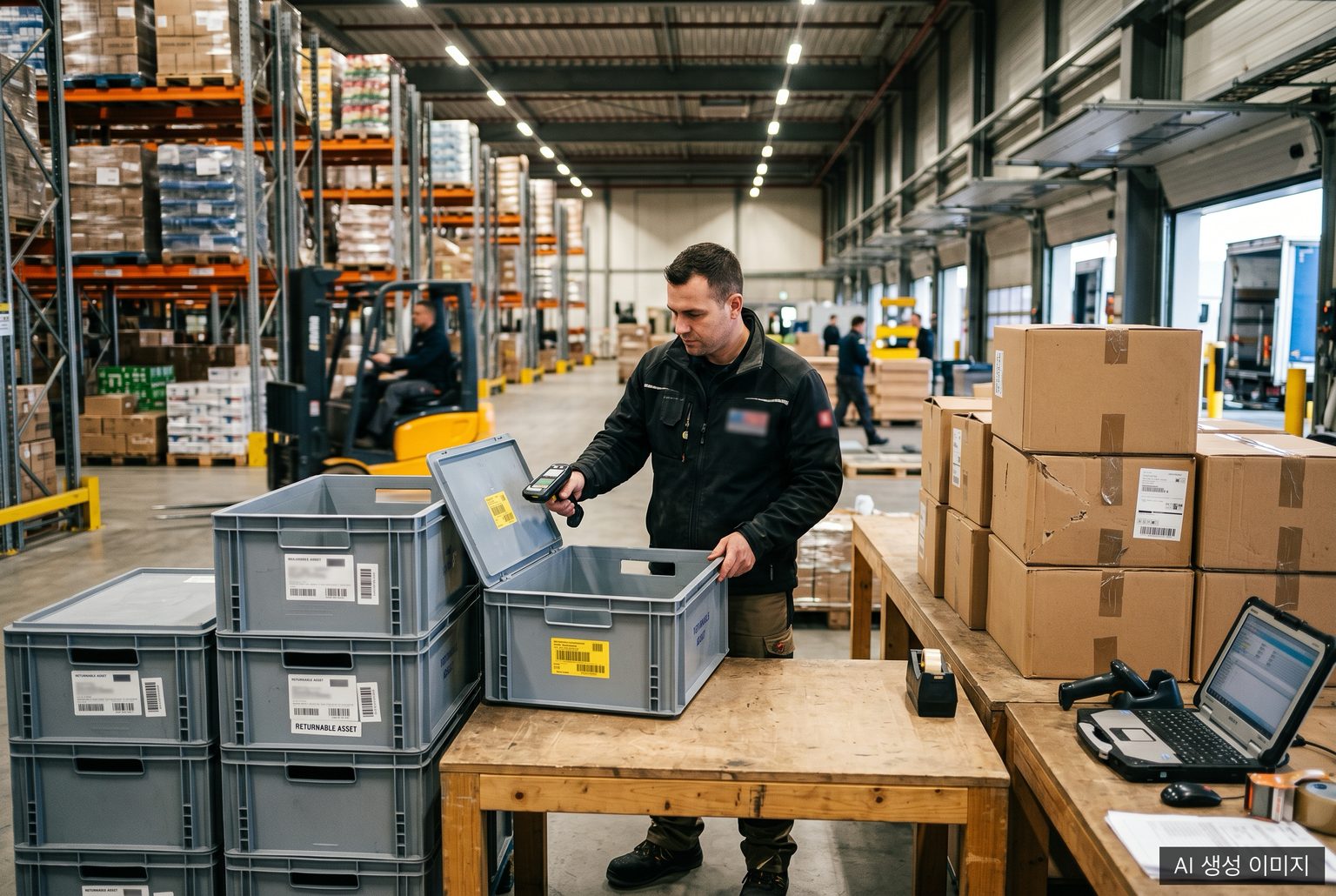
Material Comparison by Purchasing Criteria
- Initial unit cost: Corrugated is low to medium; paperboard is medium; molded pulp and specialty paper are medium to high; reusable packaging is high.
- MOQ burden: Corrugated is low; paperboard and specialty paper are medium; molded pulp is high; reusable packaging is medium.
- Product protection: Corrugated is medium to high; paperboard is low to medium; molded pulp is high; specialty paper varies by application; reusable packaging is high.
- Print expression: Corrugated is medium; paperboard is high; molded pulp is low; specialty paper is medium; reusable packaging is low.
- Recyclability: Corrugated and molded pulp are generally good; paperboard and specialty paper require coating checks; reusable packaging depends on return rate.
- Lead-time stability: Corrugated and paperboard depend on base paper and finishing; molded pulp depends on molds and forming schedule; specialty paper depends on material supply; reusable packaging depends on return operations.
- Recommended uses: Corrugated for transport and parcel delivery; paperboard for cartons and display; molded pulp for cushioning and fixation; specialty paper for food and barrier needs; reusable packaging for repeated logistics.
Why MOQ and Mold Costs Must Be Reviewed Separately
In B2B packaging, MOQ and initial costs often move the real cost more than the unit price does.
For example, molded pulp trays may have a reasonable unit price, but mold and testing costs occur first. Paperboard folding cartons may require printing plate costs, die-line costs, and finishing setup fees. Small-lot custom corrugated boxes also become more expensive, and additional print colors add cost.
Include the following items in quotation comparisons:
- Unit price per piece
- Minimum order quantity
- Mold, die-line, and plate costs
- Sample production cost
- Lead time
- Storage space
- Disposal or return cost
- Expected reduction in damage rate
Packaging Material Selection Sequence
In practice, it is safer to decide in the following order.
- Define the product damage risks first.
- Check distribution routes and storage conditions.
- Compare monthly usage with MOQ.
- Sample-test two or three candidate materials.
- Test under actual parcel, stacking, drop, and humidity conditions.
- Compare unit cost, mold cost, lead time, and inventory space together.
- Check customer sustainability requirements and recycling instructions.
- Prepare both a standard specification and an alternative specification.
Conclusion: Good Packaging Fits the Product, Logistics, and Purchasing Conditions
There is no single correct answer in B2B packaging material selection. Corrugated board is strong for transport and parcels, while paperboard is good for brand expression. Molded pulp and paper cushioning help replace plastic cushioning, and specialty paper materials have roles in food and barrier applications. Reusable packaging is effective when a return system exists.
The best choice is not the material with the lowest unit cost. It is the material that fits product protection, MOQ, lead time, recyclability, and operating method together. Buyers should compare the entire packaging system, not just material names.
Frequently Asked Questions
Q. What should I check first when choosing B2B packaging materials?
A. Product protection requirements. Decide whether you need to prevent breakage, moisture, compression, or scratches before narrowing material candidates.
Q. Are eco-friendly packaging materials always more expensive?
A. Initial unit cost may be higher, but total cost can change when disposal cost, brand requirements, export regulation readiness, and damage-rate improvement are included. Judging by unit price alone is risky.
Q. When is molded pulp suitable?
A. It is suitable when the same product is produced repeatedly, the product shape is stable, and plastic cushioning must be reduced. Mold cost and MOQ must still be checked.
Q. When should reusable packaging be considered?
A. Consider it when delivery routes repeat with the same customers and the return rate can be managed. For one-off parcel delivery or unspecified consumer shipping, management costs can become high.
About the Author
PackingMaster: Editor of PaperPackLog. Covers market trends, product insights, and technology in the paper packaging industry.