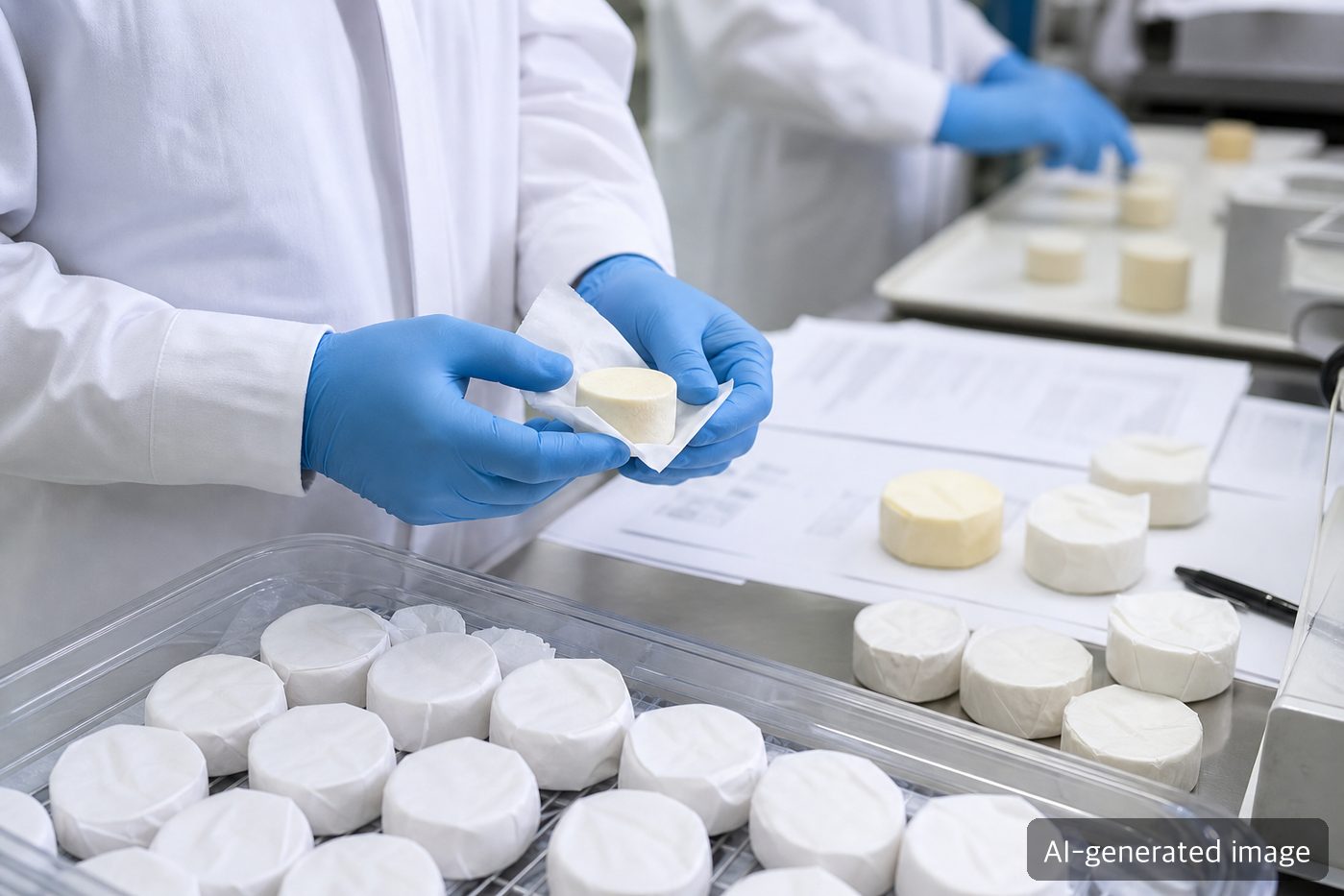
News that Babybel is moving part of its iconic packaging toward paper-based formats is an interesting signal for the food-packaging market. But the lesson is not simply that plastic can be replaced by paper. Small food packaging is a high-pressure category: the pack is close to the product, highly visible to consumers, and tied directly to food safety and brand experience.
For chilled cheese snacks, packaging has to manage freshness, moisture, oxygen exposure, microbial safety, opening behavior, smell, and hand feel. Paper conversion is therefore not only a material question. It is a validation sequence.

Why Small Food Packaging Is Difficult
In industrial transport packaging, an outer box or cushioning material often does not touch the product. Small food packaging is different. It is the final barrier between the food and the consumer. It has to protect the product through chilled distribution, display, handling, opening, and consumption.
Small packs also have very little margin for error. Label space is limited, regulatory information is dense, and consumers notice inconvenience immediately. Before asking whether a package looks more recyclable, brands need to ask whether it protects the product as well as the current structure.
Five Checks Before Converting to Paper
A small food-packaging conversion should be reviewed in a practical order.
| Validation Area | Question to Answer |
|---|---|
| Freshness | Does the pack control oxygen, moisture, aroma loss, and shelf life? |
| Microbial safety | Does risk increase under chilled distribution and consumer handling? |
| Durability | Does the pack resist tearing, crushing, and contamination? |
| Opening experience | Can adults and children open it cleanly without damaging the food? |
| Scale-up | Does it fold, seal, and align reliably on high-speed equipment? |
If these checks fail, the sustainability message may be attractive but the pack will be hard to commercialize. Chilled foods add another challenge because condensation and temperature variation can affect paper surfaces and barrier layers.
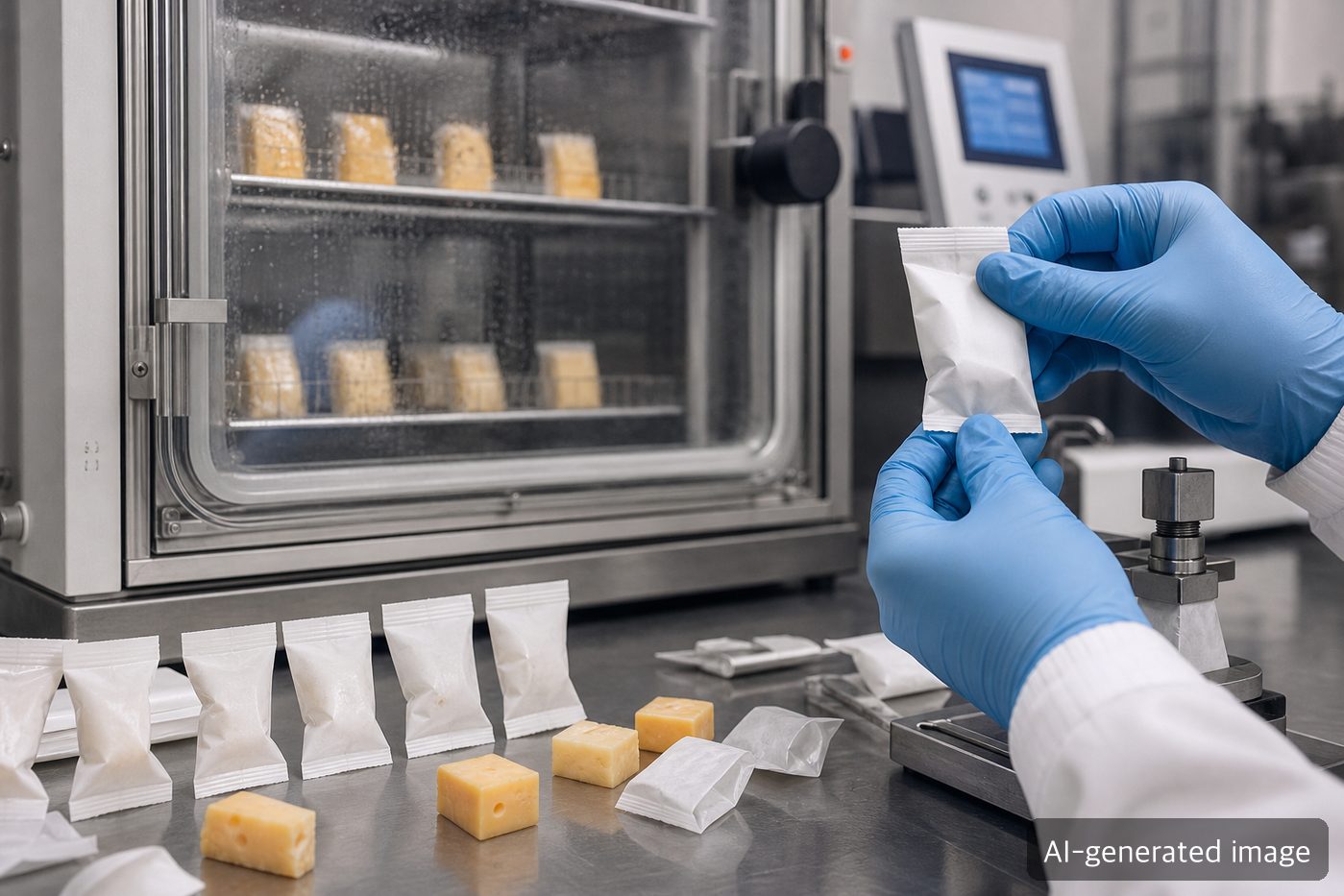
Brand Experience Is Part of the Specification
For a mass-market snack, the package itself is part of the brand. Consumers remember the shape, the opening ritual, the tactile feel, and whether the product is easy for a child to handle. A paper conversion is therefore a consumer-experience change as well as a material change.
Internal quality tests are necessary, but they are not enough. Brands should also test real use: opening the pack immediately after refrigeration, handling it with wet hands, checking whether children can open it without frustration, and confirming that packaging fragments do not contaminate the food.
Lessons for Food-Packaging Suppliers
The demand for paper-based food packaging will continue to grow. But not every small pack should be converted at once. Suppliers should segment the opportunity.
First, secondary packaging can often move earlier. Cartons, sleeves, bands, tray covers, and multipack structures have lower direct food-contact risk and can be easier to validate.
Second, direct-contact packaging requires barrier and food-contact evidence first. Even a paper-based structure may include coatings, functional layers, adhesives, or heat-seal layers. Recyclability and food safety have to be evaluated together.
Third, the material has to run on production equipment. Friction, static, seal temperature, folding memory, and print stability can all change when the substrate changes.
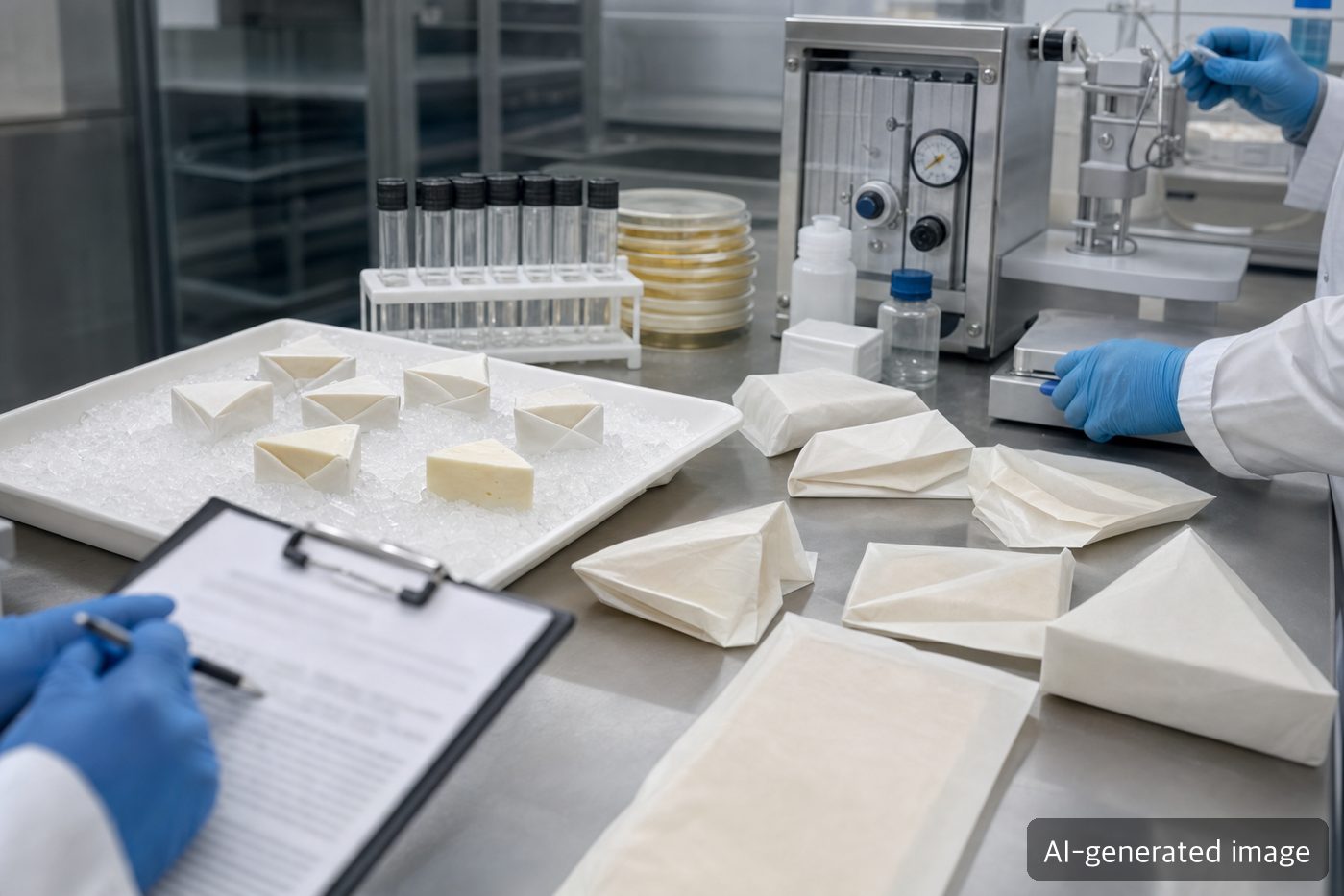
Be Careful With the Phrase “Paper Packaging”
In small food packaging, a paper-based pack may not be a single-material paper structure. Moisture and oxygen protection can require coatings or functional layers, and sealing can require adhesives or heat-seal layers. Any consumer-facing paper claim should therefore be supported by recycling guidance, disposal instructions, and food-contact evidence.
For B2B supply, the documentation needs to be more specific: material composition, food-contact suitability, barrier performance, shelf-life impact, chilled and ambient testing, and packaging-line results should be treated as one evidence package.
Conclusion
Babybel’s paper packaging move is a sign that paper-based conversion is possible in small food packaging. It also shows how much validation is required. In food packaging, sustainability messages matter, but freshness, safety, durability, opening experience, and production reliability come first.
Suppliers should not only say, “This can be changed to paper.” They need to prove, “This can be changed safely under these conditions.” That is the real competitive edge in small food-packaging conversion.
About the Author
PackingMaster writes practical guides on paper packaging, export packaging, and packaging regulation from an operations perspective. The focus is on checklists and specification language that packaging teams can use in real projects.
References
- Good Housekeeping, “Babybel Cheese Is Getting New Packaging in 2026”
https://www.goodhousekeeping.com/food-products/a70097841/babybel-cheese-new-packaging-2026/ - People, “Babybel Announces Major Change to Its Iconic Packaging”