
The United States has revised the list of Canadian goods subject to an additional 50% duty under Section 338. The White House proclamation signed October 23, 2026 places removals in Annex I, Part A, and additions in Part B. The change applies to goods entered for consumption or withdrawn from warehouse for consumption at or after 12:01 a.m. Eastern time on October 30. On October 25 it is not yet accurate to say the revised list has already taken effect.
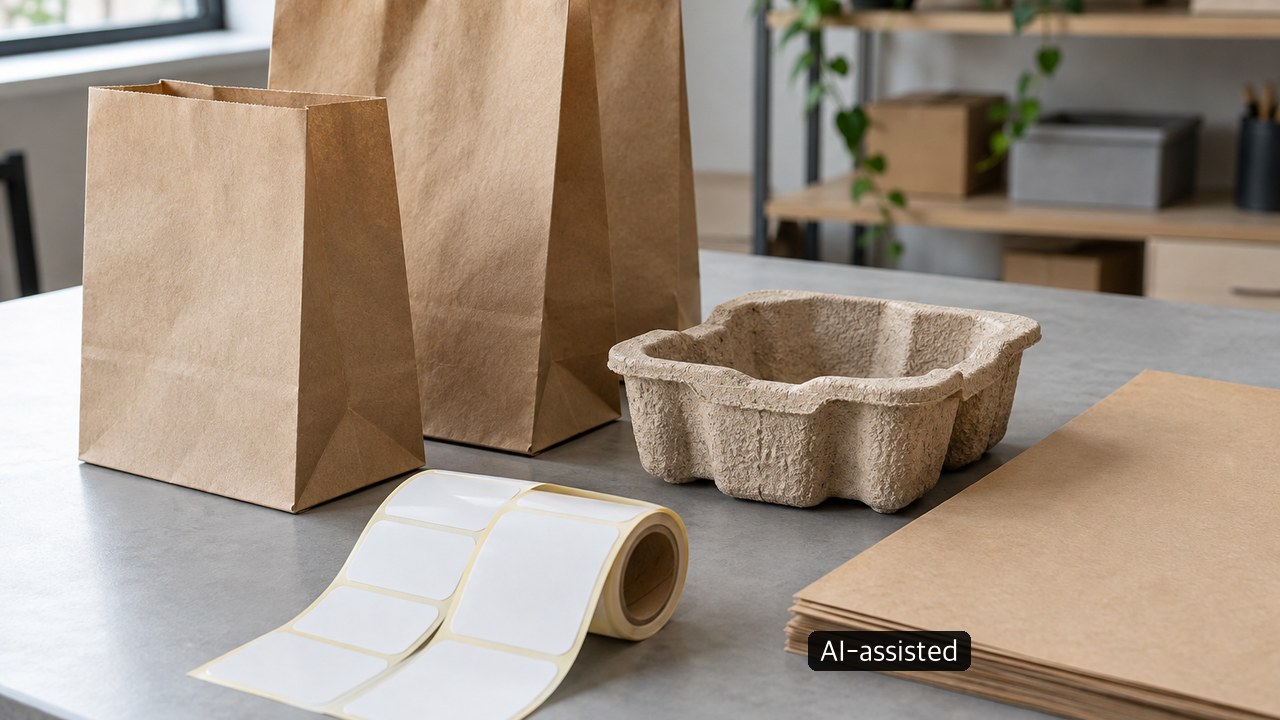
Paper packaging moves in both directions
These examples come from the official Annex I PDF. Descriptions aid identification but HTSUS provisions and customs determinations control scope.
| Annex I | HTSUS | Description in the annex | Section 338 additional-duty change from October 30 |
|---|---|---|---|
| Part A: removed | 4819.10.00 | Cartons, boxes and cases of corrugated paper or paperboard | Removed from this additional 50% duty |
| Part A: removed | 4819.40.00 | Other paper and paperboard sacks and bags | Removed from this additional 50% duty |
| Part A: removed | 4823.70.00 | Molded or pressed articles of paper pulp | Removed from this additional 50% duty |
| Part B: added | 4804.31.60 | Specified uncoated, unbleached kraft paper | Added to this additional 50% duty |
| Part B: added | 4819.30.00 | Paper sacks and bags with a base width of 40 cm or more | Added to this additional 50% duty |
| Part B: added | 4821.90.20 | Certain unprinted pressure-sensitive paper or paperboard labels | Added to this additional 50% duty |
Part A also lists certain plastic-coated paper and paperboard codes such as 4811.51.20 and 4811.51.40. Part B includes certain composite paperboard under 4807.00.94. This does not mean every carton, kraft grade or label is exempt or newly taxed. In particular, 4819.40.00 and 4819.30.00 can both be described as paper bags, but their classifications and dimensions differ.
What changed since the July announcement?
Our July origin, HS and Incoterms checklist covered the original announcement and general evidence needed by importers. This update isolates October’s code-level substitutions and new effective time. Do not rely on a broad July product description to decide the Section 338 status of a shipment entered after October 30.
The proclamation says applicable Section 338 duties are in addition to duties under Section 232. The White House fact sheet says USMCA qualification does not automatically remove a covered good from Section 338. Conversely, removal in Part A does not eliminate every other tariff.
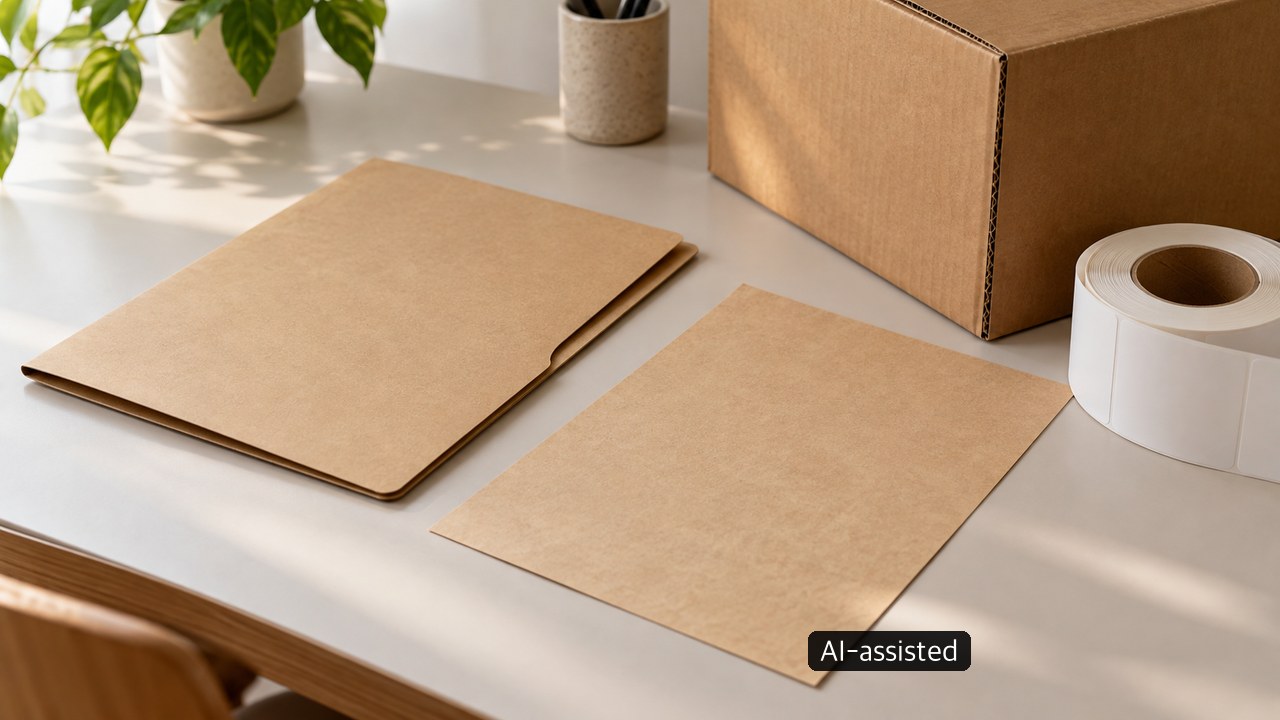
Check before pricing or placing orders
- Confirm the actual U.S. entry HTSUS provision and proof of Canadian origin, not just a supplier’s product label.
- Match the provision to Part A or Part B of Annex I. These examples are not binding classification rulings.
- Check the entry or warehouse withdrawal for consumption against 12:01 a.m. Eastern time, October 30, rather than only the shipping date.
- Ask the customs broker about Section 232 or other applicable duties, importer liability, CBP implementation guidance and any later technical correction.
- Do not quote either “exempt” or “50% confirmed” for an unclassified material.
Stop condition: without the exact HTSUS provision, origin, entry timing and interaction with other duties, a transaction’s final rate remains undetermined. This article is an orientation to the proclamation and annex, not customs or legal advice.
About the Author
PackingMaster separates official policy text from operational interpretation for the paper-packaging industry.
References
- The White House, October 23, 2026 proclamation amending the Section 338 list (effective time and cumulative duties)
- The White House, Annex I PDF (Part A and Part B HTSUS lists)
- The White House, October 23 fact sheet (summary and USMCA treatment)