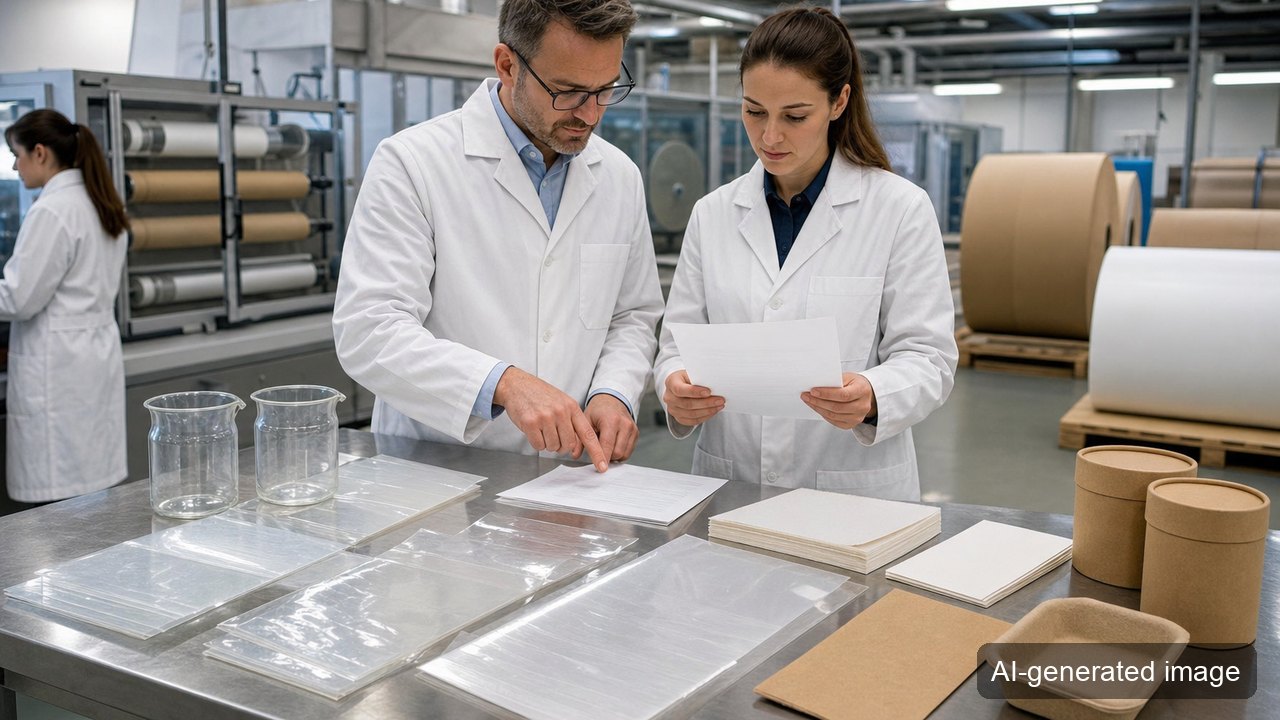
The hardest part of replacing plastic in paper packaging is not the box. It is the thin film or barrier layer that keeps moisture, oxygen, grease and aroma under control. Cartons and cushioning can often move toward paper more easily, but transparent films and coated layers have remained dependent on plastics.
That is why the F3 project by VTT Technical Research Centre of Finland and LUT University is notable. The project treats cellulose not only as a fibre, but as a polymer-like material platform for transparent films and functional coatings.
The 5% plastic threshold is more than a slogan
European packaging rules are making plastic content in fibre-based packaging more important. If a paper pack relies on heavy plastic coating or lamination, it may look like paper but behave like a composite in recycling. References to plastic content below 5 wt% show the direction of travel.
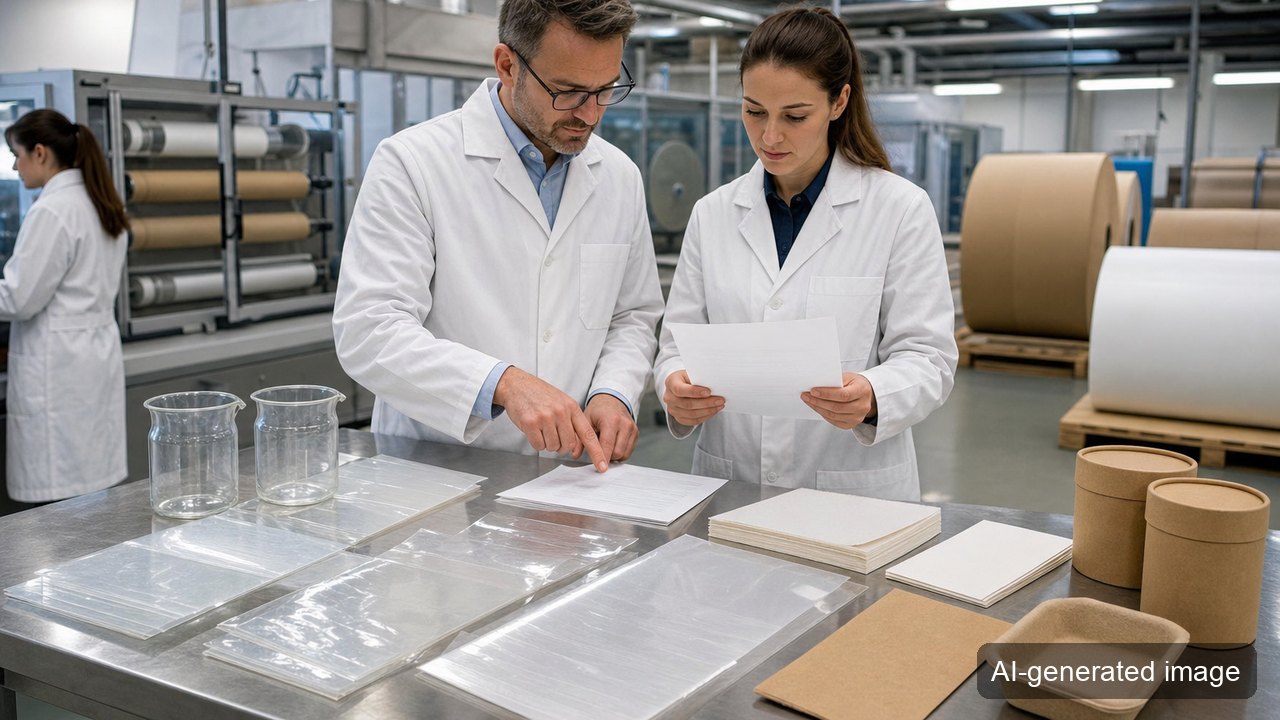
For packaging teams, the number must be supported by evidence:
- the actual share of plastic or non-fibre material;
- how the coating behaves in paper recycling;
- whether barrier performance remains sufficient;
- what documents can be shown to buyers or regulators.
A low-plastic claim is not enough. It needs a material composition sheet, test data and recyclability assessment.
Cellulose film must still perform like packaging
Cellulose-based film can be transparent and film-like, but the package still has to protect the product. Practical evaluation should include oxygen and moisture barrier data, grease resistance, seal strength, crease durability, printability and food-contact compliance.
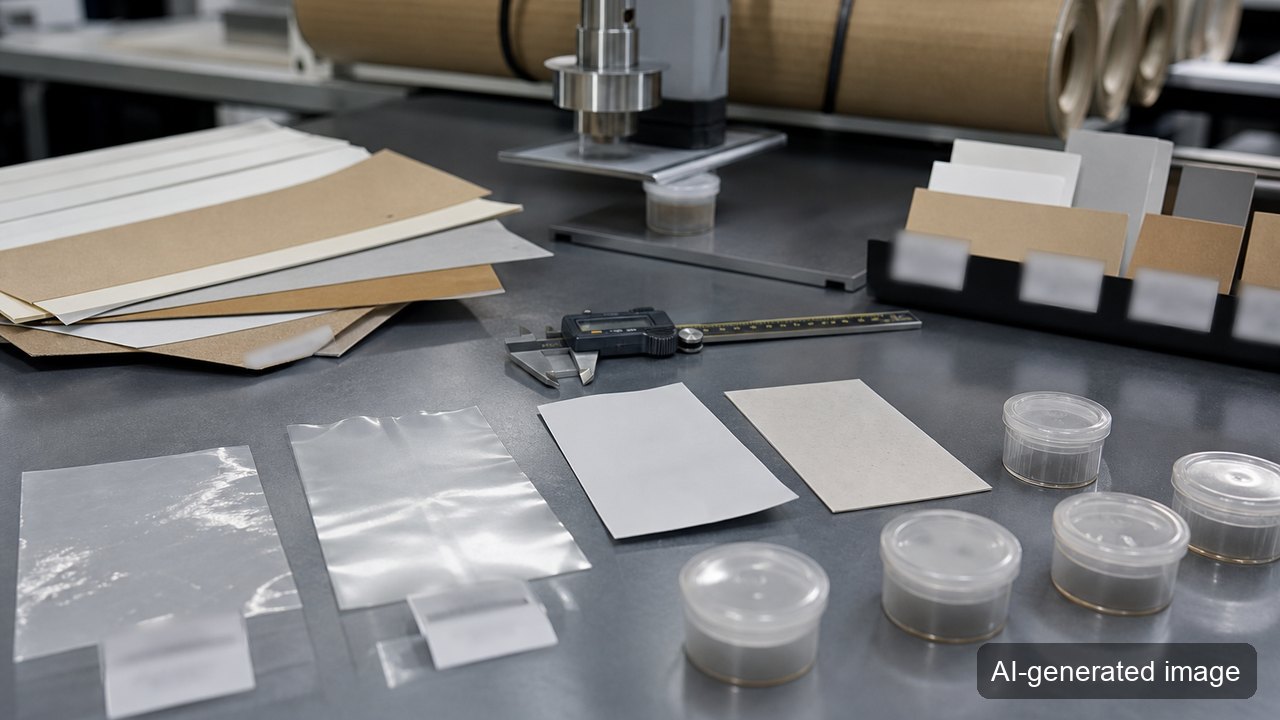
The early applications are likely to be dry products, short shelf-life uses, secondary packaging or partial replacement of a barrier layer. Liquid, oily, frozen or long-shelf-life products require a much stricter validation package.
The commercial gate is machinery and cost
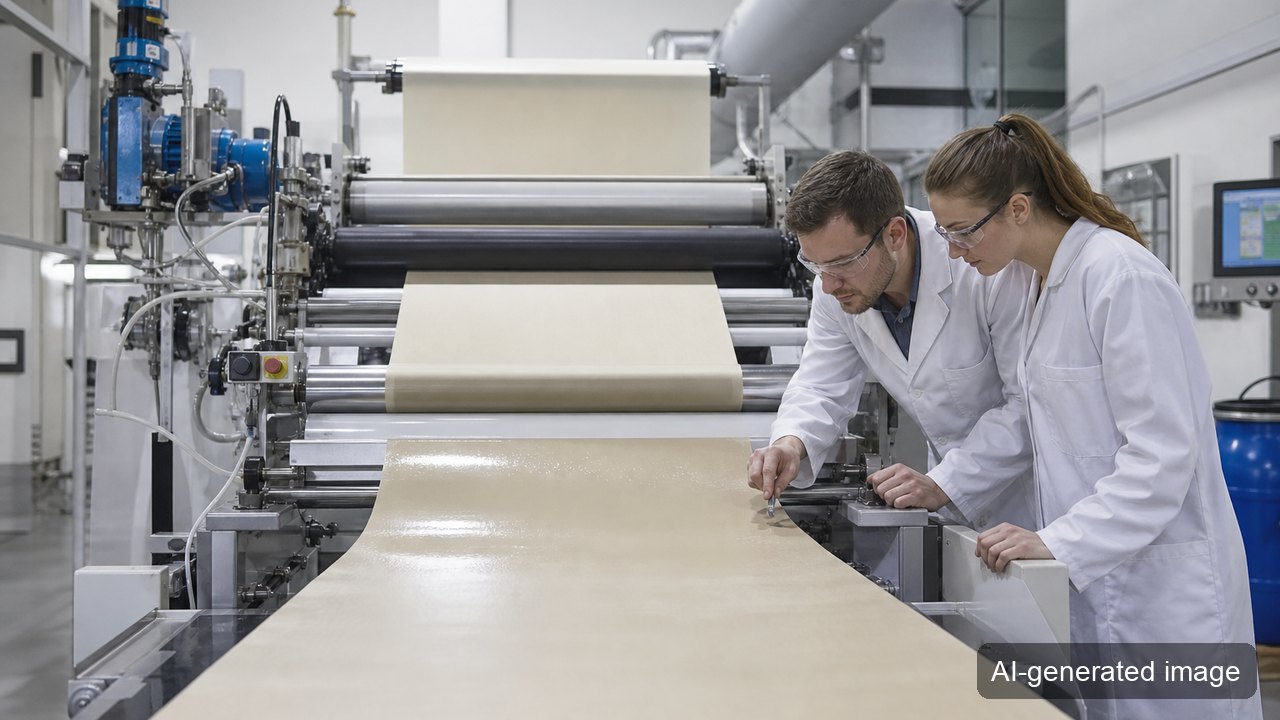
A material that works in the lab still needs to run on packaging equipment. Roll width, web tension, coating uniformity, drying, sealing temperature, print performance, minimum order quantity and lead time all matter. If additional additives are needed to recover performance, the recycling claim may become more complicated again.
A supplier proposal should therefore answer four questions:
- Can the target market treat this structure as paper for recycling?
- What PPWR or EPR documentation can be supplied?
- What happens to machine speed and defect rates?
- Does the sustainability benefit justify the cost increase?
Closing thought
The VTT and LUT work shows that paper packaging can move deeper into film territory. The winning structure will not simply be “made from cellulose”. It will be the one that proves low plastic content, barrier performance, sealing, recyclability, machine compatibility and food-contact suitability as one data package.
About the Author
PackingMaster: Editor of Paper Pack Log. We track paper packaging market trends, product information and technical insights for packaging professionals.
References
- Pulpapernews, “VTT launches fully cellulose-based film”, https://www.pulpapernews.com/20260611/17903/vtt-launches-fully-cellulose-based-film
- Background — European Commission, Packaging and Packaging Waste Regulation, https://environment.ec.europa.eu/topics/waste-and-recycling/packaging-waste_en