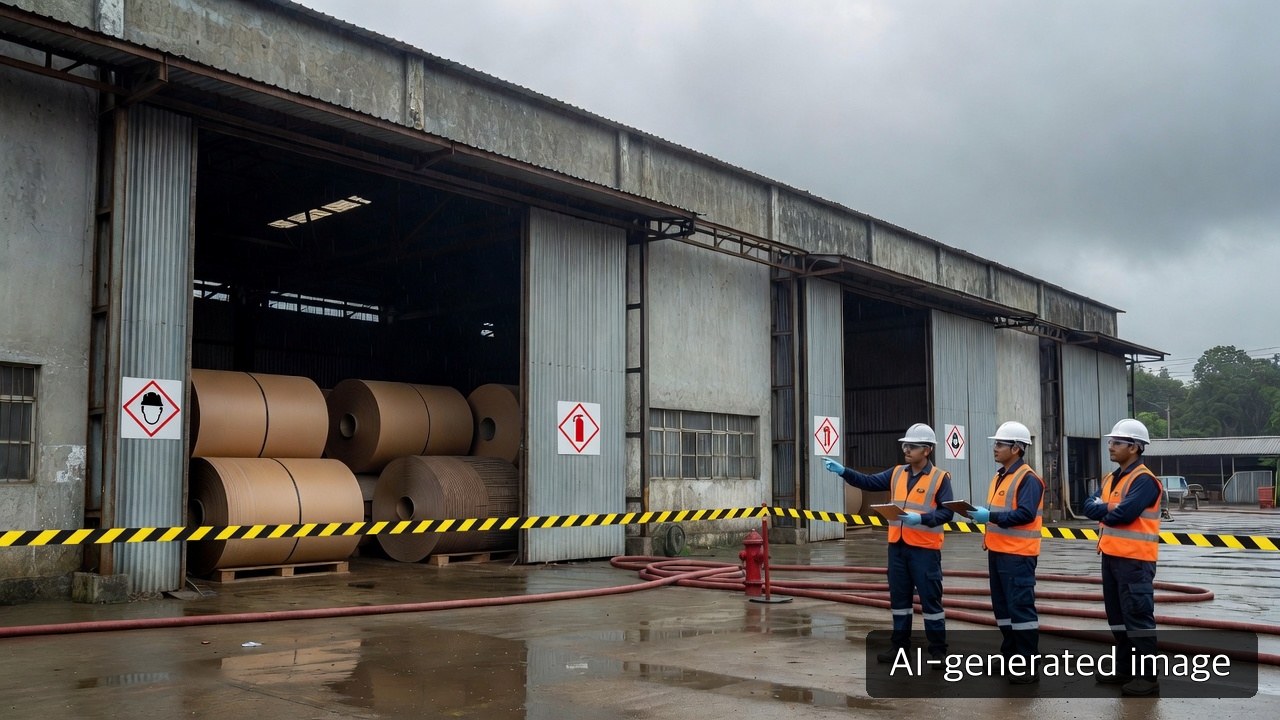
Marking “supply stopped” as soon as a mill fire is reported can push procurement decisions ahead of the evidence. Marking “normal operation” as soon as the flames are controlled can hide actual material and equipment damage. The fire reported on August 17, 2026, at Hakkani Paper and Board Mill in Boalkhali, Chattogram, Bangladesh, was reported to have been brought under control, but the public record reviewed does not confirm production-line status, commercial shipment or a restart schedule. This article gives procurement, production, quality and logistics teams a copy-ready 48-hour raw-material, equipment and delivery verification tool.
It does not use damage or possible human harm as spectacle. The focus is safety, verifiable facts and supply continuity.
Separate Reported Facts from Unconfirmed Operating Impact
Jago News 24 reported that two Fire Service and Civil Defence units from Boalkhali and Kalurghat responded after a fire was reported at about 1 p.m. on August 17 at the Kalurghat-area mill. At the time of that early report, the cause and loss were unknown and firefighting was still in progress.
A later BD24Live report said the fire was brought under control after about three hours. Citing a mill administrator, it said workers had seen smoke in a Unit 2 waste-paper storage area at the western corner of the site. Citing mill sources, it reported damage to some equipment, cables and waste paper used as pulp raw material. A fire-service officer described an electrical short circuit as an initial possibility, but the exact cause had not been established. A loss estimate attributed to a mill source was also preliminary reporting, not an official investigation or insurance assessment.
Neither of the two reports reviewed stated a casualty. That absence is not the same as an official “no injuries” confirmation, so the status should remain unconfirmed until a company or fire-service follow-up is available.
| Area | Reported on August 17 | Still Unconfirmed | Safe Internal Status |
|---|---|---|---|
| Time and place | About 1:00–1:30 p.m., paper and board mill in the Kalurghat area of Boalkhali | Exact ignition time and point of origin | Incident reported; details under investigation |
| Fire response | Two units attended; later report said the fire was controlled after about three hours | Site handover and final hotspot clearance | Safety handover being confirmed |
| Affected area | Smoke reported in a Unit 2 waste-paper storage area | Exact bay, isolation boundary and building scope | Affected area being confirmed |
| Equipment and material | Some equipment, cables and pulp-feed waste paper reported damaged | Asset list, quantity, water, soot and repair scope | Damage list being confirmed |
| Cause | Electrical short described as an initial possibility | Fire-service and company investigation conclusion | Cause unconfirmed |
| People | No casualty stated in the two reports reviewed | Formal confirmation of worker status | Official confirmation pending |
| Production and delivery | No public confirmation found | Stoppage, restart, grade, customer and PO effect | Production and PO effect being confirmed |
The purpose of this board is not to select “affected” or “not affected” quickly. It keeps what is known and what remains unresolved on the same screen.
The 48-hour tool below does not reconstruct the equipment or damage scope at Hakkani from the two reports. It is general operating guidance for companies with comparable paper or board processes or sourcing exposure in the area.
Hours 0–6: Fix the Safety Handover and Affected Boundary
A report that the fire is controlled is not permission to re-enter the warehouse or re-energise electrical systems. Confirm the end of emergency response, site handover, residual hotspots, structural condition and electrical safety separately.
- Access-control boundary and approved approach route
- Residual hotspot, smoke and re-ignition monitoring
- Heat and water damage to roof, walls, racks and floor
- Isolation and lockout/tagout of incoming power, switchboards, motor-control centres and cable trays
- Firewater ingress, slip risk and contamination boundary
- Time-stamped photographs, thermal images and fire-service handover record
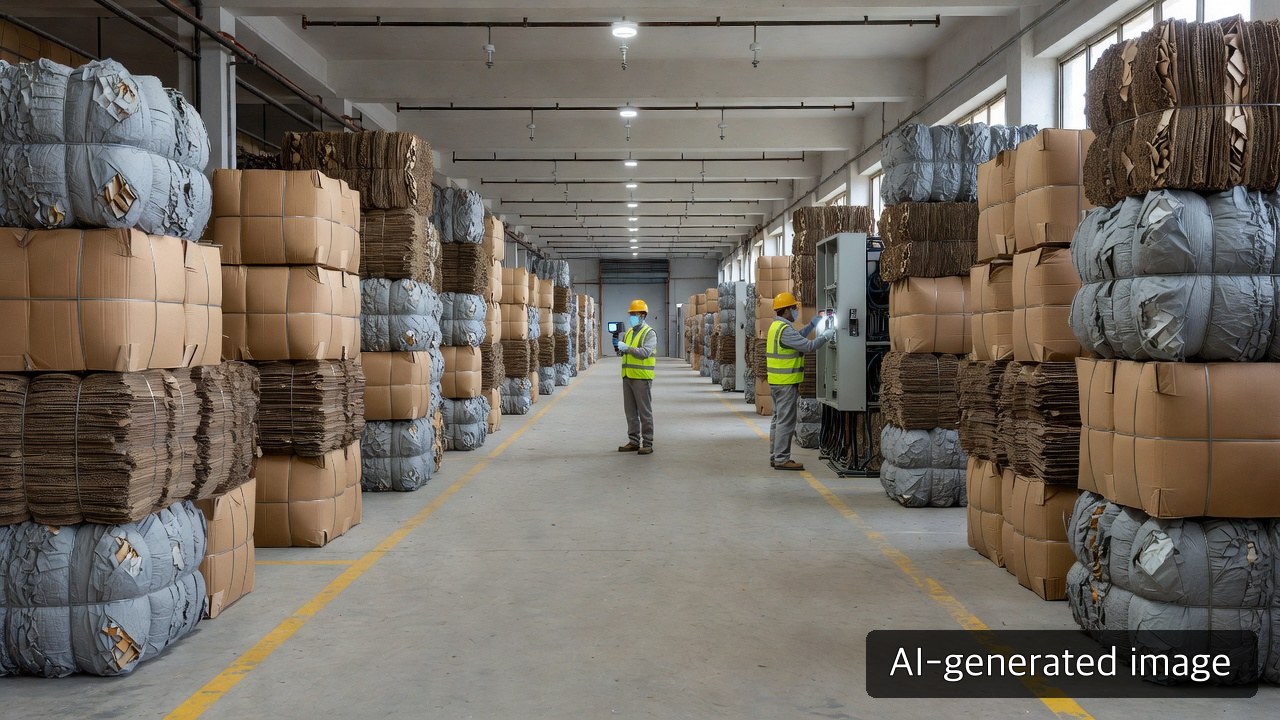
Hours 6–24: Separate Recovered-Paper Stock from Electrical and Equipment Damage
Do not count only the bales that burned directly. Water-wet stock, smoke- or soot-exposed stock, heat-affected adjacent bays and unaffected segregated stock must be separated before usable fibre can be calculated.
Recovered-Paper and Raw-Material Isolation Ledger
| Zone and Stock Key | Observed Condition | Immediate Action | Evidence Required for Release |
|---|---|---|---|
| [Warehouse, bay, recovered-paper grade, receipt lot] | Direct burn, heat, water, soot or unaffected quarantine | Stop issue, physically separate, recount | Joint safety/quality disposition with weight, moisture and contamination record |
| [Pulper-feed or DAF-related waiting stock] | Not fed, in feed or potentially mixed | Stop feed system and define mixing boundary | Cleaning and trial approval for pulper, conveyor and piping |
| [Work in process and finished goods] | Possible raw-material, smoke or firewater exposure | Hold shipment and isolate roll or pallet | Appearance, moisture, odour and quality checks with traceability |
Electrical and Equipment Recovery Ledger
| Equipment Boundary | What to Check | Hold Condition | Re-Energisation Evidence |
|---|---|---|---|
| Incoming supply, transformer and main distribution | Insulation, protection, heat and water damage | No ad-hoc re-energisation before cause review | Test record and approval by the electrical responsible person |
| MCCs, cables and sensors | Jacket, terminal, earth and I/O condition | Damaged circuit and isolation boundary unclear | Circuit-level test and replacement list |
| Conveyors, pulper and stock preparation | Motor, bearing, guard and foreign material | Waste paper, firewater or char may have entered | Cleaning, no-load run and interlock test |
| Paper machine, dryer and winder | Utilities, lubrication, air, steam and controls | Upstream process or utilities not released | Staged no-load/load test and quality approval |
Even if a short circuit was reported as a possibility, do not declare one damaged cable to be the cause or classify every asset in the same zone as causal equipment. Cause investigation and operating recovery are connected, but their evidence and approval owners must remain separate.
Hours 12–36: Restart by Equipment Release Gate
A single sentence saying “the mill restarted” is less useful than knowing which process was released under which conditions.
| Gate | Evidence Required | Hold-Status Wording | First Action after Release |
|---|---|---|---|
| P0 Site and electrical safety | Fire-service handover, structural/electrical inspection, LOTO release approval | Access and energisation approval pending | Inspect equipment outside the restricted zone first |
| P1 Raw-material availability | Unaffected segregated fibre, alternate arrivals, moisture/contamination disposition | Usable raw material being confirmed | Segregate lots and prepare pulper-feed plan |
| P2 Stock preparation and utilities | Pulper, chest, pump, air and steam tests | Stock-preparation and utility trial in progress | Low-load circulation, foreign-material and leak check |
| P3 Paper machine and finishing | Machine, dryer and winder interlocks plus trial roll | Production quality release pending | Quarantine trial roll and inspect properties, moisture and appearance |
| P4 Commercial shipment | Grade approval, customer allocation and roll/lot traceability | Shipment release pending | Release only approved POs in sequence |
A partial restart is not full normalisation. Trial-roll production, limited-grade production, commercial shipment and normal customer delivery must be reported separately.
Hours 24–48: Link PO, Inventory and Alternate Sourcing on One Board
A manufacturer may be exposed through a Chattogram-area partner or intermediary even without buying Bangladeshi paper or board directly. Search by manufacturing mill, grade, PO and current logistics location—not only by supplier name.
| Grade and Specification / PO | Production or Inventory Location | Current Verification Status | Next Action and Release Condition |
|---|---|---|---|
| [Testliner, fluting or board / PO, roll, lot] | Mill raw material, WIP, finished goods, external warehouse, port or shipped | Mill, allocation and shipment date being confirmed | Supplier returns PO-level production, allocation and logistics evidence |
| [Customer-specific grade / PO] | Incumbent or alternate mill | Change-approval requirement being confirmed | Sales obtains customer approval for mill or raw-material change |
| [Alternate grade / sample lot] | Alternate supplier or port | Technical and commercial review in progress | Approve TDS, CoA, sample, quantity, price and firm ship date |
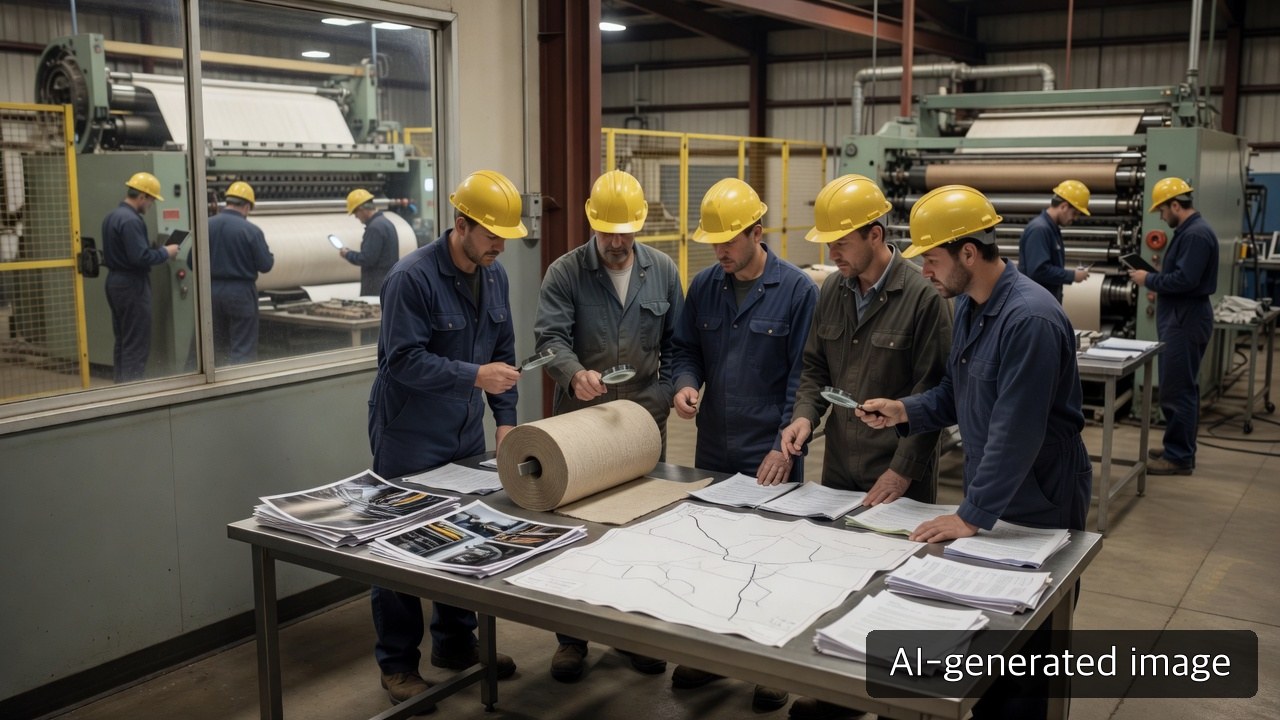
A grade with the same commercial name may differ in basis weight, moisture, Cobb, strength, shade, printing, bonding and corrugator behaviour. If the material is customer-approved, do not release commercial shipment before sample testing and change approval are complete.
Questions to Send to the Supplier Now
- For each open PO, identify the actual manufacturing mill and its current production, allocation and logistics location.
- Separate the fire-affected zone from unaffected quarantine, including recovered-paper grade, bay and usable quantity.
- State the isolation and quality disposition of raw material, WIP and finished goods exposed to firewater, heat or soot.
- Provide inspection and release status by main distribution, MCC/cable, stock preparation, paper machine and finishing area.
- Separate the planned time for trial operation, limited-grade production, commercial shipment and full normalisation.
- Is there a confirmed change to the production date, mill release, vessel date or ETA for our grade and specification?
- Can an alternate mill or grade provide firm quantity, TDS, CoA, sample and earliest confirmed ship date?
- When is the next official operating update, and who owns the PO-level reply?
Conditions That Require a Hold
- An electrical-short possibility has been entered as the official cause
- End of firefighting and structural/electrical site handover have not been separated
- Only directly burned waste paper was counted, without quarantining water-, soot- or heat-affected stock
- Trial operation, partial production, commercial shipment and full normalisation were all reported as one “restart”
- The manufacturing mill, grade, allocation and current location of the company PO are unresolved
- Alternate TDS, CoA, converting trial or customer approval is incomplete
- Only media coverage is available without a written PO-level supplier reply
Documents to Check Today
- Open POs linked to Bangladeshi paper, board, packaging or Chattogram-area partners
- Inventory isolation ledger by warehouse, bay, recovered-paper grade and receipt lot
- Damage, test, replacement and energisation approval by electrical cable and equipment
- Process trial and trial-roll quality inspection records
- Production, allocation, mill-release, port and shipment status by PO and roll/lot
- Alternate-mill or grade TDS, CoA, sample and customer-approval record
- Timestamp of the supplier reply and the next planned official update
The public record reviewed reports the fire, the response by two fire-service units, later control of the fire, and damage to some waste paper, cables and equipment. It does not establish a production stoppage, restart date or customer-delivery effect. The practical task is not to declare a “Bangladesh board shortage,” but to connect safety handover, fibre quarantine, electrical and equipment release, production trials, PO location and alternate approval with evidence within 48 hours.
About the Author
PackingMaster: Editor of Paper Pack Log. We collect and organize market trends, product information, and technical insights for the paper packaging industry.
References
- BD24Live, “Fire at Hakkani Paper Mill in Chattogram,” August 17, 2026, https://www.bd24live.com/bangla/803480
- Jago News 24, “Fire at Hakkani Paper Mill in Boalkhali,” August 17, 2026, https://www.jagonews24.com/amp/1148096