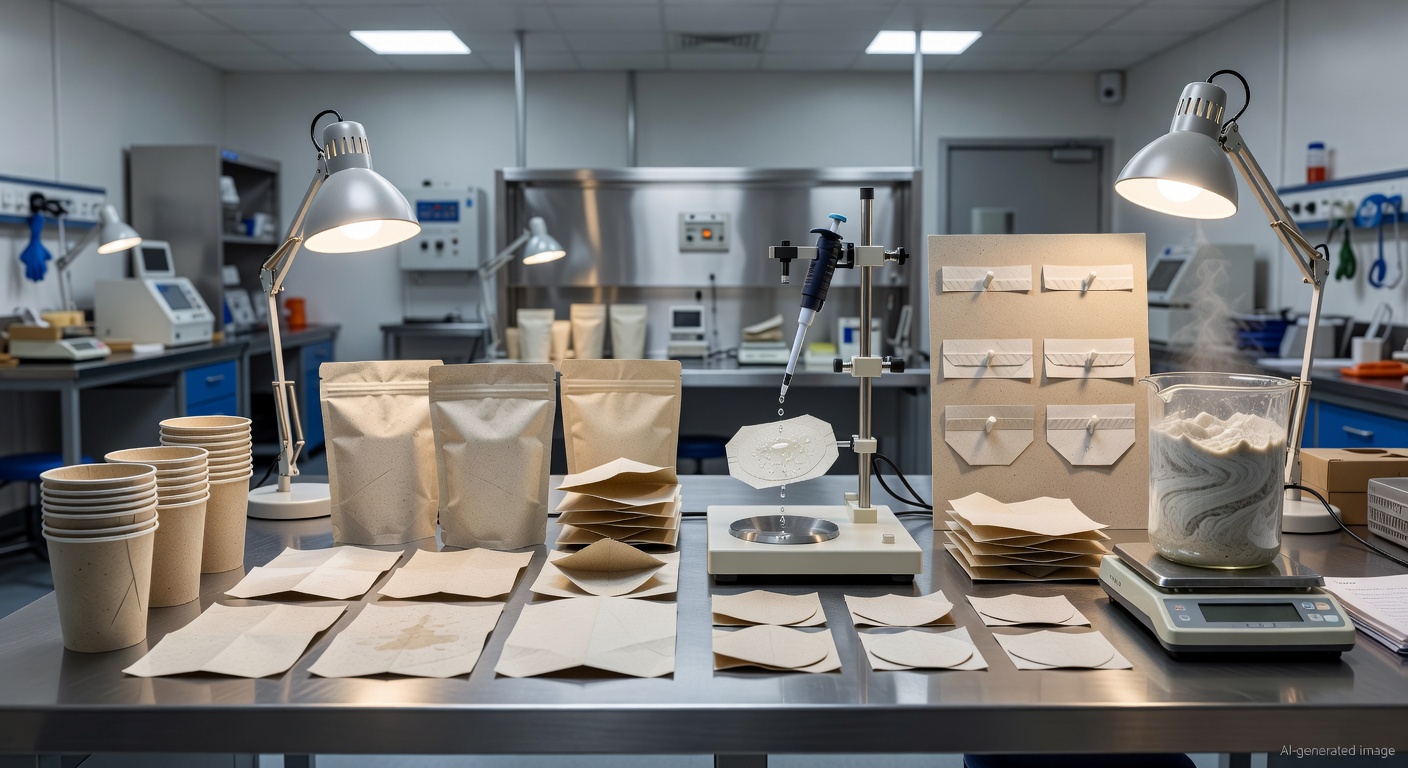
More companies are reviewing paper-based packaging to reduce plastic use. Barrier paper packaging is often discussed for food, consumer goods and e-commerce applications because it can improve moisture resistance, grease resistance, water resistance or product protection.
However, paper-like appearance does not automatically mean circular packaging. In real recycling processes, coatings, adhesives, printing, contamination and separability can determine whether fibres are recovered efficiently. This article explains the gap between packaging that looks recyclable and packaging that can work in a recycling system.
Bottleneck 1: coatings sit between function and recyclability
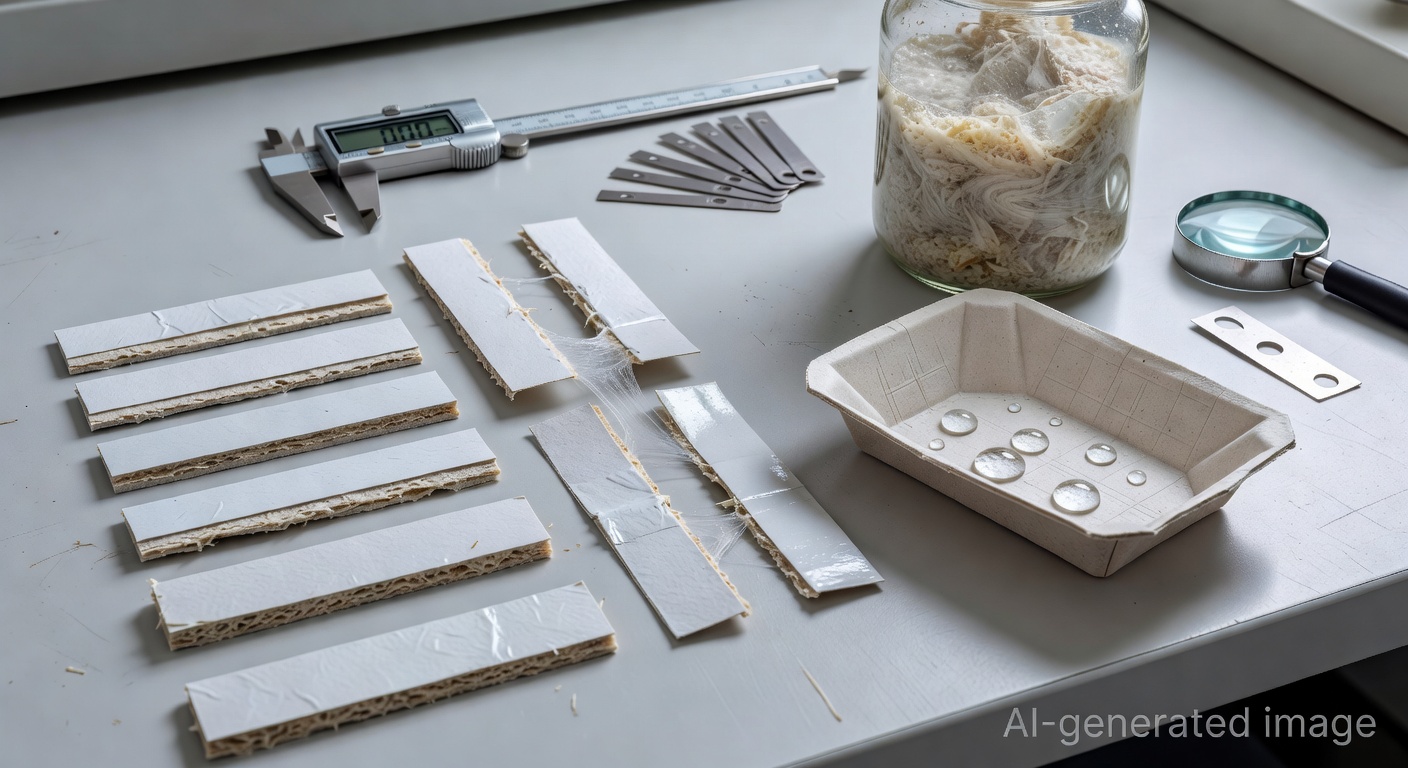
Barrier paper packaging usually uses a functional layer to compensate for the natural limitations of paper. The layer may help block water, oil, oxygen, aroma loss or leakage. The problem is that the same layer can become an impurity or separation issue during recycling.
Practical questions include:
- Does the coating disperse in water, or does it remain like a film?
- Does it reduce fibre recovery in the recycling process?
- Is the layer too strongly bonded to paper fibres?
- Is the structure accepted under the target market’s recyclability assessment?
- Are test records available for customers or distributors?
A purchasing decision based only on the phrase “paper-based” is risky. The type, thickness, dispersion behaviour and recyclability evaluation of the coating should be checked together.
Bottleneck 2: adhesives and closures create small defects
Adhesives can look minor in paper packaging, but small adhesive residues may create defects in recycling. Hot melt, lamination adhesives, label adhesives and tapes can remain as sticky contaminants during pulping.
Barrier packaging often needs strong seals to protect the product. Strong bonding is useful during distribution, but it may reduce separability later.
The practical checks are:
- Adhesive share in total packaging weight
- Risk of sticky contaminants in recycling
- Whether labels or tapes can be removed easily
- Whether the adhesive area is necessary for performance
- Whether water-based adhesives or structural alternatives are available
Bottleneck 3: recyclability is a system result, not a material name
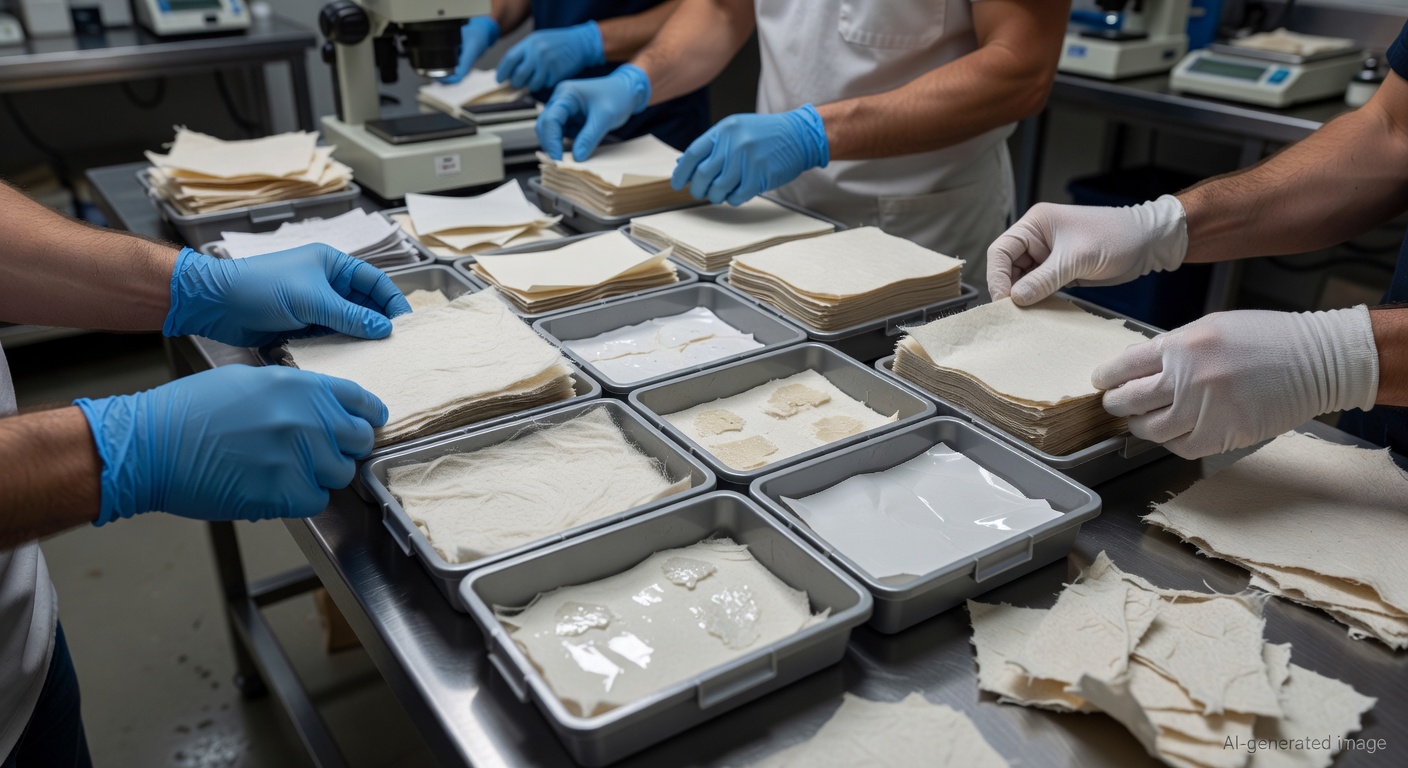
Recyclability is not decided by one material name. Two paper-based packages can perform differently depending on coatings, adhesives, printing, remaining product contamination and consumer disposal behaviour.
Paper cups, coated paper trays, barrier pouches and paper labels may all be described as paper-based. Recycling facilities may still treat them differently. Some require separate sorting, some have lower fibre yield, and some depend heavily on local collection infrastructure.
Product development teams should keep records of:
- Material composition and weight
- Coating, adhesive and printing specifications
- Internal or external recyclability test results
- Collection and disposal systems in the target market
- Customer requirements and revision history
Checklist for purchasing and quality teams
When reviewing barrier paper packaging, price and performance are not enough. Add these questions to the purchasing checklist.
- Which barrier function is required: moisture, grease, oxygen, aroma or leakage control?
- Does the function require a coating, or can structural design reduce the need?
- How are coatings and adhesives treated in recycling?
- Can the package be collected as paper in the target market?
- Are material, weight and test records ready for customers?
- Can the same function be achieved with a simpler mono-material structure?
These questions reduce the risk of choosing packaging based only on a green claim.
Conclusion
The goal of circular barrier paper packaging is not just to make packaging look like paper. It is to maintain product protection while enabling fibre recovery in realistic recycling conditions.
The more a company aims to replace plastic, the more important coatings, adhesives and recyclability checks become. Paper-based packaging is a useful starting point, but real circularity depends on detailed specifications and process compatibility.
About the Author
PackingMaster: Editor of PaperPackLog. We summarize market trends, product information and technical insights for the paper packaging industry.
References
- Background — European Commission, Packaging waste, https://environment.ec.europa.eu/topics/waste-and-recycling/packaging-waste_en
- EU 포장 및 포장폐기물 규정(PPWR) 올해 8월부터 단계적 시행 - KATI 농식품수출정보
- 2026년 글로벌 포장 규정 준수를 위한 준비 방법