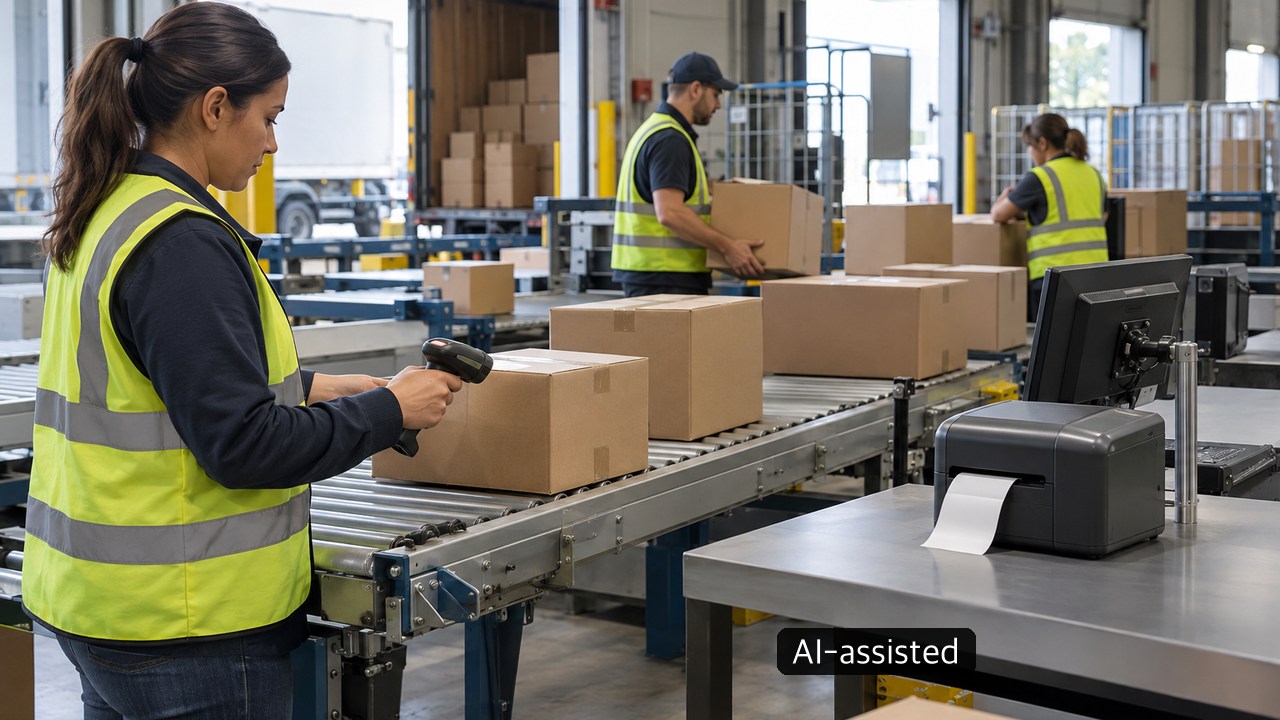
On 26 October 2026, CJ Logistics announced a next-generation Digital Assorting System (DAS) for sorting goods received at a warehouse according to customer or store orders. Its subject is the allocation of mixed inbound stock to destinations. It should not be read as an announcement about putting consumer orders into boxes or sealing outbound parcels.
The company describes a change from workers following a fixed route in sequence to several workers sorting at the same time with individual tablets and mobile carts fitted with displays. Under the earlier approach, one worker could wait for another to clear a congested section. Goods and quantities also had to be divided by route before the main sort. The new workflow can carry different SKUs on one cart and guide the worker to each location and quantity, reducing that preliminary step.
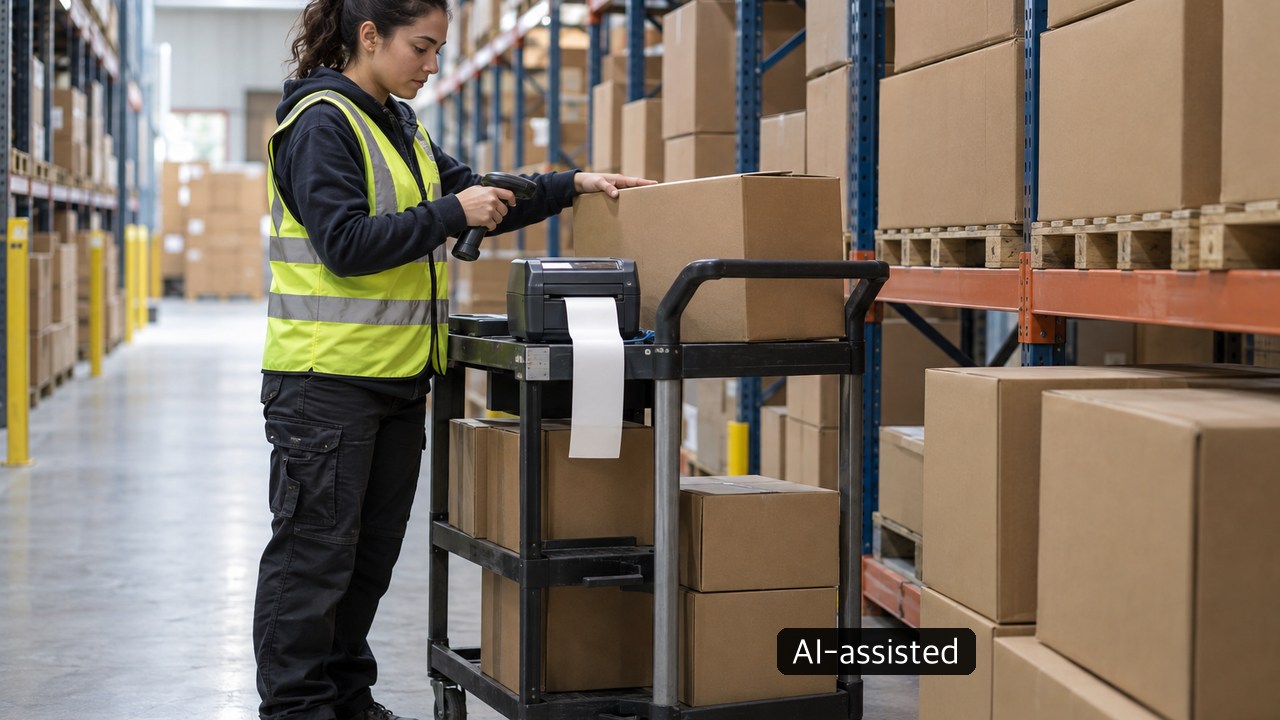
Barcode checks and labels within the sorting flow
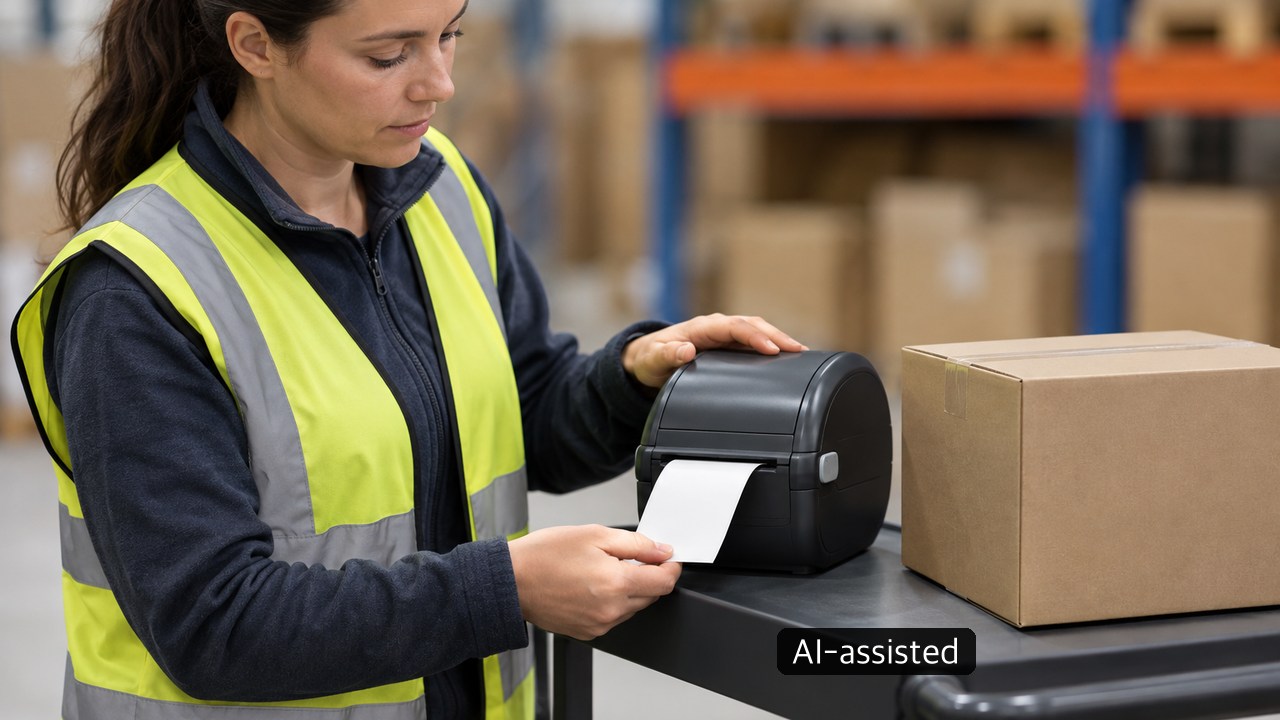
According to the release, scanning an item’s barcode brings up item information and a loading position on the tablet and cart display. A mobile printer can produce a label at the worksite while checking and sorting proceed in the same flow. The aim is to reduce trips to another station and reliance on a worker’s memory. The release does not specify the printed data fields, label stock, placement or print verification method. It therefore does not establish that these are shipping labels, consumer parcel labels or any particular regulatory marking.
For packaging and fulfillment teams, the practical handoff is whether the identification follows the correctly sorted goods into the next handling step. Printing nearby may save travel, but the match among barcode, sort instruction, physical location and printed label needs operational evidence. The public material also does not describe exception handling for a bad scan, duplicate print or cart change. Those are questions for an implementation review, not allegations of system faults.
The roughly 14% gain is a forecast
CJ Logistics expects sorting productivity to improve by approximately 14%. It did not present that figure as a measured post-deployment outcome or a universal performance rate. The public release does not set out the site, SKU mix, staffing or comparison period behind it. Actual improvement could vary with order concentration, travel distance and exception volume.
A useful site assessment would compare correctly sorted units per labor hour alongside time spent pre-sorting, queue time, mis-sorts and rework, using the same task boundaries. Higher throughput alone would give an incomplete picture if errors increased. The company’s view that high-SKU facilities may benefit particularly also remains a proposition to check against each facility’s data.
The announcement establishes a redesign of inbound customer and store allocation with concurrent work and on-site label output. A shipper considering it should map its own sorting boundary and label control first, rather than treating the release as proof of outbound packing automation.
About the Author
PackingMaster reviews paper packaging, converting processes and their interfaces with logistics operations. The articles distinguish published claims from performance that needs site evidence.
References
- CJ Logistics, next-generation DAS announcement (26 October 2026, company release).
- Korea Logistics News, report on next-generation DAS (26 October 2026, secondary reporting; features and figures follow CJ’s release).