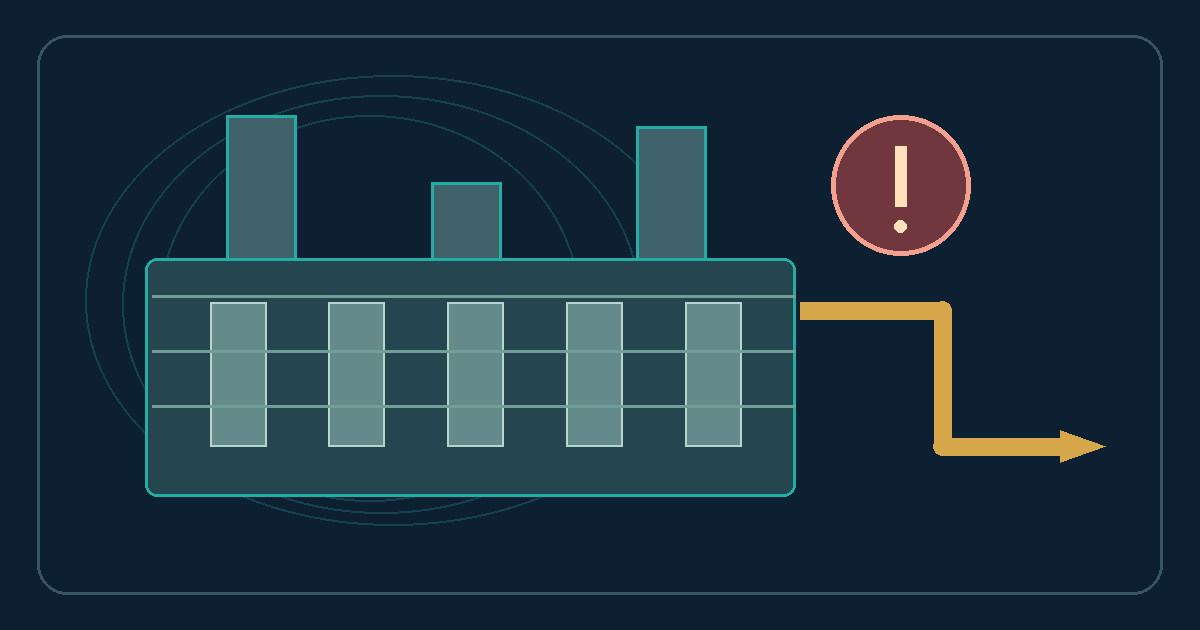
A mill failure can affect both output and delivery, but a company’s quarterly net result cannot tell a buyer exactly which orders were delayed. Clearwater Paper’s bleached paperboard mill in Augusta, Georgia, provides a useful case. In its third-quarter 2026 earnings release filed with the SEC, the company reported a significant operational disruption late in the quarter and said issues continued into October. Production interruptions, company-wide financial results, insurance payments and proposed maintenance are different facts, with different sources and limits.
Operational problem
Clearwater acquired the Augusta mill and associated business from Graphic Packaging International in 2024. Its third-quarter Form 10-Q says the late-quarter disruption reduced output and that overall paperboard sales volume declined slightly year over year. Packaging Dive’s October 27 report quotes CEO Arsen Kitch describing several electrical and mechanical failures in the pulp, power and recovery operations around late September and early October. Those details about equipment and sequence are attributed to the outlet’s account of the earnings call; they are more specific than the operational-disruption wording in the earnings release.
The company said it was making progress returning the mill to normal operations. That is not a declaration that full production had been restored by October 26. The filing anticipates a planned Augusta maintenance outage in the first quarter of 2027. Packaging Dive also reports the CEO’s estimated $12 million–$15 million January maintenance cost and the possibility of another outage in the second or third quarter. These are forward-looking estimates and possibilities, not completed work or a quantified customer delivery impact.
Evidence to request
The earnings release and 10-Q support the following distinctions:
| Item | Disclosed figure | What it does not show |
|---|---|---|
| Company-wide Q3 net sales | $385 million, versus $399 million a year earlier | Not Augusta-only revenue. Clearwater mainly cited lower market pricing in the decline. |
| Company-wide Q3 net loss | About $2 million | Not a direct estimate of the mill failure’s cost. |
| Paperboard sales volume | 322,265 short tons, approximately 1% lower year over year | Not a customer-specific late-delivery percentage. |
| Q3 representation-and-warranty insurance receipt | $17.5 million | Not evidence of physical repairs or recovered capacity. |
| Cumulative recovery under that policy | $73 million, according to the filing | The Q3 receipt is already included; do not add it again. The policy limit is a separate $105 million. |
The 10-Q allocates $9.5 million of the quarter’s insurance receipt to cost of sales for reimbursable expenses and $8 million to other operating expense for other alleged breaches. Neither accounting treatment proves that a failed component was fixed. The rise in adjusted EBITDA from continuing operations to $24 million from $18 million a year earlier also should not be labeled an Augusta performance improvement: the company cited the timing of Lewiston, Idaho, planned maintenance, partly offset by lower pricing.
The acquisition-related insurance dispute is a separate matter
The 10-Q describes Clearwater’s allegations of breaches of representations and warranties connected with the acquisition and says it received the final insurance payment by September 2026. Packaging Dive reports that the CEO believed some information provided around the transaction was incomplete or inaccurate and was weighing options. Receipt of insurance proceeds confirms a payment; it does not establish in court that the seller committed a misrepresentation, that litigation has been filed, or who is legally responsible for the later equipment failures. Keep the contractual insurance issue out of an unsupported causal account of the breakdowns.

Practical output
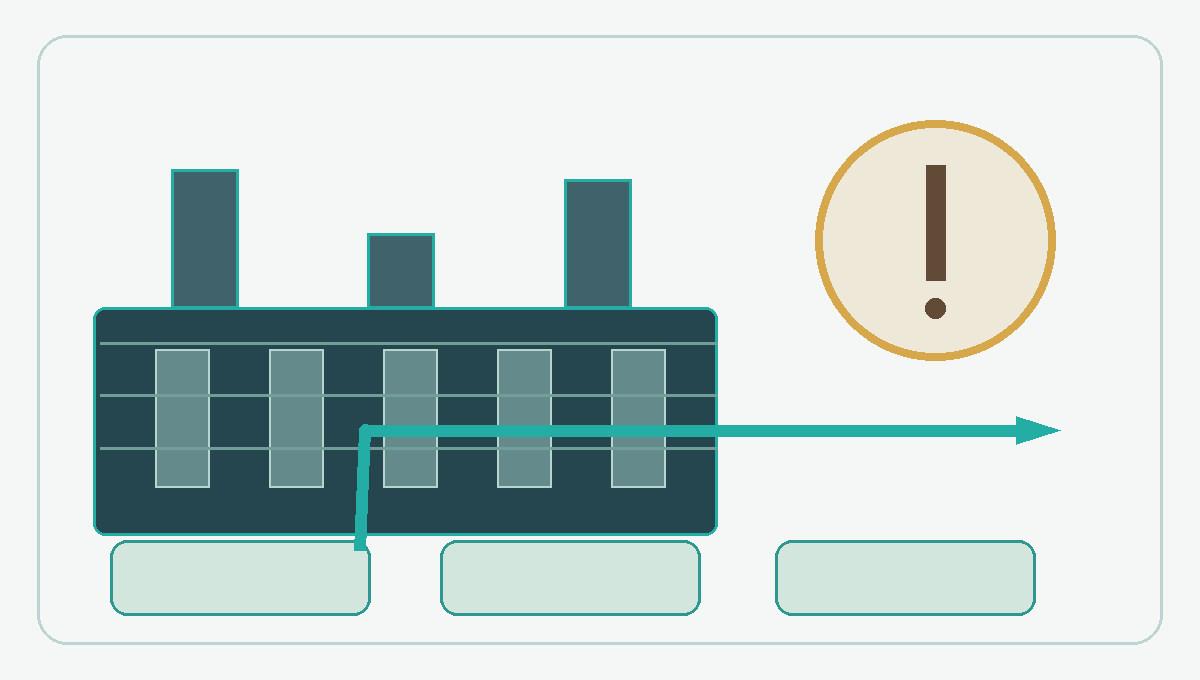
- Restoration evidence. Ask the supplier which process was affected, when the relevant equipment returned to service and which recurrence-prevention actions are complete. These are proposed buyer questions, not a list of repairs disclosed by Clearwater.
- Order-specific supply plan. Reconcile confirmed production and shipments against the buyer’s own orders, backup mill or inventory, and revised delivery dates. A company-wide 1% volume decline cannot be converted into a particular buyer’s shortage.
- Maintenance outlook. Before the expected first-quarter 2027 work, obtain the supplier’s current schedule and contingency plan. Treat the reported cost estimate and potential further outage as forecasts subject to change.
When to defer application
The operational disruption is documented in the filings. More granular failure details and future maintenance costs come from reporting on the call; acquisition-related wrongdoing remains an allegation. A payment, a repaired mill and an on-time customer shipment belong in three separate evidence columns.
About the Author
PackingMaster: Paper Pack Log editor, covering paper-based packaging markets, materials and manufacturing with source-aware analysis.