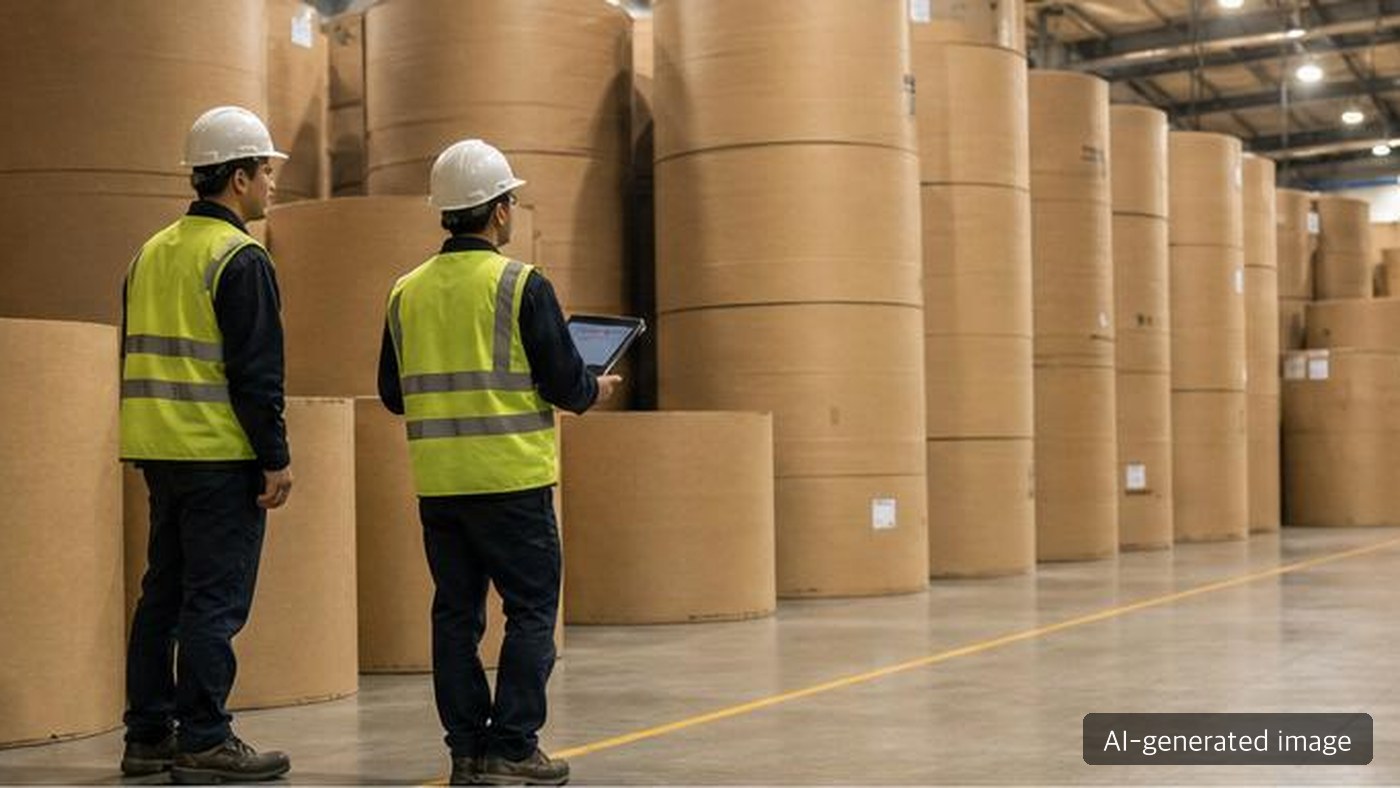
“Oversupply” is one of the most confusing words in the containerboard market. On a global capacity chart, the market may look long. In an actual packaging quote, however, buyers can still see regional price increases, grade-specific shortages, and lead-time pressure. The practical question is simple: if supply is abundant, why do some prices still move up?
The answer is that containerboard does not move as one global average. Paper rolls are bulky, transport costs matter, and local demand, recovered paper collection, energy costs, exchange rates, port schedules, and mill operating rates all affect delivered prices. Global capacity may be sufficient while a specific region or grade remains tight.
Why oversupply and price increases can appear together
Containerboard capacity is added in large blocks. When new machines or conversions come online, market reports can show a long supply position. But mills can reduce operating rates, schedule downtime, switch grades, or manage inventory when demand is soft. Capacity may exist on paper, while available shipment volume is more limited.
Regional barriers also matter. Containerboard is not a lightweight component that can move freely by air. Ocean freight, currency, port timing, quality approval, and customer specifications all limit substitution. A price increase signal in North America does not automatically set Asian prices, but it can influence benchmarks, buyer psychology, and contract discussions.
What packaging buyers should watch
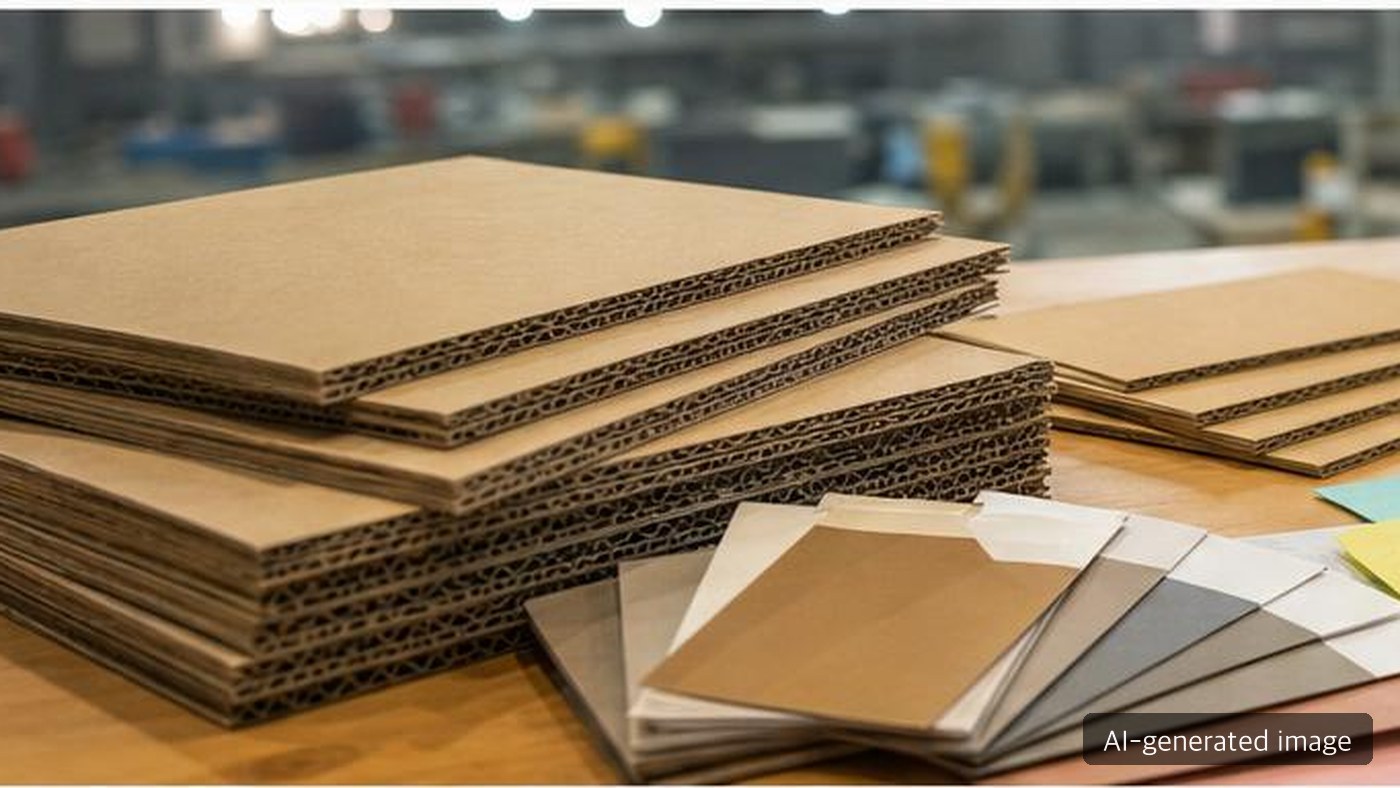
For B2B packaging buyers, the important issue is not only whether paper prices are up or down. It is whether the next quote can be explained. Customers see the box price, while manufacturers must manage liner grade, medium grade, basis weight, yield loss, minimum order quantity, and delivery terms.
Key variables include:
- Grade-specific supply: kraft liner, test liner, and corrugating medium can move differently.
- Recovered paper and pulp costs: OCC collection and import prices influence recycled grades.
- Exchange rates and freight: imported paper or raw materials can affect short-term quotes.
- Mill operating rates: actual shipment policy may matter more than theoretical capacity.
- Fixed customer specifications: strength, print, coating, and machine compatibility can limit alternatives.
How to reflect the risk in quotes
Simply saying “paper prices increased” is weak. A quote memo or price adjustment note should separate the reasons.
Useful fields include:
- Base paper grade and basis weight
- Change from the previous quote or supply condition
- Freight, currency, or auxiliary material impact
- Minimum order quantity or lead-time change
- Possible alternative specification and quality impact
This structure helps customers understand whether a price change is arbitrary or linked to raw material, logistics, or specification constraints.
The risk of waiting only for price declines
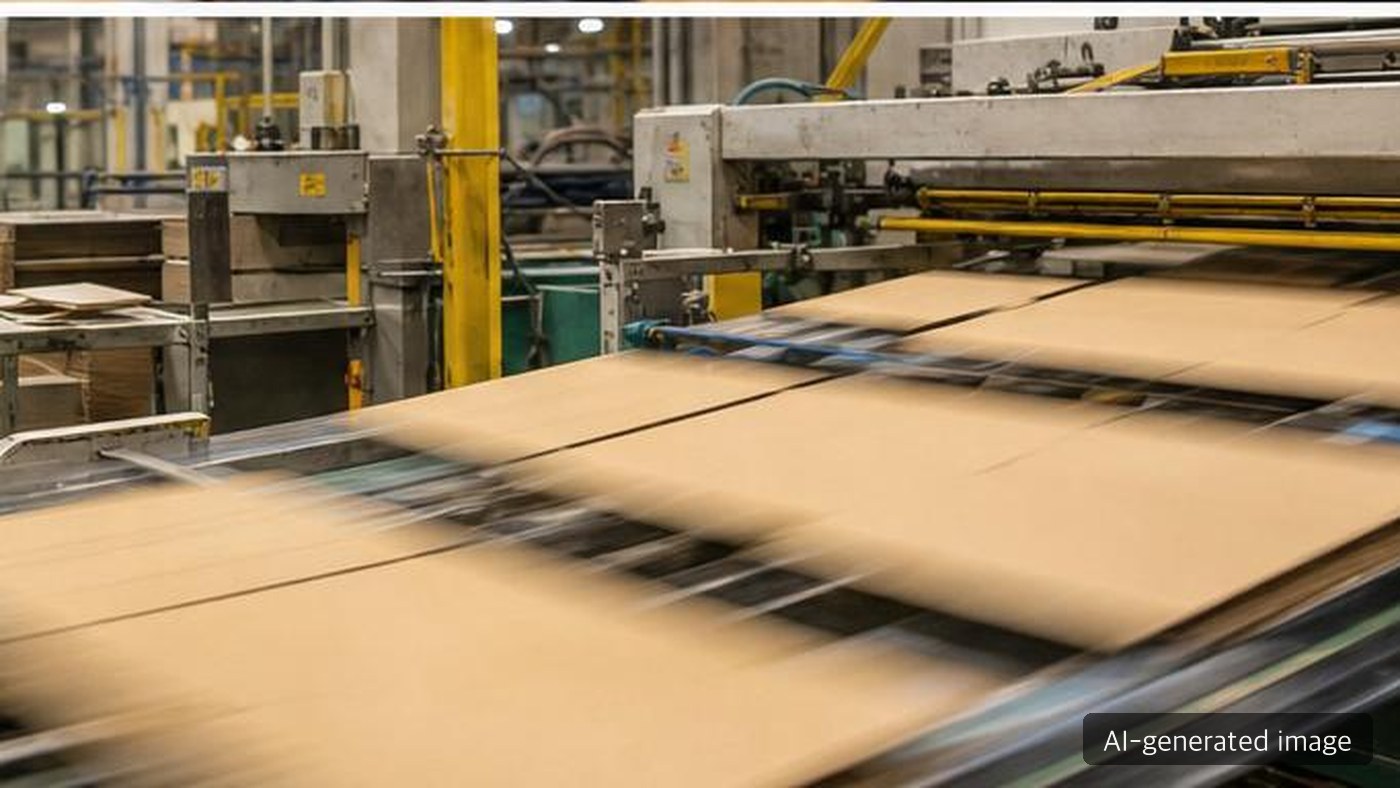
If buyers only focus on the word oversupply, delaying purchases may look attractive. But packaging is tied to production and delivery schedules. A required grade may become tight at a specific time even when the broader market looks weak.
Export boxes and automated packaging line boxes are especially difficult to change quickly. Compression strength, print position, case forming, palletizing pattern, and customer approval all matter. A cheaper substitute can create higher costs through damage, deformation, or claims.
Buyer checklist
- Have recent quote changes been separated into paper, freight, currency, and auxiliary materials?
- Is there an approved range for alternative grades?
- Which quality items cannot be changed without customer approval?
- Is the purchasing mix divided between long-term contracts and spot buying?
- When a price increase is requested, are mill notices, market reports, or freight data requested as evidence?
- Do critical packaging items have a separate safety-stock rule?
Closing
Global containerboard oversupply does not mean that every region and every grade will fall at the same time. Containerboard is strongly affected by regional logistics and mill operating decisions. Packaging buyers should read the large market trend together with the specific grade, lead time, and substitution limits of their own packaging.
The goal is not to predict the exact bottom of the market. The goal is to explain why a quote changed and to manage supply risk before it becomes a delivery problem.
About the Author
PackingMaster writes about industrial paper packaging, corrugated specifications, and export packaging requirements from a practical B2B perspective. The focus is on checklists that purchasing, design, and quality teams can use directly.
References
- Fastmarkets, Paper Packaging Market Outlook 2026: https://www.fastmarkets.com/uploads/2026/03/paper-packaging_market_outlook_2026_v3.pdf
- Packaging Dive, Containerboard price increases and supply-demand signals: https://www.packagingdive.com/news/containerboard-price-increases-june-2026-supply-demand/819166/
- 제지업계, 美관세·中덤핑 ‘이중압박’… ‘수출 다변화·신소재’ 돌파구 - 뉴스1
- 중동 리스크에 화재·사고까지…골판지 공급망 ‘이중 충격’ < 경제일반 < ECONOMICS < 기사본문 - 더퍼블릭