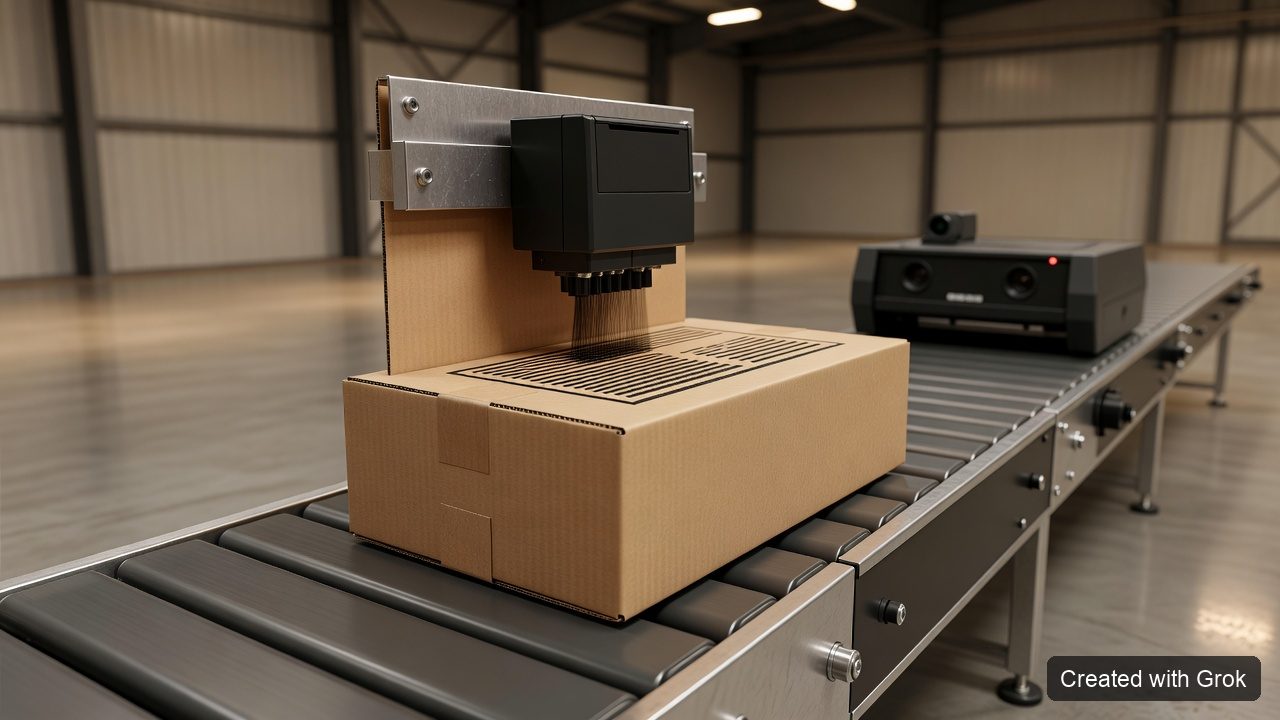
In a September 28 interview with Corporate Economic News, CIJ Korea said it had developed a way to print shipping information during packing directly onto parcel boxes, rather than printing and attaching a separate shipping label. This is a development and application described by the company’s chief executive. The public material reviewed does not establish a commercial deployment at a named carrier, an achieved scan pass rate or measured savings on a live shipping line.
The useful question is not simply whether an adhesive label disappears. It is whether the right variable shipping data reaches the right box, remains readable through sorting, and is handled appropriately when the box reaches its recipient. The steps below are editorial trial questions, not CIJ Korea’s verified operating procedure.
Box printing and tape printing are different designs
The interview discusses both direct printing on the parcel box and a separate suggestion to print information on OPP packing tape so that opening the carton damages the information. A claim about torn tape does not mean that data printed on the box surface erases itself. If a recipient’s details remain on a carton, the exposure and disposal process need separate consideration.
CIJ Korea’s direct-printing overview and its paper/corrugated application category describe the company’s own offerings. Those pages do not, by themselves, prove adoption volume or scan performance at a parcel operator. The per-label cost comparison in the interview is also a company statement; the public material does not establish whether it includes board grade, ink, printhead upkeep, reprinting rejects and inspection labour. We therefore make no general savings claim.
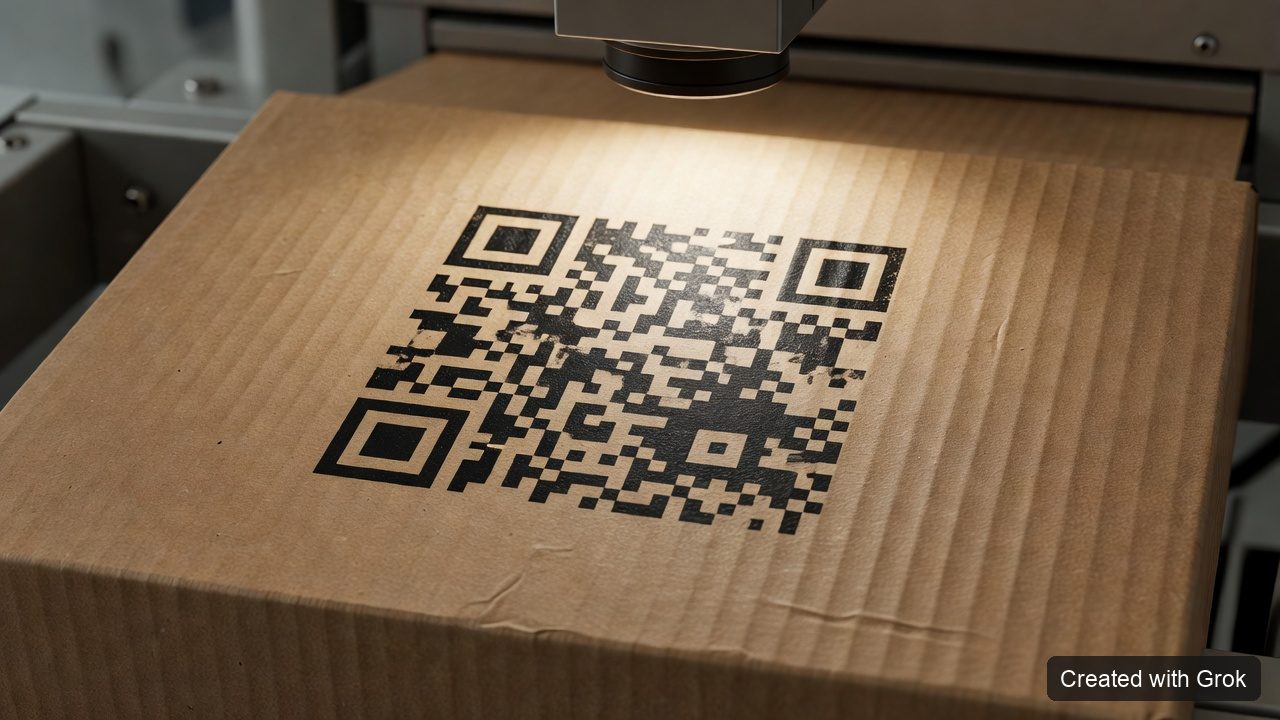
Trace one box’s data before dispatch
A variable-data workflow first has to prevent a shipping record from being paired with the wrong parcel. A bounded editorial pilot would ask:
- Order-to-box link: Connect the order identifier, approved shipping-data version and physical carton at pack-out. Check that a changed or cancelled order cannot cause stale print data to be reused.
- Print zone: Keep folds, tape, edges and surface contamination out of the print area. Test smearing and abrasion on the actual corrugated surface, ink and line speed in use.
- Downstream reads: Check both machine-readable codes and human-readable addresses where required along the actual sorting and collection route, not just under one camera immediately after printing. Hold unreadable cartons and assign an owner for reprinting or a fallback label.
- Returns and disposal: Prevent an old recipient’s information from being exposed when a returned carton is reused; address the information remaining on the box when a consumer discards it.
This is neither a statutory certification checklist nor a published vendor test result. A good-looking sample on one substrate cannot stand in for every board grade, ink, placement or carrier sorting process.
Judge exceptions, not just the label count
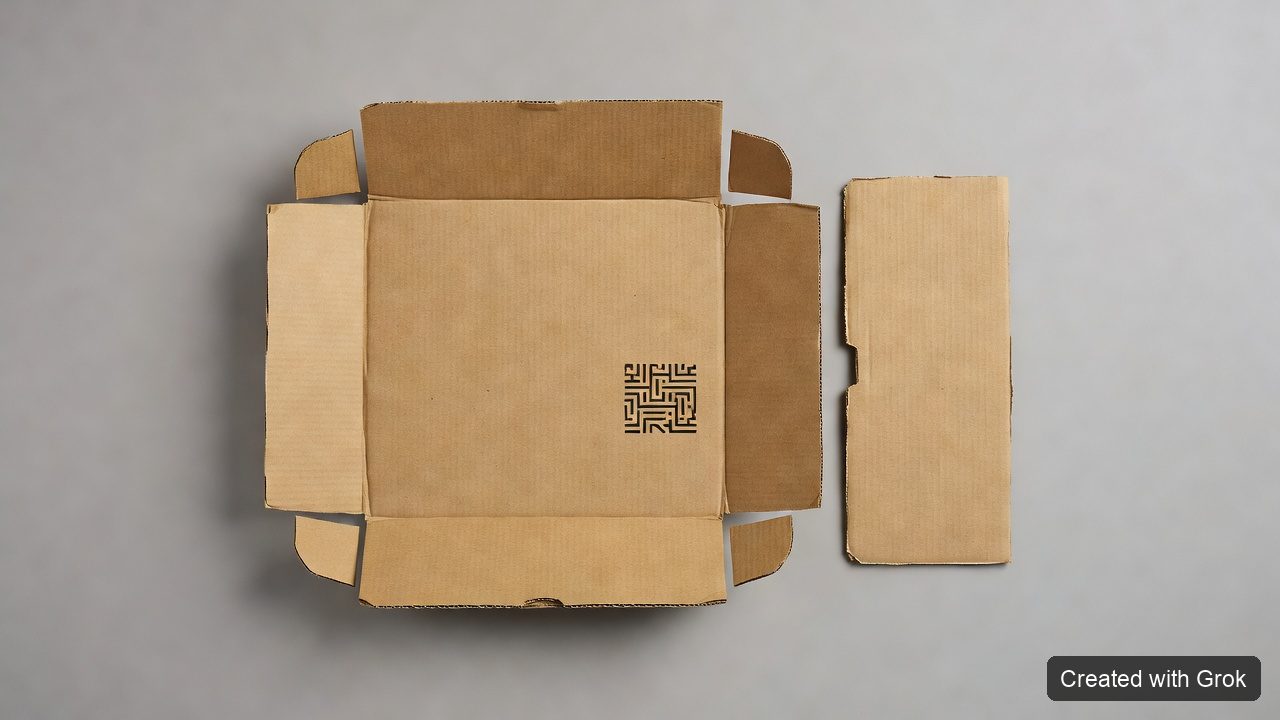
Direct printing may reduce label supply and application steps. It also needs a fallback when the board is wet or dusty, box heights change, or the print fails inspection. Compare the same SKU and dispatch route under the existing label and proposed direct-print methods, recording failed reads, rework, exception queues and time spent handling exposed data. Only then can a particular site evaluate its effect.
What is presently supported is the company’s interview statement about developing the method and its published application categories. Commercial installation and operational outcomes need their own evidence. Printing directly on the box does not, by itself, settle readability or privacy.
About the Author
PackingMaster: PaperPackLog editor, covering packaging materials, market developments and practical technical guidance for the paper-converting industry.