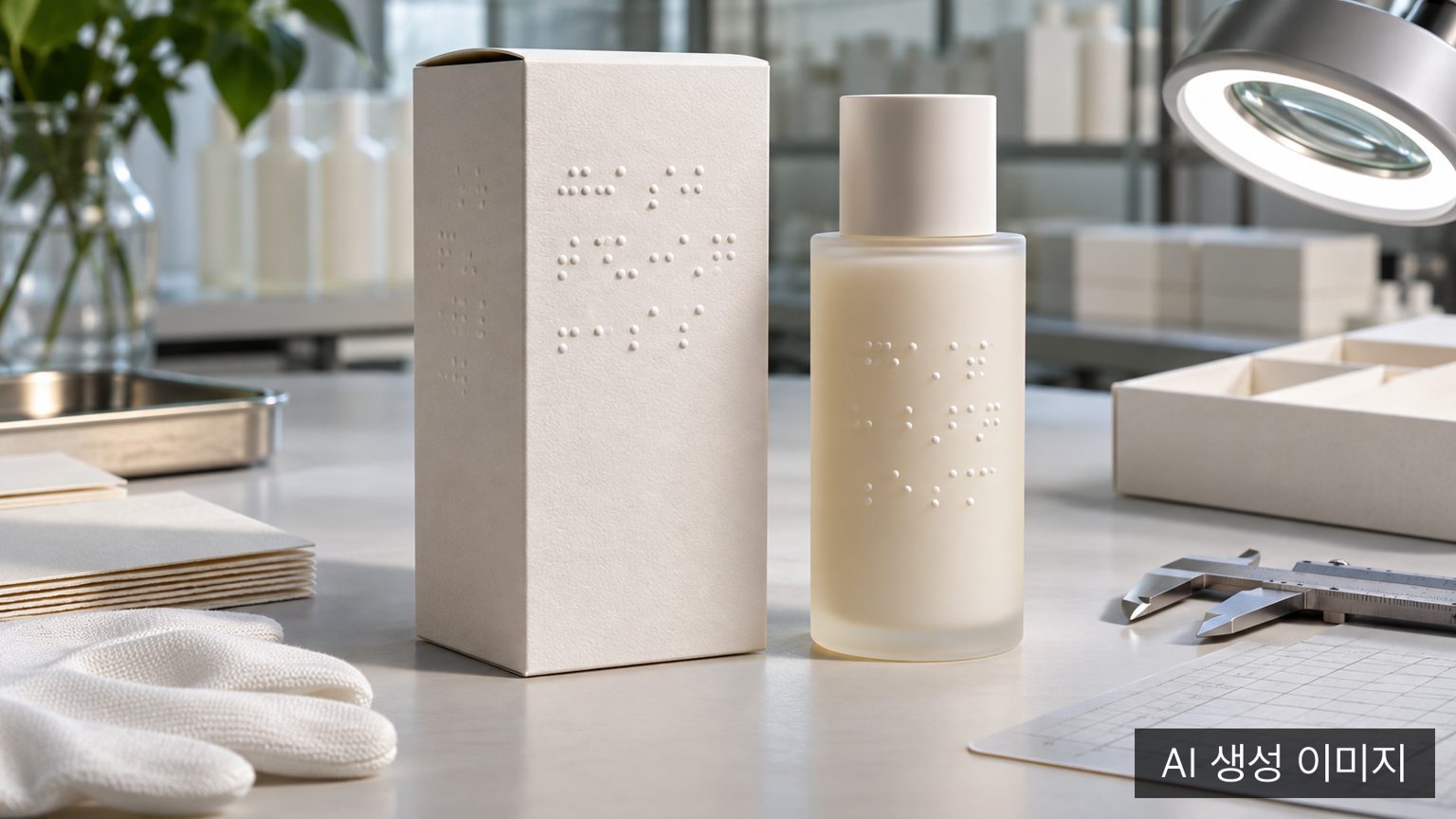
Guidance is not a blanket mandate
Korea’s Ministry of Food and Drug Safety published its guidance on braille marking for cosmetics on October 20. Its description says the document is for businesses choosing to display legally required particulars on a container or package in parallel through braille or a code that converts information into audio or sign-language video. The release should not be described as a new requirement that every cosmetic pack carry braille.
A November 2 factory visit, reported by Media Life, showed work on braille-printed containers, dedicated labels and inspection challenges. It was a production-site visit, not an announcement of compulsory marking across all products.
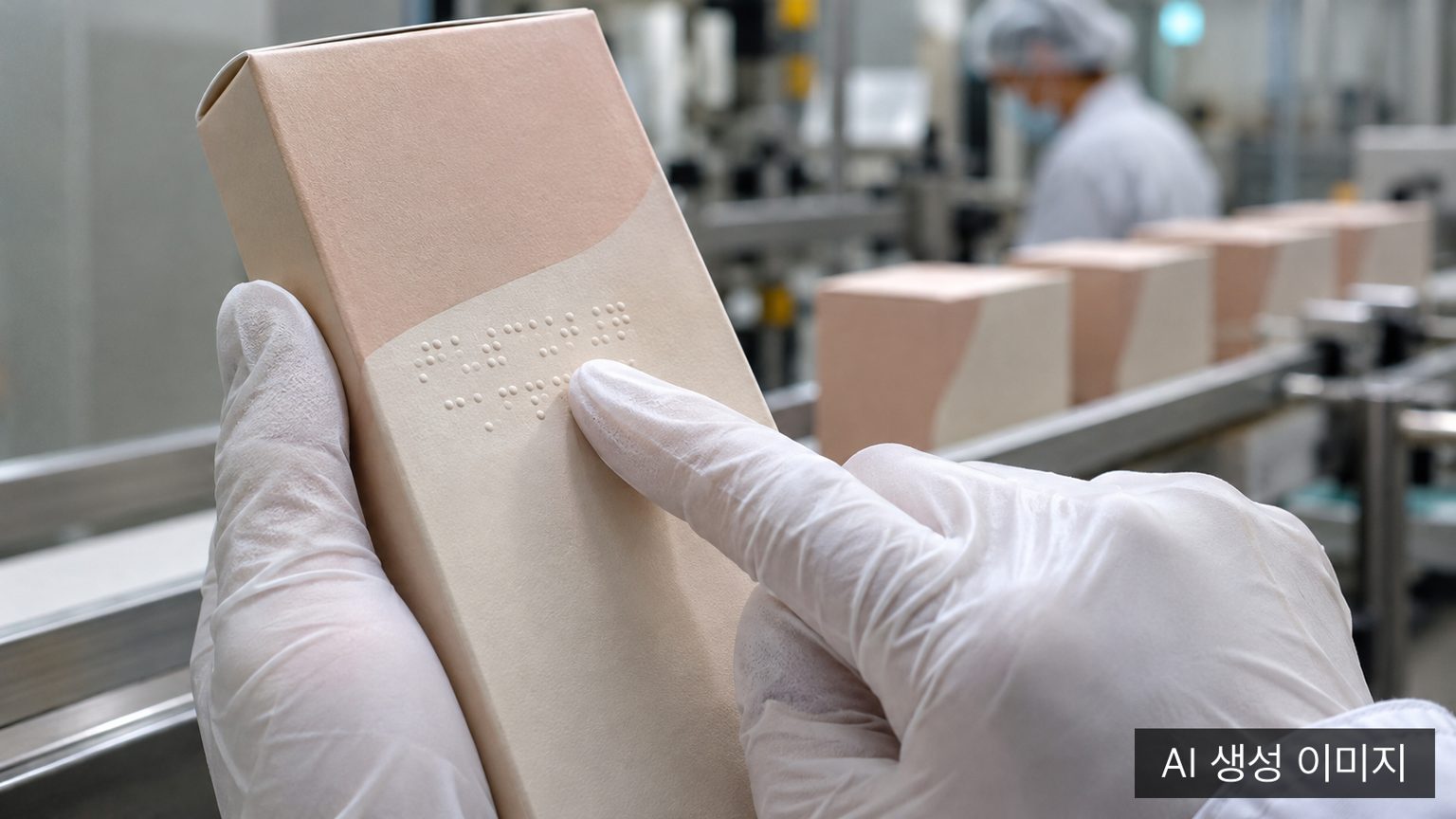
Questions for the production brief
First approve the source wording and the braille transcription or conversion-code data. Then distinguish direct container printing from an applied label and check placement, tactile identification, post-print legibility and durability after cutting, bonding and handling. Braille and conversion codes are different channels; passing inspection for one does not prove the other works. The product-specific scope and conditions should be checked against the ministry’s full guidance and applicable law.
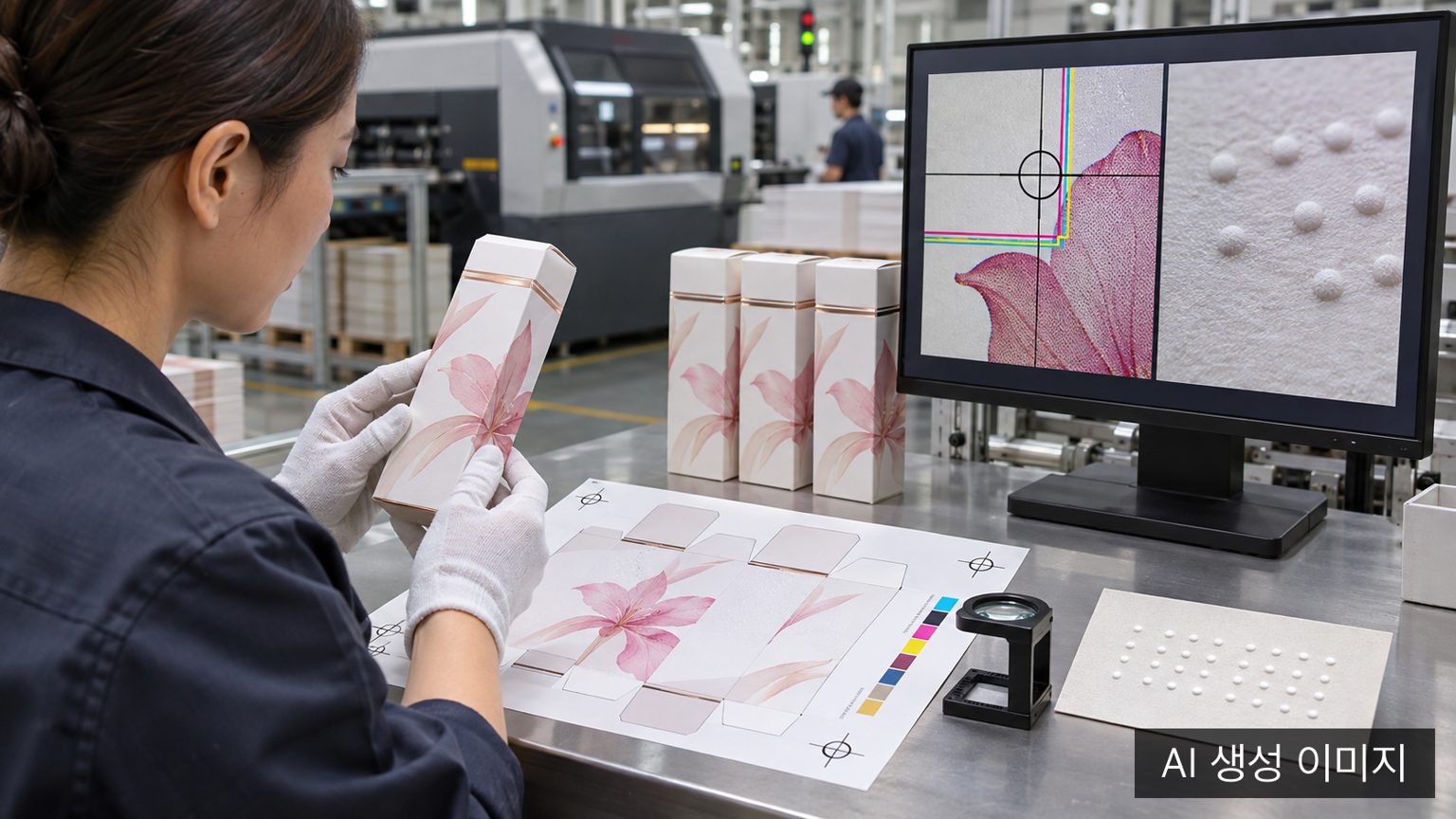
Hold point before production
If approved transcription, final pack placement or tactile testing on the actual pack is missing, hold the production sign-off. These are editorial quality-control questions, not a legal conformity decision.
About the Author
PackingMaster: PaperPackLog editor. We interpret public paper-packaging information for purchasing, quality and shop-floor practice.