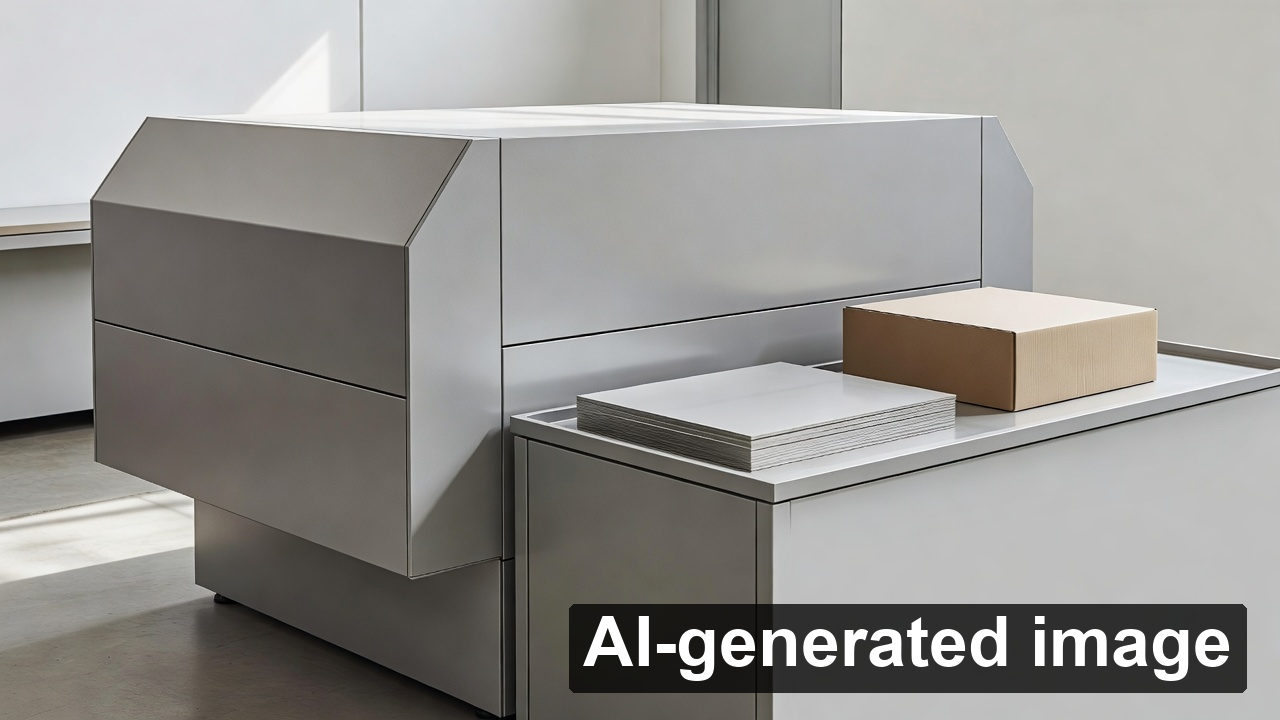
In its September 2026 issue, Printing Korea reported that Deogyu Culture Packaging signed a new contract for a Suprasetter 106 computer-to-plate (CtP) system at Heidelberg’s K-PRINT 2026 booth on August 19. CtP produces the printing plates at the prepress stage of packaging production. A contract announcement does not itself establish installation or commercial production.
The useful question is not merely which machine was ordered. It is which approved file becomes which plate, and which press job receives it. No measured lead-time or defect improvement has been verified for this contract in the materials reviewed. The operating checks below are an editorial framework, not a description of Deogyu’s confirmed shop-floor practice.
Separate the contract report from the technology description
Printing Korea describes Compact Pallet Loader (CPL) and Auto Pallet Loader (APL) units in the reported configuration, as well as supplying plates of different formats. But the article’s headline wording about adoption, its report of a contract, and later wording about owned equipment are not interchangeable completion records. The materials reviewed do not independently establish an installation date, passed commissioning, the first commercial job or Deogyu-specific production rates.
In an August 6 exhibition release, Heidelberg Korea describes a Suprasetter 106 demonstration connecting CPL and an automatic bending unit to plate supply, imaging and bending. That is the manufacturer’s general technology proposition, not independent evidence of every accessory installed at Deogyu, its commissioning or its achieved output.
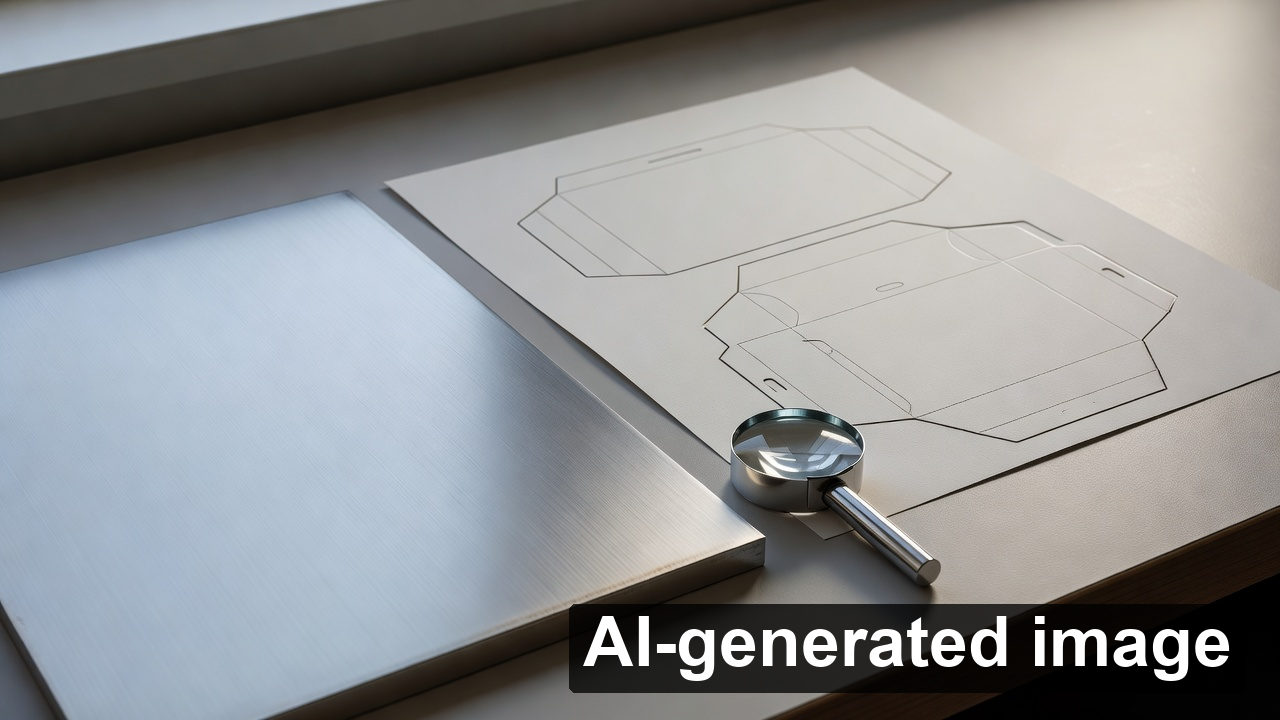
Where plate output meets delivery performance
A packaging order’s schedule is not set by the CtP engine alone. The final approved file version, plate format and job number, press allocation, registration and colour checks, and finishing release must agree. Automated plate handling might help preparation, but it cannot automatically remove a bottleneck at a press or finishing operation.
To test the effect, connect the file approval → plate output → press handoff timestamps and record errors or remakes for the same job. Before printing starts, match the plate identifier to the approved version and keep the order identity through finishing. That makes waiting time observable by stage. None of this is a claim that the company has implemented this exact procedure.
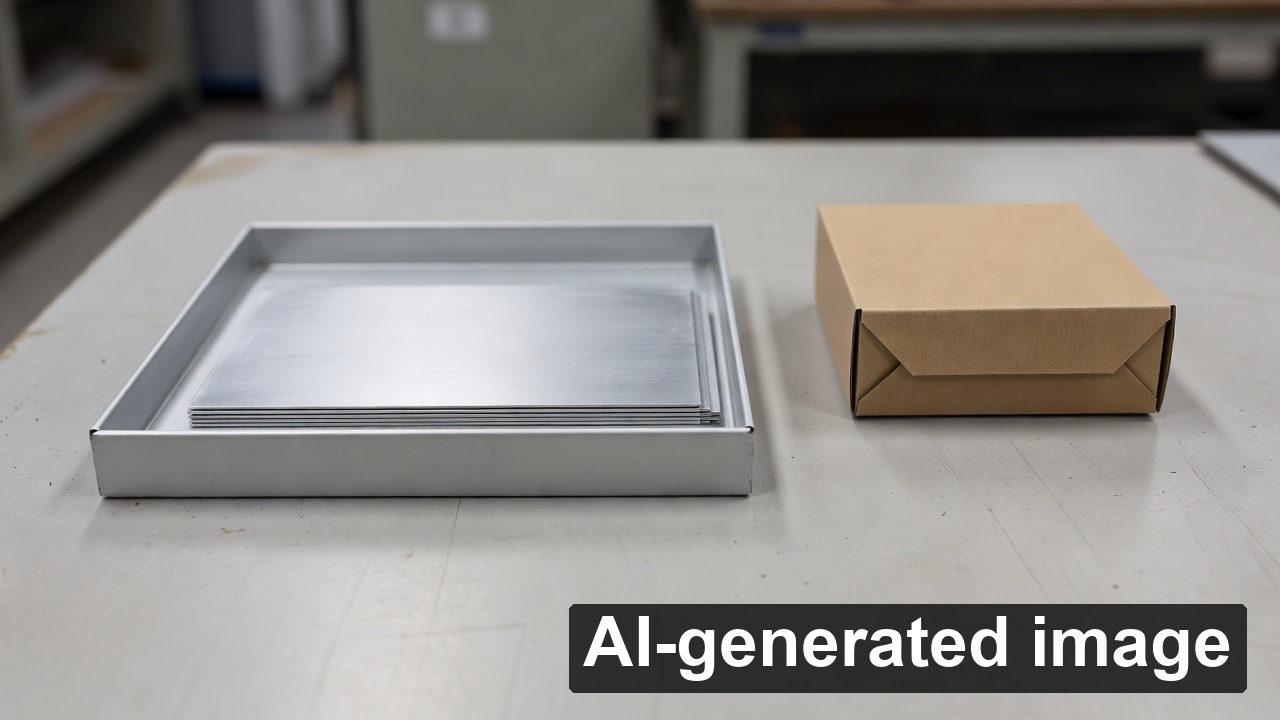
A plate-to-press handoff check — editorial framework
- Contract and installation: Record contract announcement, physical delivery, acceptance and first commercial job as separate dates. Leave an unsupported stage unverified.
- File and plate: Link the approved file version, plate size, plate identifier and reason for any remake to the job order.
- Press handoff: Distinguish when plates were received from press changeover and colour or registration approval.
- Evidence of an outcome: Compare comparable jobs before and after a commissioned installation, including plate waiting, press and finishing queues, and rework. Without such records, do not claim a proven delivery-time gain.
These are questions for post-installation verification, not legal requirements or a certified test. A company interview in a trade publication and a manufacturer’s exhibition description cannot be added together as a measured result at one plant. What is supported today is the reported contract and the equipment’s general purpose; installation and actual delivery results need their own evidence.
About the Author
PackingMaster: PaperPackLog editor, covering packaging materials, market developments and practical technical guidance for the paper-converting industry.