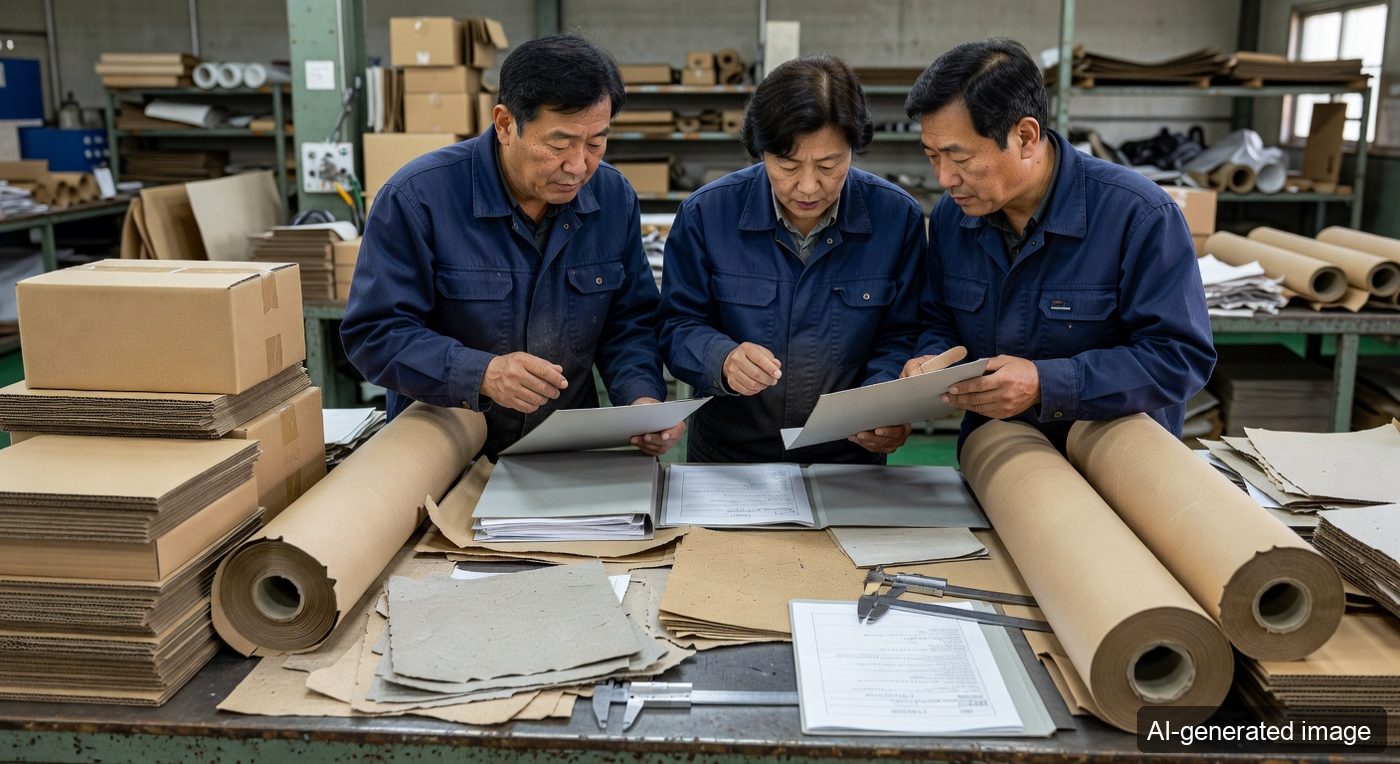
Paper packaging often has a clearer sustainability story than plastic packaging. Corrugated boxes, kraft paper, and paper cushioning are familiar materials, and customers usually understand how paper can be separated for recycling.
That does not mean every environmental claim is automatically safe. In Korea, environmental labeling and advertising rules can still apply when a claim may mislead customers, lacks evidence, or blurs the difference between a whole package and one component. B2B packaging suppliers should check wording before it appears in proposals, catalogs, websites, product labels, or ESG materials.
Separate Material Facts from Environmental Claims

A practical first step is to divide wording into two groups.
The first group is material facts: corrugated box, paper cushioning, kraft paper packaging, recycled paper content, or molded paper insert. These statements still need to match the actual material, component, and recycled-content scope.
The second group is environmental claims: eco-friendly, recyclable, biodegradable, non-toxic, low-carbon, plastic-free, or sustainable. These claims require more caution because they imply environmental superiority beyond the material name itself.
Before using a claim, ask:
- Does the wording refer to the whole package or only one component?
- Is there evidence such as a test report, certificate, supplier declaration, or material specification?
- Is the package recyclable in the relevant local collection and recycling system?
- Do coatings, adhesives, laminates, printing, or attachments affect recyclability?
- Could the customer reuse the wording in its own marketing without creating a misleading impression?
Claims That Need Extra Care
1. Eco-friendly
This is the broadest and riskiest expression. It does not explain whether the benefit comes from recycled content, plastic reduction, easier recycling, lower emissions, certified fiber sourcing, or something else.
Instead of using “eco-friendly packaging” by itself, it is safer to describe the actual basis: “paper-based packaging,” “a structure that reduces plastic cushioning,” or “corrugated packaging using recycled-content paper where applicable.”
2. Recyclable
Paper packaging is not always easy to recycle. Waterproof coating, plastic lamination, aluminum layers, strong adhesives, metallic parts, or mixed materials can create problems in recycling. If you say “recyclable,” specify which component is recyclable and under what disposal conditions.
3. Biodegradable or compostable
These claims depend on test conditions and processing facilities. A paper component may break down under certain conditions, but inks, coatings, adhesives, and real disposal environments can change the result. Avoid wording that suggests the package will simply disappear in nature.
4. Chlorine-free, non-toxic, or safe
These phrases also need scope. Pulp bleaching method, chemical non-detection, food-contact suitability, and general safety are different issues. One test report rarely supports every possible “safe” claim.
Evidence to Prepare for B2B Proposals
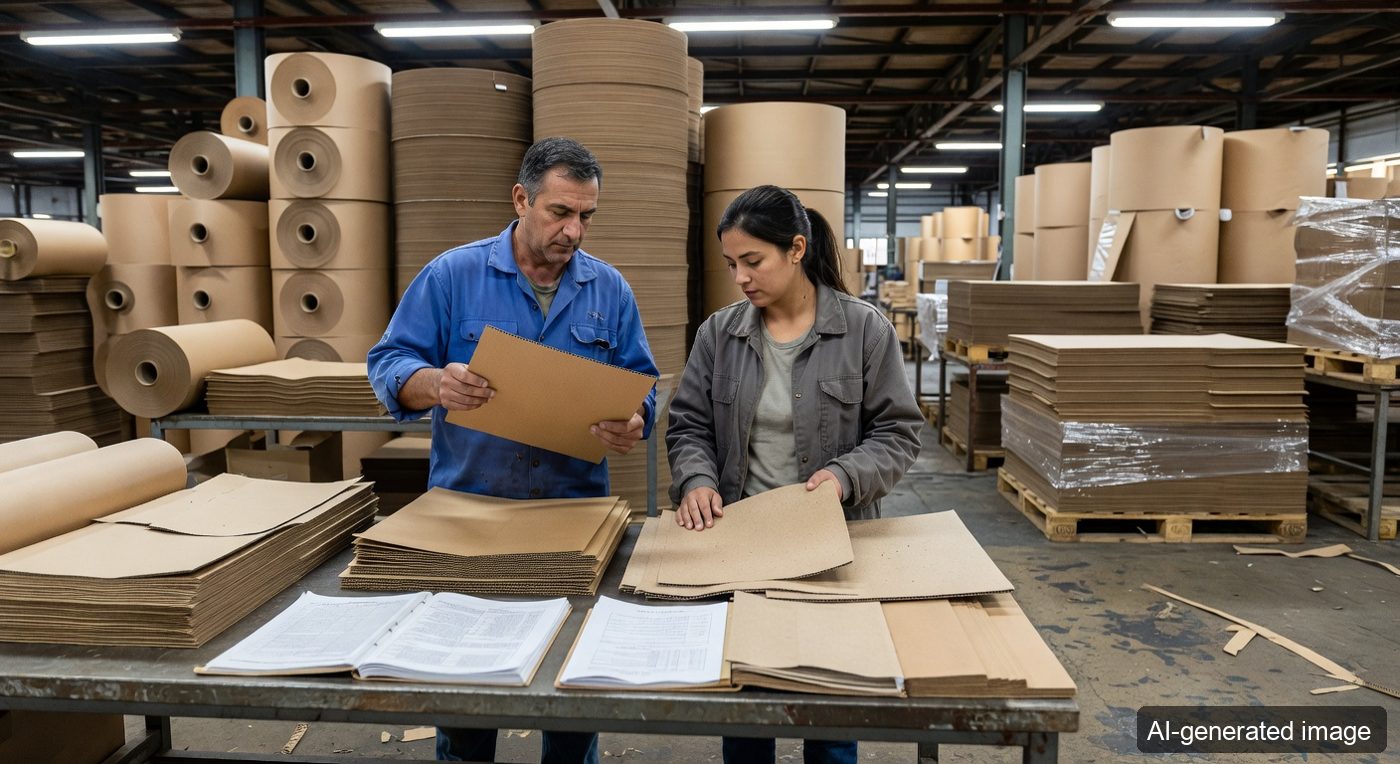
B2B packaging claims may look less public than consumer advertising, but customers often reuse supplier wording in their own product pages or ESG documents. Preparing an evidence set early reduces confusion later.
Useful evidence includes:
- Material composition: paper grade, corrugated board type, coating, lamination, and attachments
- Recycled-content information: whether recycled material is used, in which component, and at what ratio
- Certification scope: FSC, PEFC, or other certification coverage and validity period
- Test reports: hazardous substances, food contact, strength, or recyclability where relevant
- Disposal guidance: how each component should be separated and whether tape, labels, or inserts should be removed
- Approved claim language: wording customers may reuse and wording they should avoid
FSC and PEFC certification are valuable trust points for fiber sourcing and chain-of-custody management. They do not automatically mean the entire package is recyclable, carbon neutral, or environmentally superior in every respect.
Safer Wording Examples
The goal is not to remove every environmental message. The goal is to narrow the claim and connect it to evidence.
- “Eco-friendly packaging” → “Paper-based packaging designed to reduce plastic cushioning”
- “100% recyclable” → “Uncoated paper components can be separated as paper according to local disposal rules”
- “Low-carbon packaging” → “Packaging design that reduces plastic cushioning compared with the previous structure”
- “Biodegradable packaging” → “Use only with verified biodegradation or compostability evidence and stated test conditions”
- “FSC eco packaging” → “Paper packaging option using FSC-certified material within the certified scope”
The most important discipline is to state what, where, and under what condition the claim is true.
Checklist Before Publishing Packaging Claims
Before finalizing proposal or marketing copy, check:
- Are broad expressions such as eco, green, sustainable, or environmentally friendly used without explanation?
- Does the wording describe the whole package when only one component qualifies?
- Have coating, lamination, adhesives, labels, and printing been checked for recycling impact?
- Does the certification scope match the actual product being supplied?
- Does each claim have supporting evidence?
- Can the customer reuse the wording without creating a misleading impression?
- Are strong terms such as 100%, complete, harmless, zero, or carbon neutral fully supported?
Closing
Paper packaging has real advantages. It can reduce plastic cushioning, fit familiar recycling streams, and support customer ESG requirements. But broad environmental wording can create greenwashing risk if it is not tied to evidence.
Good packaging marketing does not rely on one large “eco-friendly” label. It explains the material, certification, recyclability, and disposal conditions clearly enough for customers to verify. For paper packaging teams, that clarity is often the safest and most credible message.
About the Author
PackingMaster: Editor of Paper Pack Log. We collect and explain market trends, product information, and technical insights from the paper packaging industry.
References
- Ministry of Environment, Environmental labeling and advertising policy material, https://me.go.kr/home/web/policy_data/read.do?menuId=10260&seq=8155
- Korea Law Information Center, Notice on environmental labeling and advertising management, https://law.go.kr/LSW/admRulLsInfoP.do?admRulSeq=2100000175410
- FSC, Claims and labels overview, https://fsc.org/en/fsc-labels