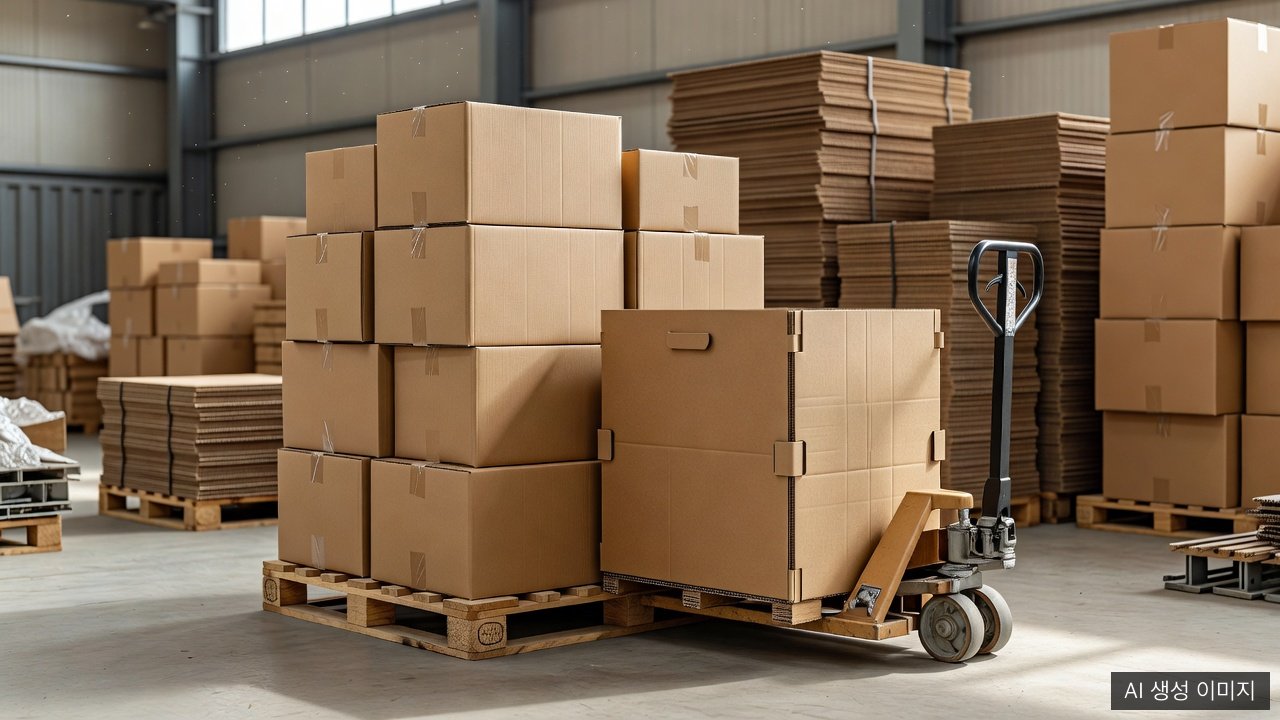
Wooden pallets and crates remain the default for many industrial shipments. They are strong, familiar to forklift operators, and proven in long storage and export transport. But not every heavy or bulky shipment needs wood. When product weight, storage time, humidity, handling method, and customer requirements line up, foldable box pallets and heavy-duty corrugated structures can become a practical alternative.
Recent industrial packaging awards and case studies show corrugated structures moving beyond ordinary parcel boxes into industrial parts, electronics, and export packaging. The real question is not “paper versus wood” but how much load and handling risk a designed structure can actually manage.
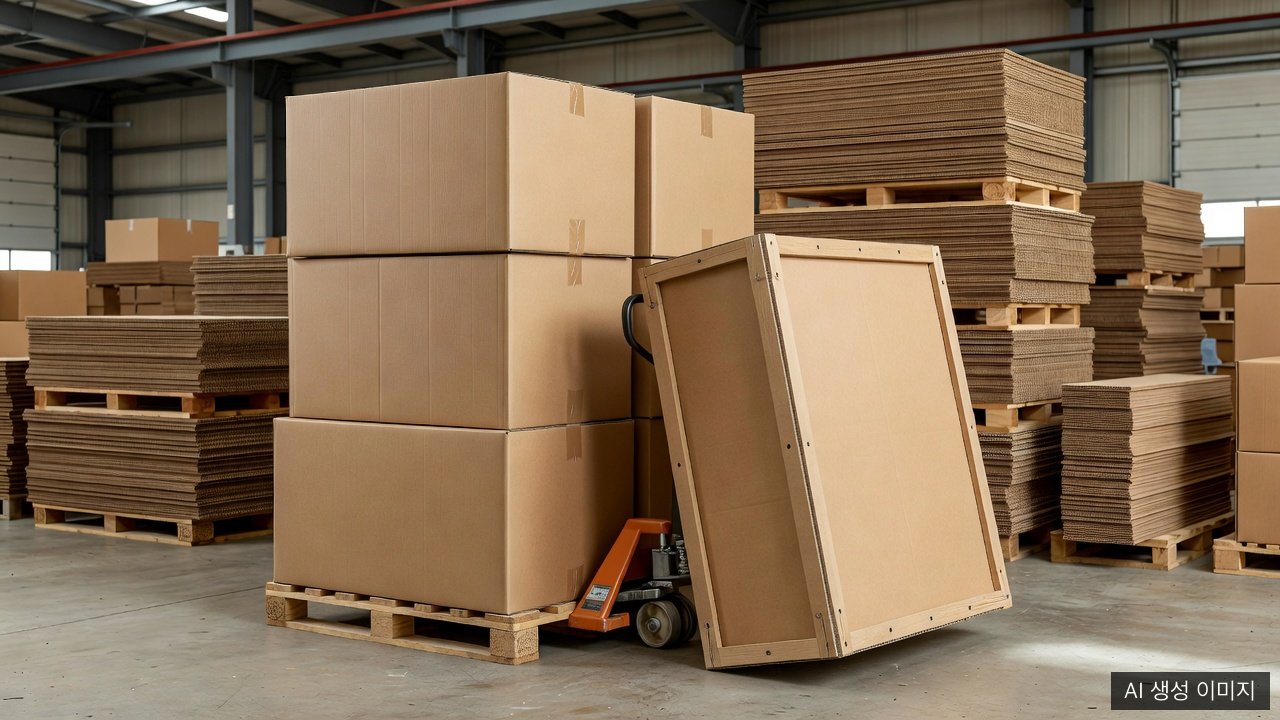
Where Foldable Box Pallets Work Well
Foldable box pallets are useful when storage and rotation matter. They can be stored flat before use, opened for packing, and then handled as a palletized unit.
They are most promising when:
- the product weight is within the tested structural range;
- the load is distributed instead of concentrated on one small point;
- storage is mainly indoors and transport time is limited;
- teams want to reduce nails, splinters, dust, or wood-treatment issues;
- packaging inventory space is tight;
- end customers care about disposal and recycling convenience;
- the same or similar product sizes ship repeatedly.
Electronics, assembly parts, light industrial goods, and large consumer products are common areas worth reviewing. The fit depends less on the product category and more on the actual load path and handling environment.
Heavy-Duty Corrugated Is Structural Design
Heavy-duty corrugated packaging is not simply a thicker box. The design needs to define where load sits, how forklifts or pallet jacks enter, whether the product moves inside the package, and how much top-load the pack will see in storage or container loading.
Key design points include:
- Load distribution: if weight sits on one small footprint, corrugated can crush. Pads and support structures need to turn point load into area load.
- Edge protection: drops and impacts concentrate around corners and edges. Internal supports often matter more than the outer box.
- Compression strength: stacking in warehouses and containers needs to be calculated and tested.
- Handling direction: forklift, pallet jack, manual handling, and conveyor contact all create different risks.
- Humidity exposure: corrugated is sensitive to moisture, so storage and transport conditions must be understood.
If the design ignores those points and only says “paper replaces wood,” the package is likely to fail. Structural design and testing come first.
Where Wood Is Still Safer
Foldable box pallets and heavy-duty corrugated are not universal replacements. Wood, plastic, metal racks, or hybrid packs may still be better when:
- the product is very heavy and concentrates load in a small area;
- long outdoor storage or high humidity is expected;
- rain, condensation, chilled storage, or long ocean transport is significant;
- sharp metal edges or oil can damage the paper structure;
- a stable returnable packaging system is already in place;
- the customer specification requires wood or a specific material.
Export packaging also needs a regulatory check. Wood may require ISPM 15 treatment, but some customer facilities are also designed around wooden-crate handling. Both sides of the trade-off need to be reviewed.
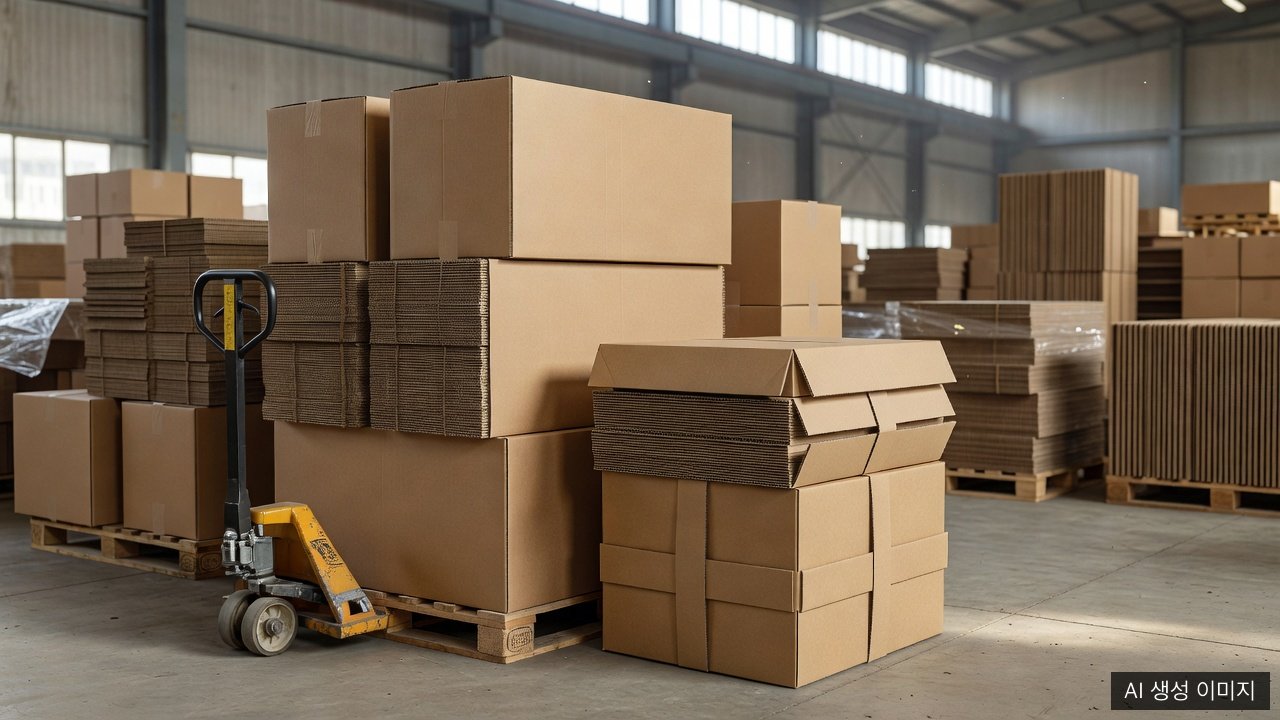
Tests Before Rollout
A sample should be tested under the actual logistics conditions before rollout. Desk calculations are not enough for heavy-duty corrugated.
Recommended tests:
- static compression test;
- edge and face drop tests;
- forklift or pallet-jack handling test;
- vibration test;
- compression after humidity exposure;
- container-loading stability check;
- customer-site unpacking and disposal check.
If the first sample fails, the answer is not always to abandon corrugated. Reinforcement position, inner pads, base support, and board combination can often be adjusted. Heavy-duty corrugated performance changes significantly with structure.
Total Cost, Not Just Unit Price
Comparing wood and corrugated only by unit packaging price can lead to the wrong decision. Total cost is the better lens.
Compare:
- packaging material price;
- storage volume and inventory space;
- assembly time and operator skill required;
- disposal and separation cost;
- damage and claim cost;
- shipping volume and load efficiency;
- export treatment and paperwork burden.
A foldable structure can cost more per unit but still win through storage, handling, or disposal savings. On the other hand, for very heavy items, long ocean freight, or repeated rough handling, wood may remain the better economic answer.
Conclusion
Foldable box pallets and heavy-duty corrugated packaging are not automatic replacements for wood. They are a strong option when the load is distributed, the route is controlled, storage is mostly indoors, and disposal or storage-space benefits matter.
The key is to define the application boundary. Product weight, load distribution, humidity, handling method, and customer specifications should be reviewed first, then validated with physical samples. When that process is followed, corrugated can become a structural material for industrial logistics rather than just a shipping box.
About the Author
PackingMaster: Editor of PaperPackLog. Curates market trends, product information, and technical insights for the paper-packaging industry.
References
- PaperPackLog, “Can Car Bumpers Ship in Corrugated?” — /en/posts/automotive-heavy-duty-corrugated-bumper-packaging/
- 종이파렛트 – 대아산업 (주)