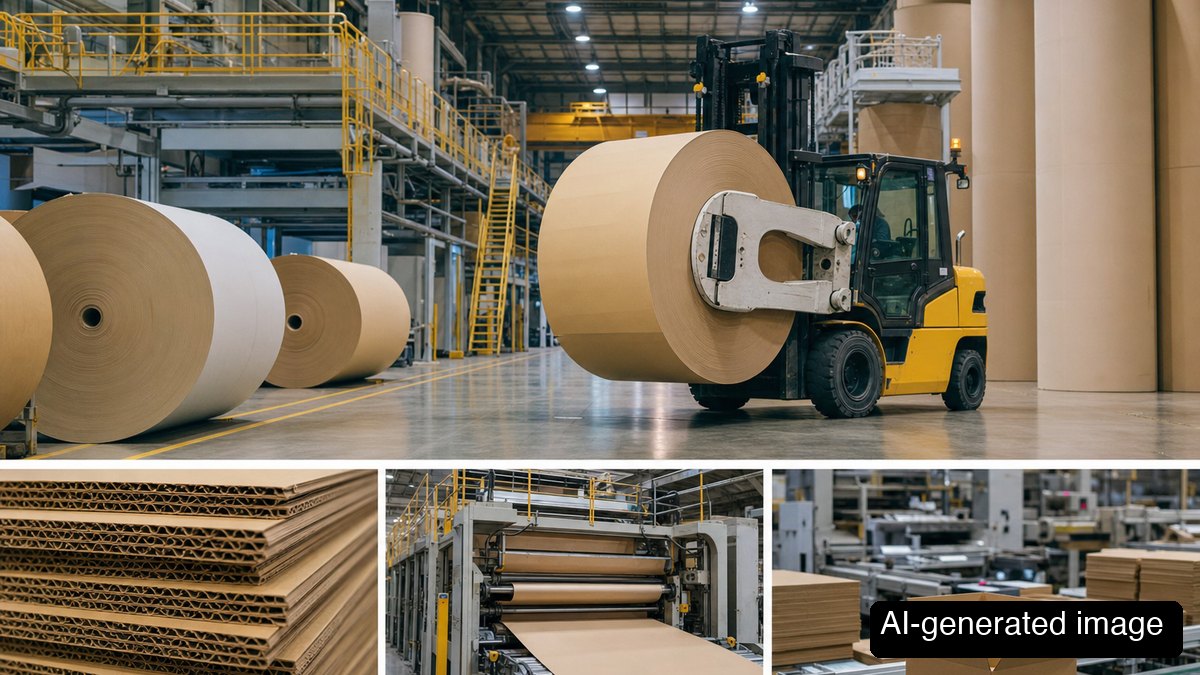
Global Sae-A’s paper affiliates are showing a notable rebound. According to Korean business media reports, the group’s paper businesses recorded 904 billion won in revenue and 73 billion won in operating profit for the first five months of 2026. Revenue rose about 7% year on year, while operating profit more than doubled.
The story is not only about one group’s earnings. For corrugated packaging buyers, the more useful question is this: what does the rebound say about containerboard supply strategy and mill-to-box vertical integration?
Product mix matters more than headline volume
The reports point to production restructuring. Taelim Paper has focused on high-strength liner and medium-to-heavy basis weight products, while Jeonju Paper has shifted more toward containerboard, lightweight grades and specialty products.
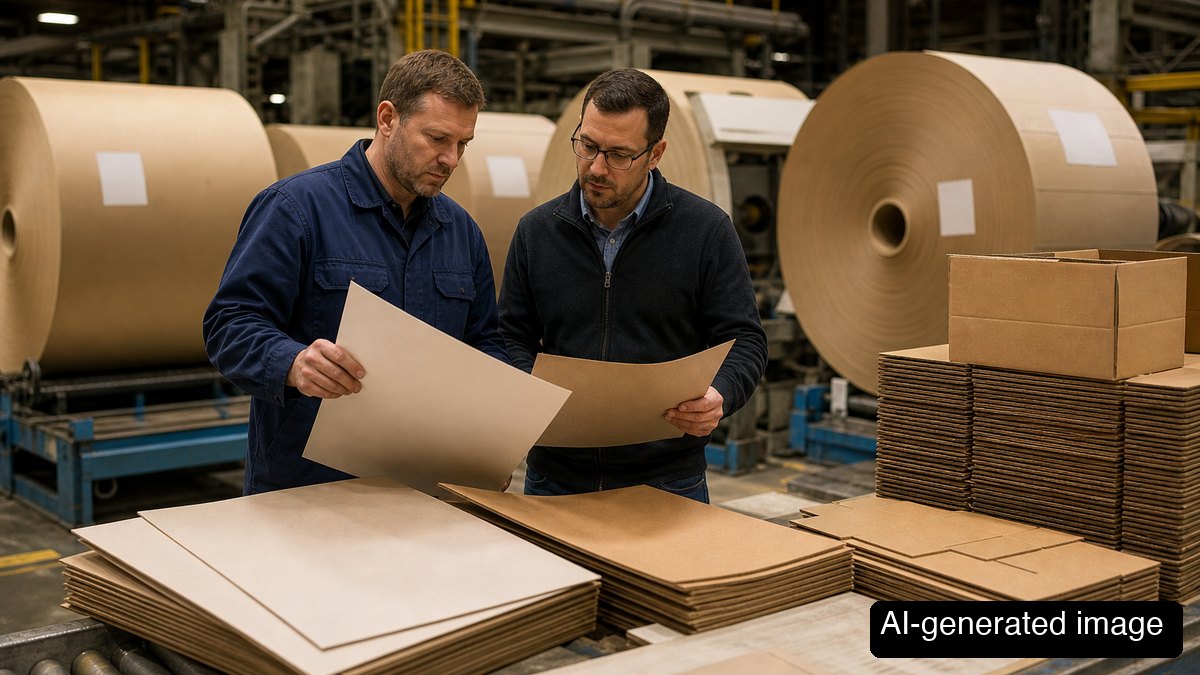
This matters because buyers do not purchase “paper” in the abstract. They purchase approved grades, basis weights, flute combinations and box specifications. If a supplier improves profitability by changing its product mix, the availability and price behavior of specific grades can change.
Vertical integration reduces one risk and creates another
A group that controls containerboard, sheet converting and box production can respond quickly when the market tightens. Internal coordination may improve production stability, logistics and cost control. That is the positive side of vertical integration.
The other side is concentration risk. When a supplier has influence across mill, sheet and box stages, changes in upstream strategy may move faster into downstream quotations. A containerboard price move can become a sheet price move and then a box price move through the same commercial channel.
For buyers, a large integrated supplier can be both safer and harder to replace.
What buyers should check now
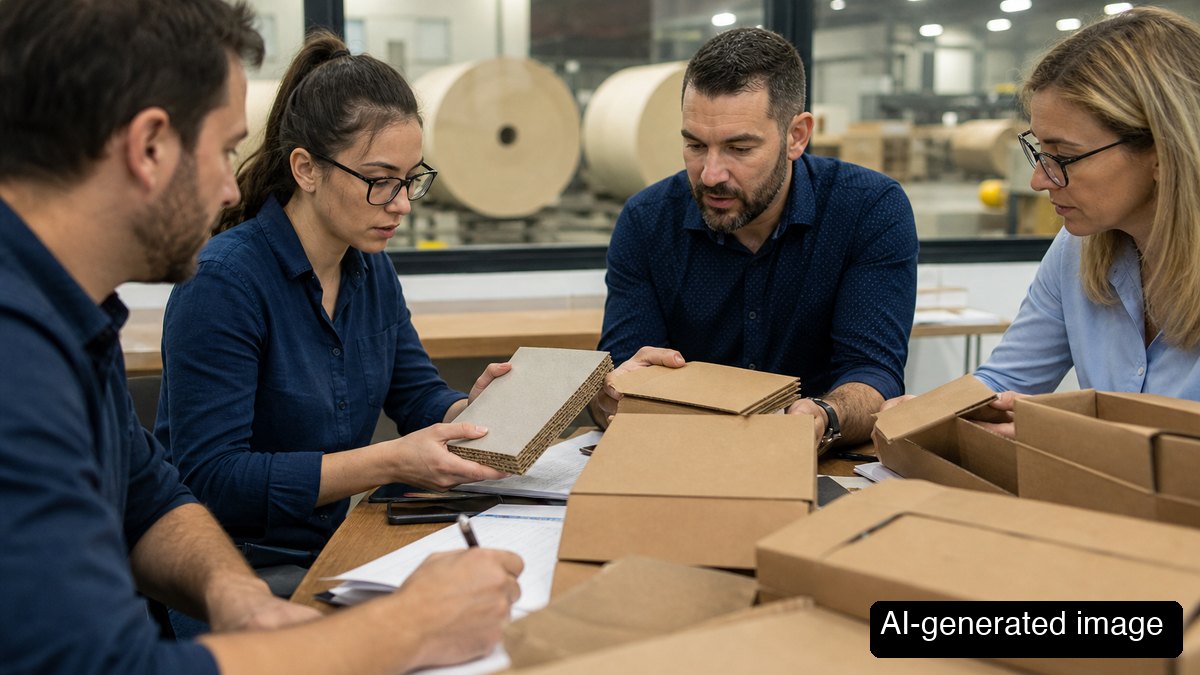
Packaging and procurement teams should review:
- which mills and grades support their key box specifications;
- whether lead times differ by heavy, light or specialty grades;
- how containerboard price adjustments flow into sheet and box quotations;
- quotation validity periods and mid-month adjustment clauses;
- whether alternate suppliers have approved samples for critical SKUs;
- minimum order quantities and delivery commitments during peak season.
The practical point is not to avoid integrated suppliers. It is to understand where the buyer is relying on a single upstream decision.
Closing thought
Global Sae-A’s earnings rebound is a positive signal for Korea’s paper and corrugated market. It also shows that suppliers are actively reshaping product mix and production roles. For packaging buyers, risk management should start with supply structure, not just the latest price list.
About the Author
PackingMaster: Editor of Paper Pack Log. We track paper packaging market trends, product information and technical insights for packaging professionals.
References
- Chosun Biz, “Global Sae-A paper affiliates report 73 billion won operating profit through May”, https://biz.chosun.com/industry/business-venture/2026/06/15/QSVLGS3TANB4TF5CA4VMEP4XIU/?outputType=amp
- TopDaily, “Global Sae-A changes the paper landscape as paper business rebounds”, https://www.topdaily.kr/articles/110535