Operational problem
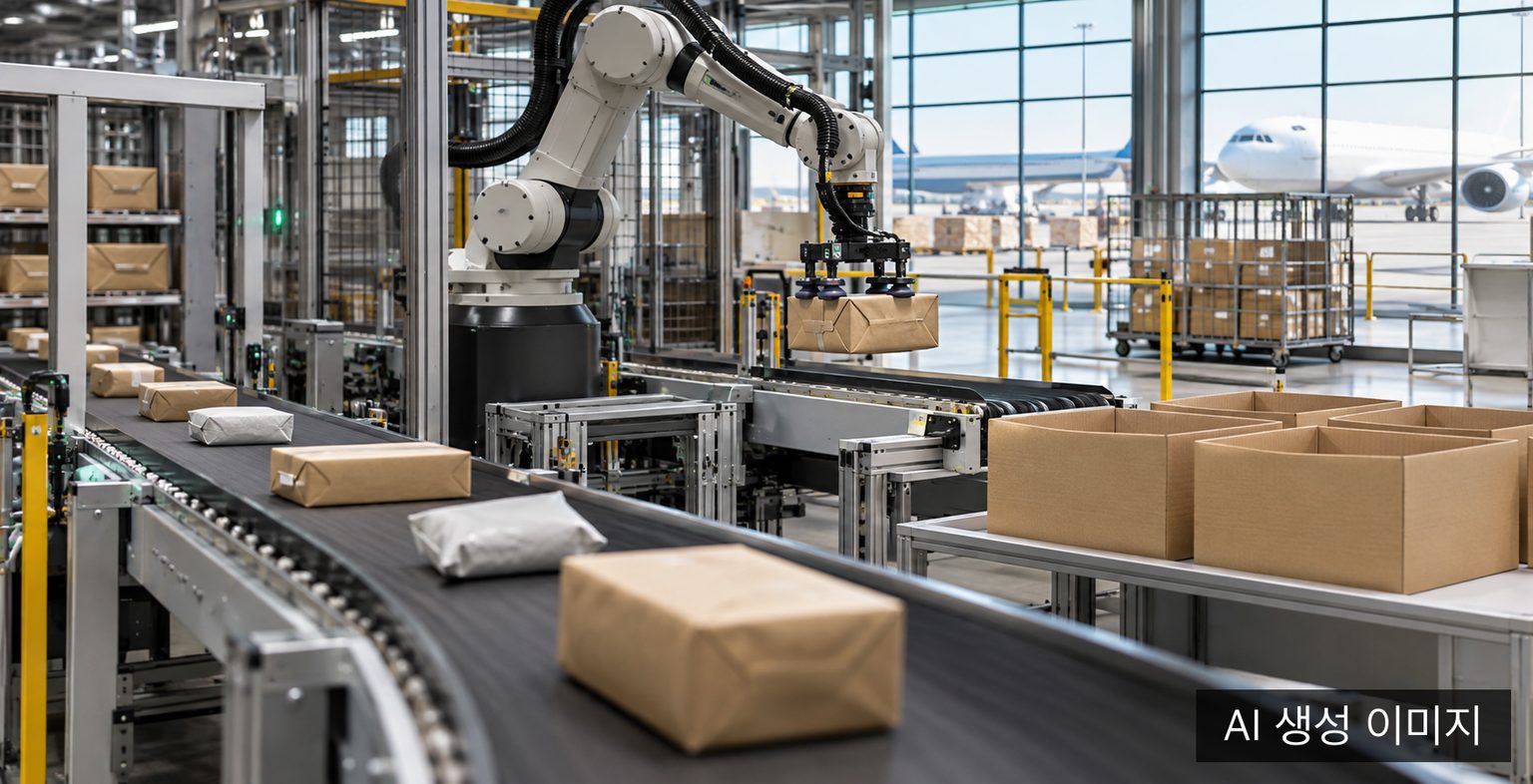
On November 2, Hyundai Glovis announced approval for an express-import customs clearance area at its Incheon Airport Logistics Center. The new approval concerns the first-floor import operation. The export e-commerce sorting, robotic picking and same-day packing functions on floors three and four were described as already operating. The import approval should not be presented as a new export-packing installation.
Evidence to check
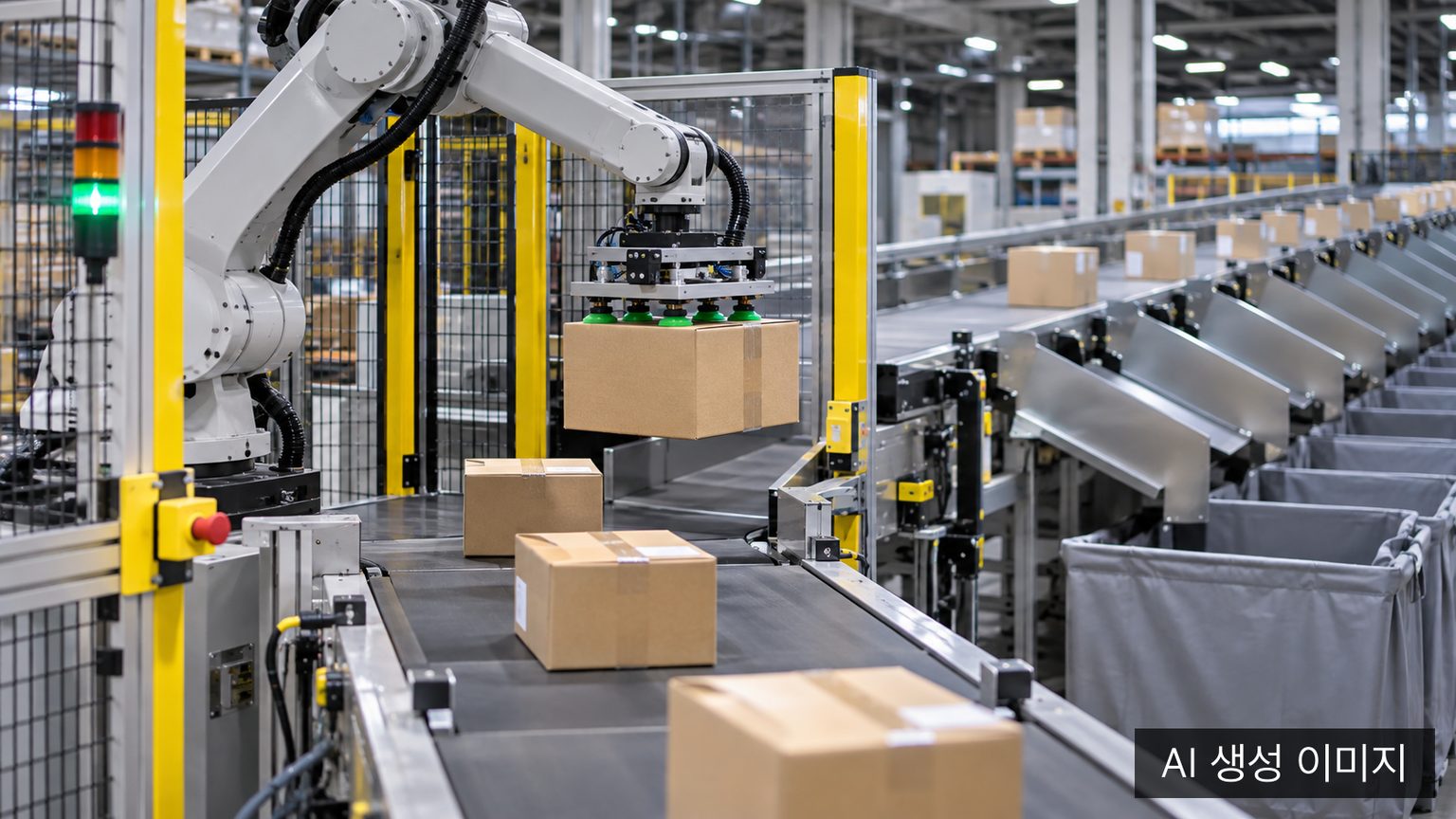
Reports describe 20 sorting conveyors directing export orders by country, region and carrier before robotic picking and packing. They do not disclose the carton size range, board grade or compression specification, cushioning, sealing method, label placement and scan performance, packing-machine model or measured export throughput. The reported more than one million parcels per month concerns capacity of the first-floor import customs area, not export-carton output.
Practical output
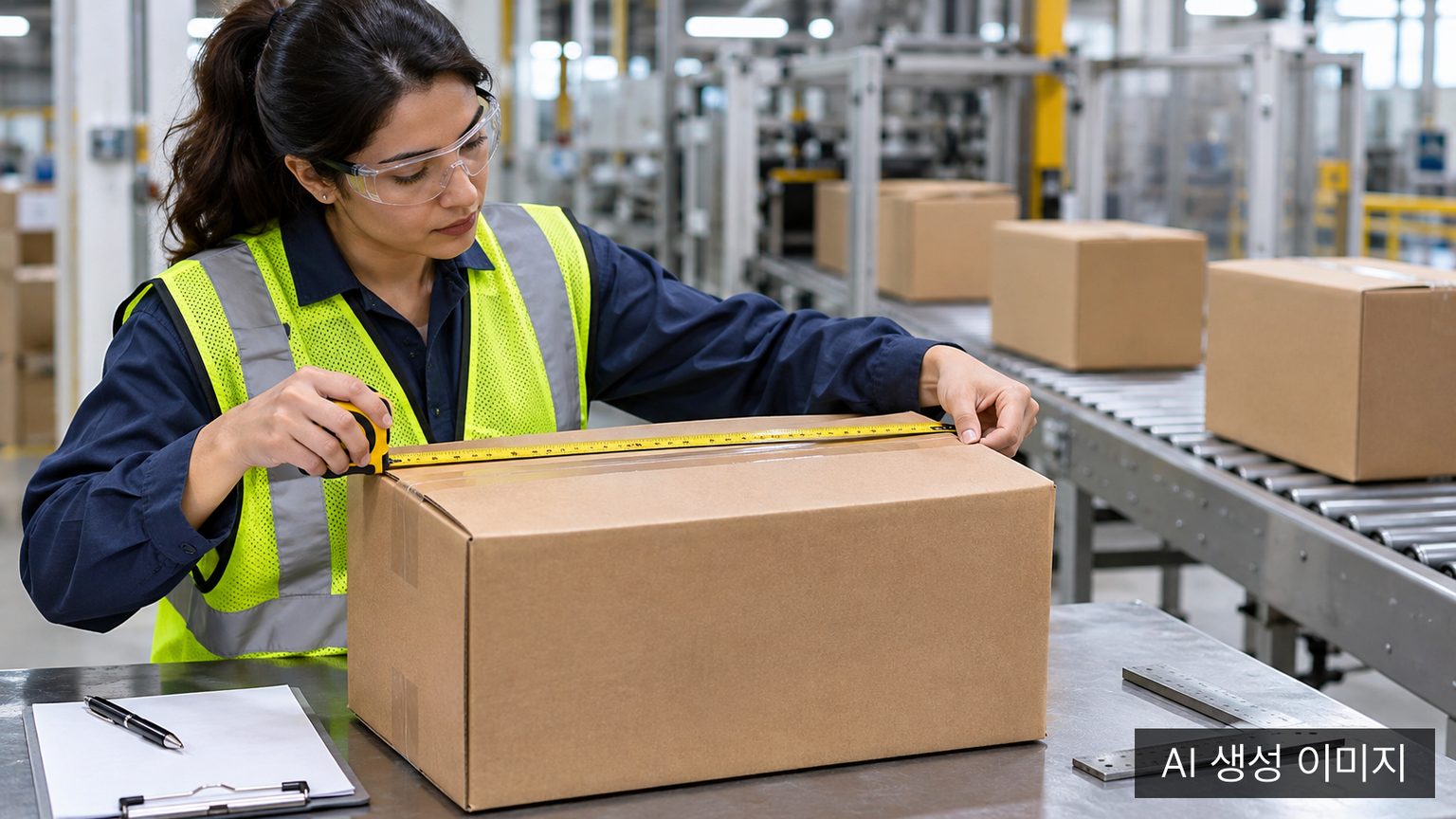
Before proposing cartons, suppliers should request order combinations, minimum and maximum dimensions, weight, damage risks and destination-specific marking rules. They should then test tolerances, scan faces, seals and stacking across the conveyor, robot and air-freight stages using real order mixes. These are editorial verification questions, not specifications released by Hyundai Glovis.
Hold conditions
No named carton supplier, box specification, label-pass rate or paper-packaging order volume was established by these reports. Do not claim confirmed performance without the company’s specifications and site measurements.
About the Author
PackingMaster edits PaperPackLog, interpreting public packaging-industry information for purchasing, quality and operations teams.