
A company certified to use Gyeonggi Province’s G-Mark on one food product cannot assume that the mark covers its other products. A November 2026 Gyeonggi Provincial Council release said that five of 11 non-compliance cases in that year’s follow-up checks involved G-Mark use on uncertified products; those five received warnings. Kyeonggi Ilbo reported a gap before company-produced packaging and stickers are printed: the mark’s product-level use is not checked through a pre-production submission process and errors may emerge only in later inspections.
For a packaging buyer, the decisive question is not whether the company holds a certificate. It is whether the exact product printed on this artwork is within the certificate’s scope.
The field problem
One case reported by Kyeonggi Ilbo involved a G-Mark-certified ginger product and a ginger-based tea. The business put G-Mark stickers on the tea, apparently extending the ingredient’s certification to the finished drink. The article reported two such findings in 2024, six in 2025 and five through the end of September 2026. These are reported findings, not a population-wide violation rate.
Shared label stock, derivative flavours and reused artwork can make the error hard to spot. A product’s sales name, internal SKU, print-purchase order and certified product name may diverge. The control steps below are editorial recommendations, not a claim that a new statutory pre-approval procedure already exists.

Evidence to check
Connect the following records through the same product code before releasing artwork or stock.
| Control point | Record to inspect | Action if inconsistent |
|---|---|---|
| Certification scope | Current certificate, product and validity period | Hold mark approval for the SKU |
| Print master | Artwork version, proof and approval date | Stop obsolete artwork and approve a new proof |
| Production order | Product name, SKU and pack format | Reconcile with label and print plate |
| Material inventory | Printed lot, quantity and location | Segregate unapproved stock and trace use |
Derivative products, processed foods made with certified ingredients and channel-specific SKUs need their own scope checks. The council criticised the fact that all five uncertified-product marking cases received warnings. That does not establish the likely sanction for a different case. Confirm the current certificate and the certification authority’s guidance when deciding use and corrective action.
Practical deliverable
Maintain a product-to-artwork approval register. Each row should link the certified product name, internal SKU, sales name, validity period, artwork and sticker versions, approver and effective date. Recheck that row whenever the product name, formulation, pack size or certified scope changes.
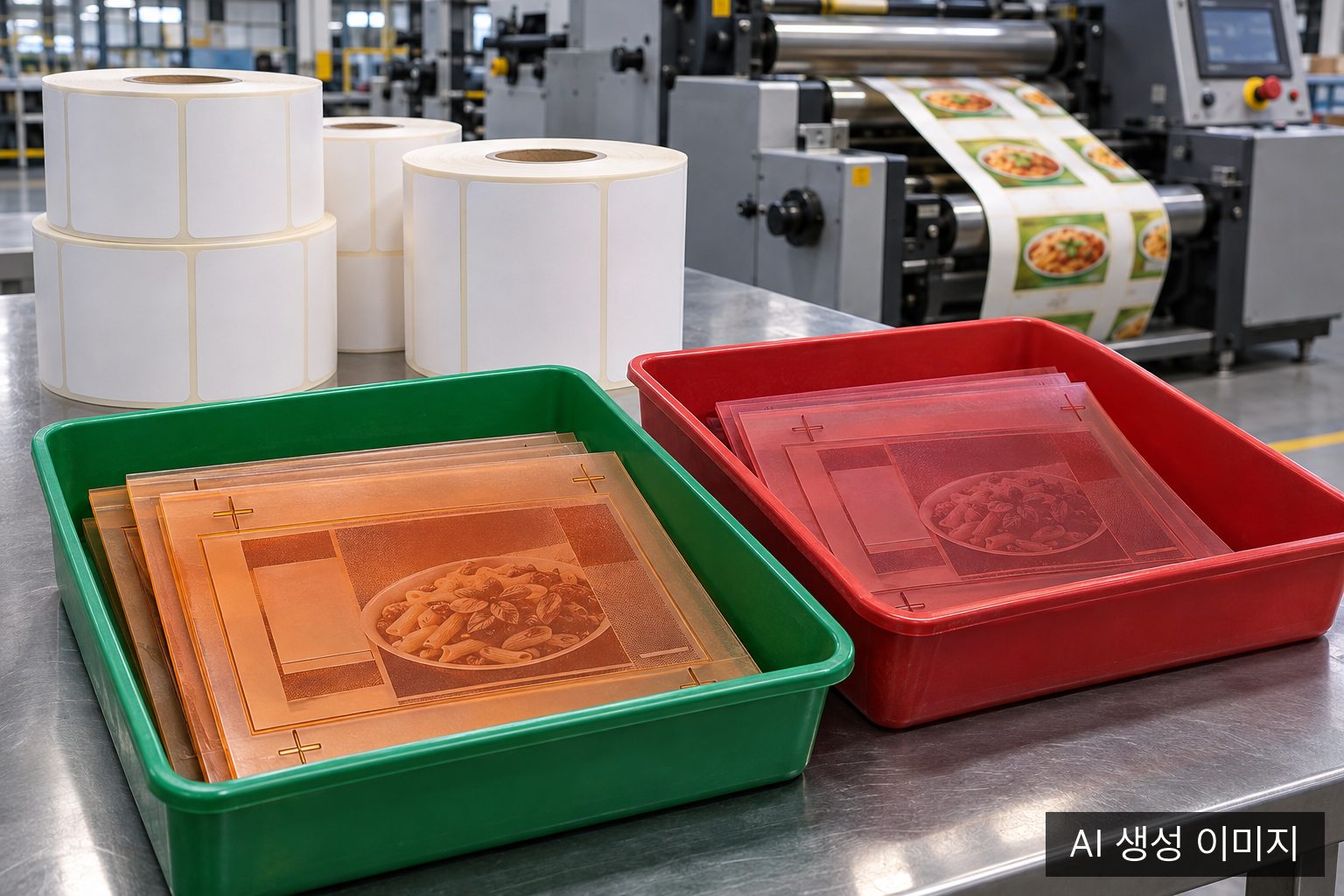
Before placing a print order, compare the proof with the certificate. At goods receipt, verify the approved version and delivered lot. During a line changeover, remove prior stickers and packaging and record which material lots went into which finished-goods lots. If a mismatch surfaces, this chain helps distinguish unused stock, work in progress and dispatched goods.
When to hold application
Hold G-Mark artwork if the finished product is not clearly named in the certificate or if its validity period, business name or product description does not match the current artwork. Ask the certification authority for a product-specific interpretation and retain the answer. Do not release already printed stock on an assumption; assess concealment, disposal or rework against current rules and authority instructions.
The failure mode is an authorisation boundary, not a print-quality defect. A product-level gate at artwork release can catch it before packaging enters production.
About the Author
PackingMaster: Editor of PaperPackLog. Covers market trends, product insights, and technology in the paper packaging industry.
References
- Gyeonggi Provincial Council, Vice Chair Go Eun-jeong calls for more effective G-Mark certification management, 11 November 2026.
- Kyeonggi Ilbo, G-Mark found on uncertified food products, 14 November 2026.
Sources checked 15 November 2026. The proposed control is operational guidance; no additional allegation or sanction is inferred.