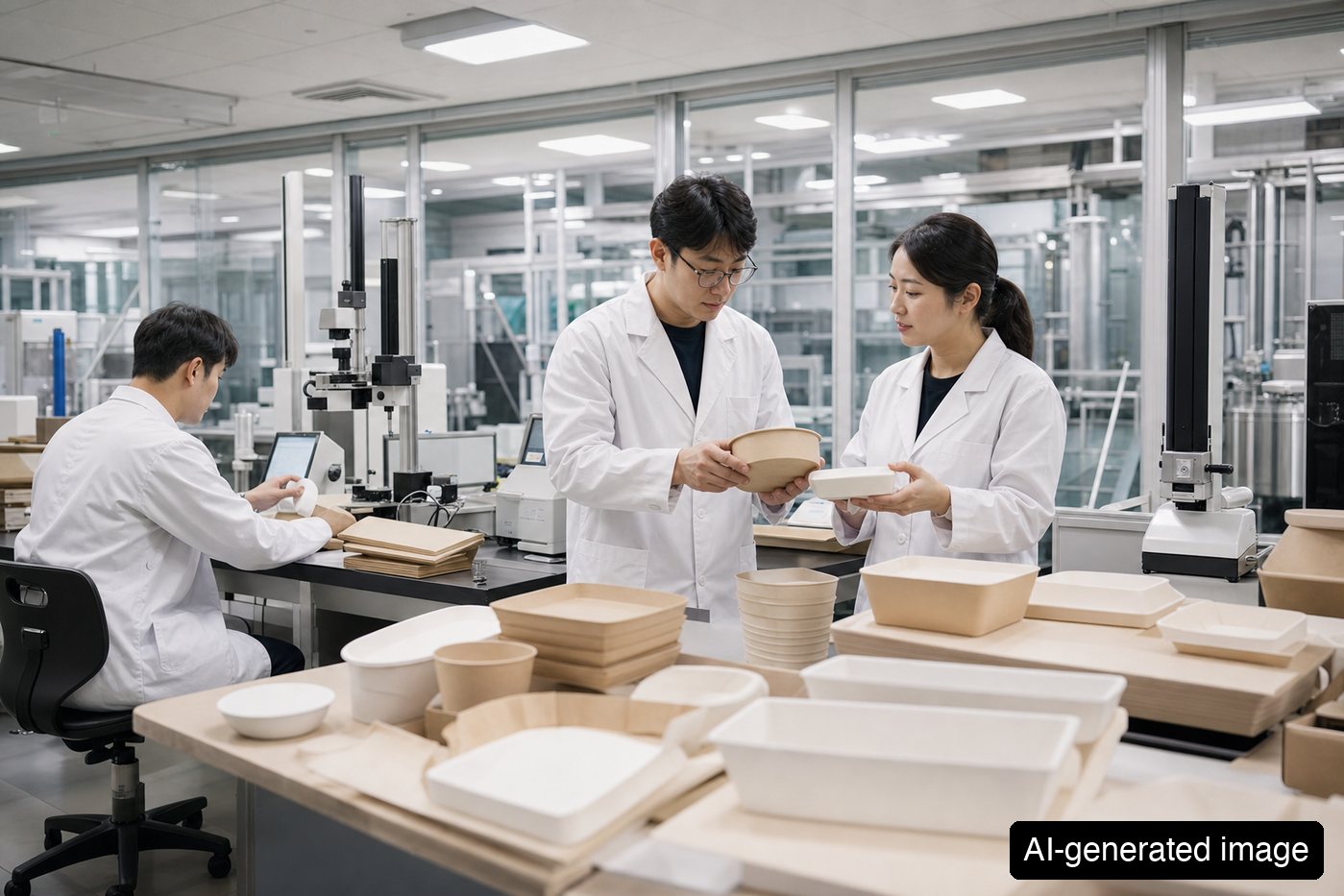
Recent Korean reports say Gongju is moving to attract an eco-packaging food-tech research support center. At first glance, this may look like a regional development story. For B2B paper packaging suppliers, however, it is a signal that sustainable food packaging will increasingly be judged by testing, application data and practical support.
Food packaging is harder to change than many buyers expect. A package has to protect the product, run on filling equipment, keep print quality, survive distribution and support recycling instructions. A research support center can help connect material development with real application tests.
Sustainable food packaging needs test plans, not slogans
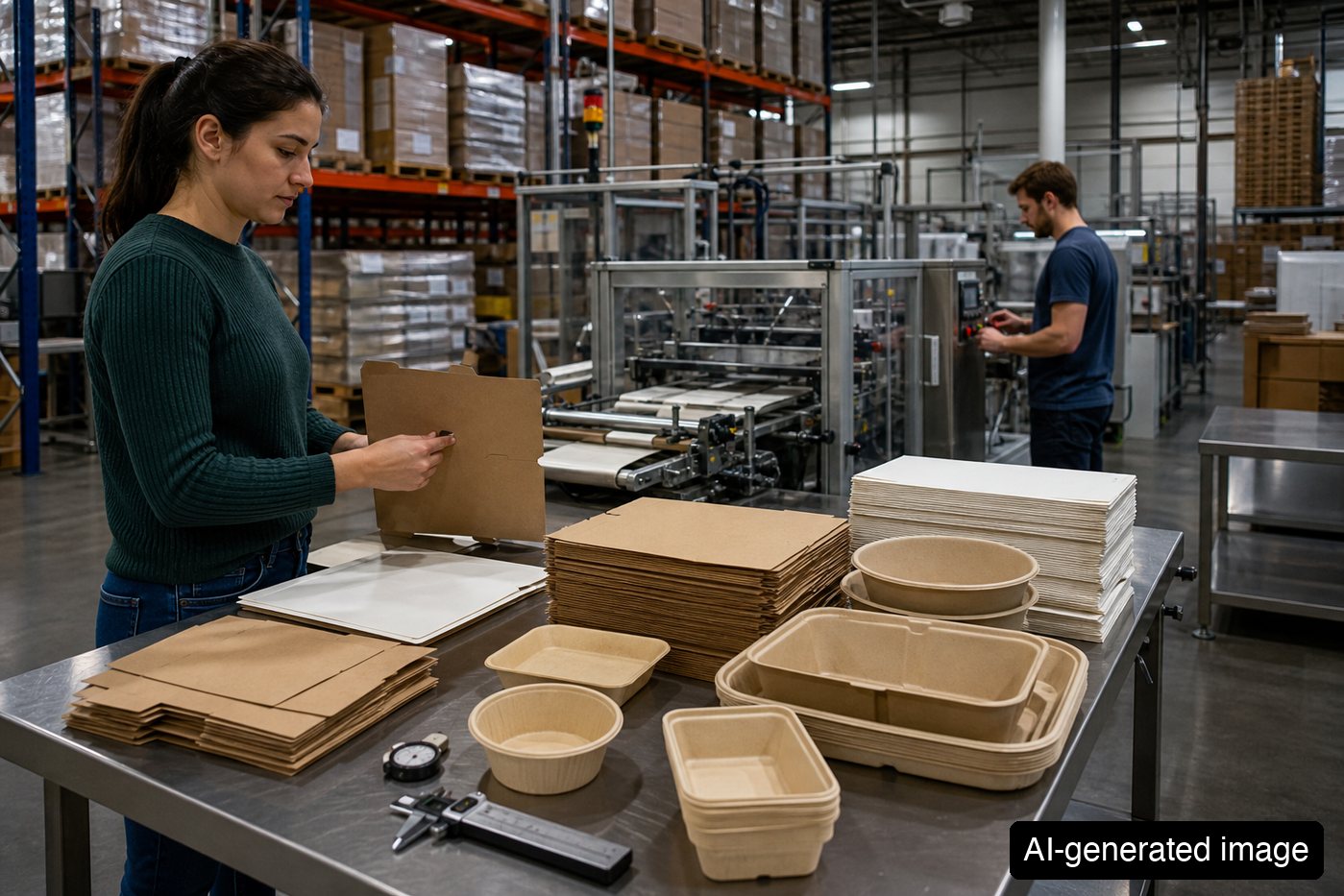
The phrase “paper-based” is not enough. Before a food brand changes packaging, it needs to understand:
- moisture, oil and oxygen barrier requirements;
- storage conditions such as chilled, frozen or ambient distribution;
- compatibility with filling and sealing equipment;
- the impact of coating and print layers on recycling claims;
- the correct disposal and labeling instructions.
For suppliers, the practical preparation is to define test questions by product category. A stronger proposal does not simply say that a material is sustainable. It explains what was tested and where the limits are.
How packaging suppliers can use a research hub
A local research hub could support packaging firms in three ways:
- joint trials with food brands;
- system-level proposals combining trays, cushioning, cartons and labels;
- evidence packages for recycling, labeling and export-market requirements.

Smaller packaging firms often cannot own every testing device. Shared infrastructure can help with sample validation, durability checks and customer-facing evidence. But the center itself will not create demand automatically. Suppliers need to bring clear application problems.
Proposals should show the verification route
A food packaging proposal should include more than material names and pricing. Useful documents should state the target food category, the function being replaced, test conditions, likely failure points and the basis for recycling or disposal guidance.
The Gongju news is local, but the lesson is broader: sustainable food packaging is becoming a data-based competition. Buyers will ask less about whether the material sounds sustainable and more about how it was verified for their product.
About the Author
PackingMaster: Editor of Paper Pack Log. We track paper packaging market trends, product information and technical insights for packaging professionals.