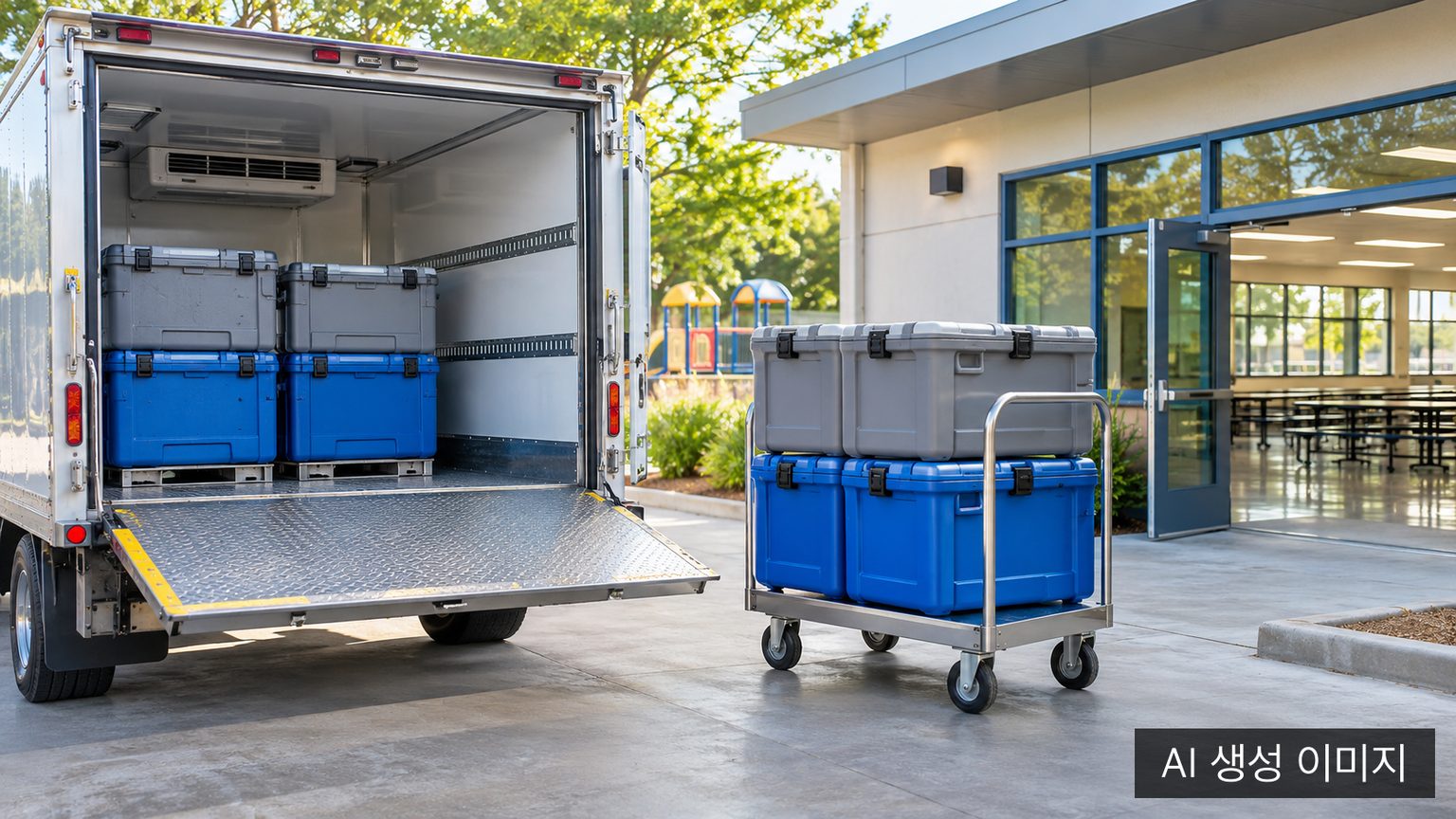
Gyeonggi Agro-Fisheries & Food Corporation has reportedly piloted reusable insulated boxes in school-meal ingredient deliveries, according to 18 November coverage. The reported aim to avoid 9,000 expanded-polystyrene boxes annually is a target, not measured savings. Public return rates and cold-chain test results were not supplied.
Shop-floor problem
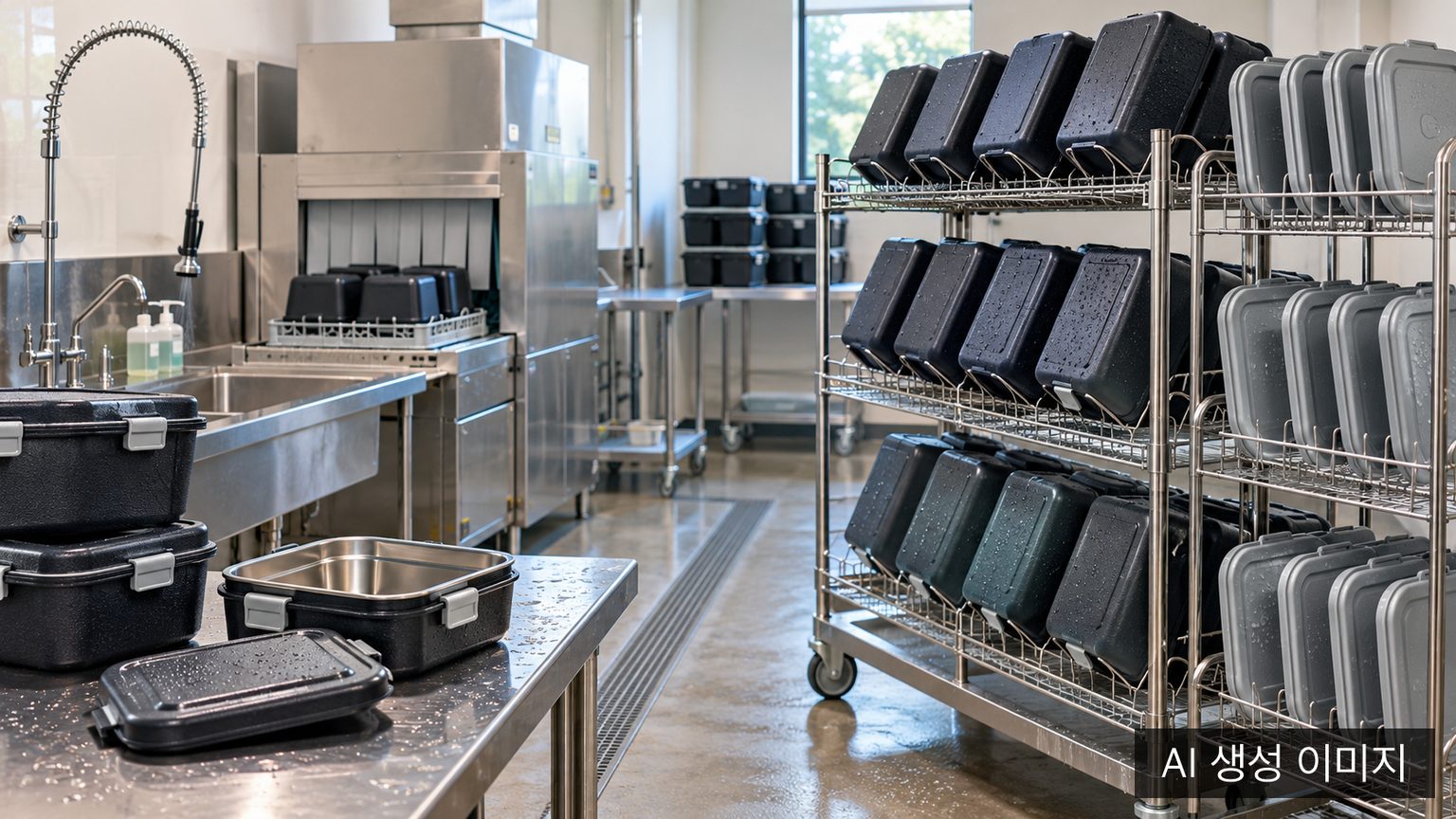
The purchase price of a returnable box is only one cost. Empty units must be collected, washed, dried, inspected for damage and put back into circulation. Gyeonggi’s school-meal supply map distinguishes central logistics, local delivery and school responsibilities.
Evidence to request
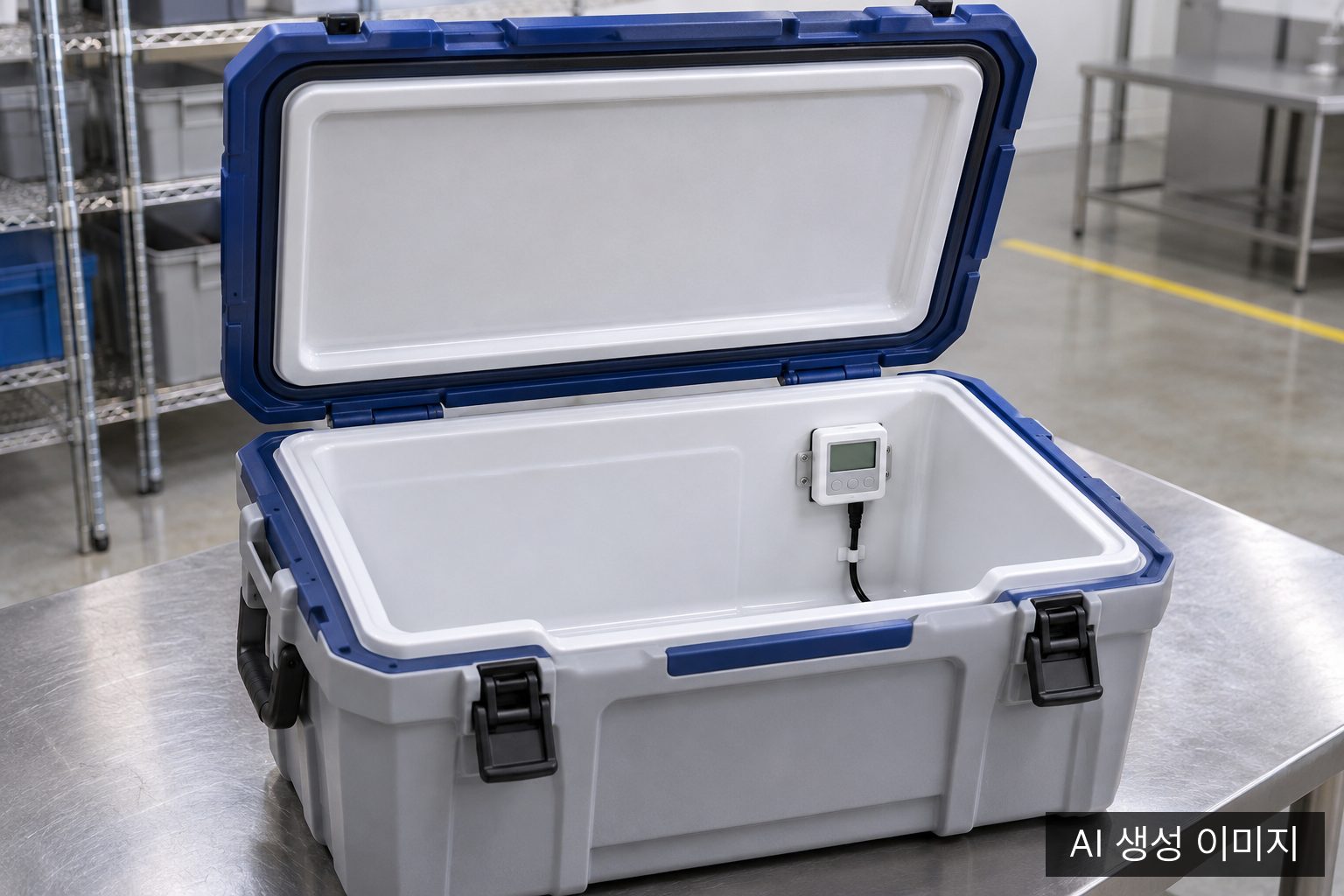
Ask the operator for the pilot routes, box construction, loaded capacity, departure and arrival temperature logs, return time, wash validation, loss rate and breakage. The coverage reviewed here does not publish temperature traces or measured return performance. Without the operator’s records, neither frozen-chain performance nor total-cost savings is proven.
Practical deliverable
Create a trip-level dispatch → school receipt → empty return → wash → reuse register. Link each box ID to product category, time and temperature at each hand-off, wash outcome, damage and transport distance. Compare full cost with one-way boxes and separately measure any change in paper secondary packaging.
When to hold application
Do not report the 9,000-box target as achieved. Hold wider route adoption until the operator provides return, cleaning, temperature, food-safety and cost evidence.
About the Author
PackingMaster: Editor of PaperPackLog. Covers market trends, product insights, and technology in the paper packaging industry.
References
Sources checked: 2026-11-19. Supplier and institutional statements are not independent performance tests.