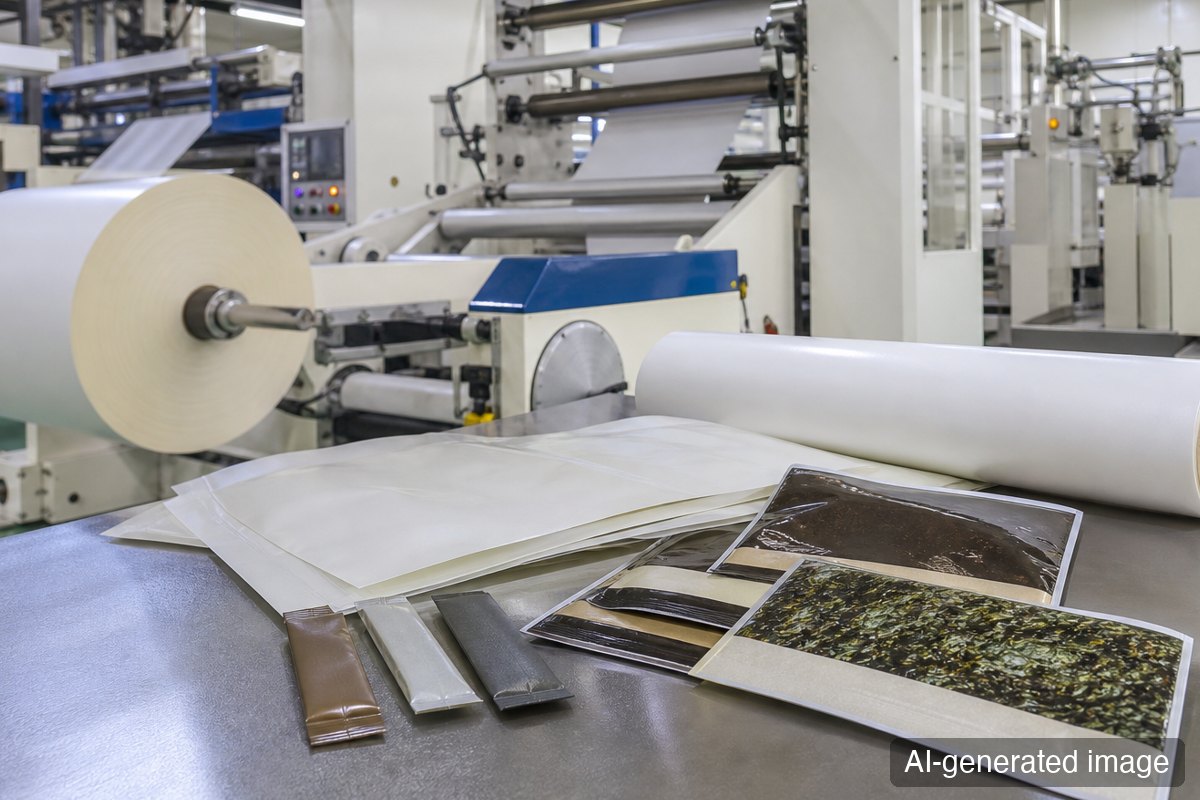
The move from plastic flexible packaging to paper-based alternatives is becoming more concrete in Korea. NewsPim reported in April 2026 that Hansol Paper launched Protego HS (Heat Sealable), a paper-based secondary packaging series designed to replace certain plastic flexible packaging applications. According to the report, the product can be used for secondary packaging of items such as chocolate, candy, powdered sauces, seaweed and coffee, and has been pre-tested across key packaging processes including printing, converting and filling.
For buyers and packaging developers, this is more than a product launch story. The practical question is not simply whether a package “can be paper-based,” but which performance data and documents are needed before a real conversion decision. Oxygen barrier, moisture barrier, heat-sealability and recyclability all have to be checked together.
High-barrier paper starts with numbers, not a paper-like appearance
The first specifications to request are OTR and WVTR. OTR means oxygen transmission rate, while WVTR means water vapor transmission rate. Lower values generally indicate stronger resistance to oxygen and moisture passing through the packaging material.
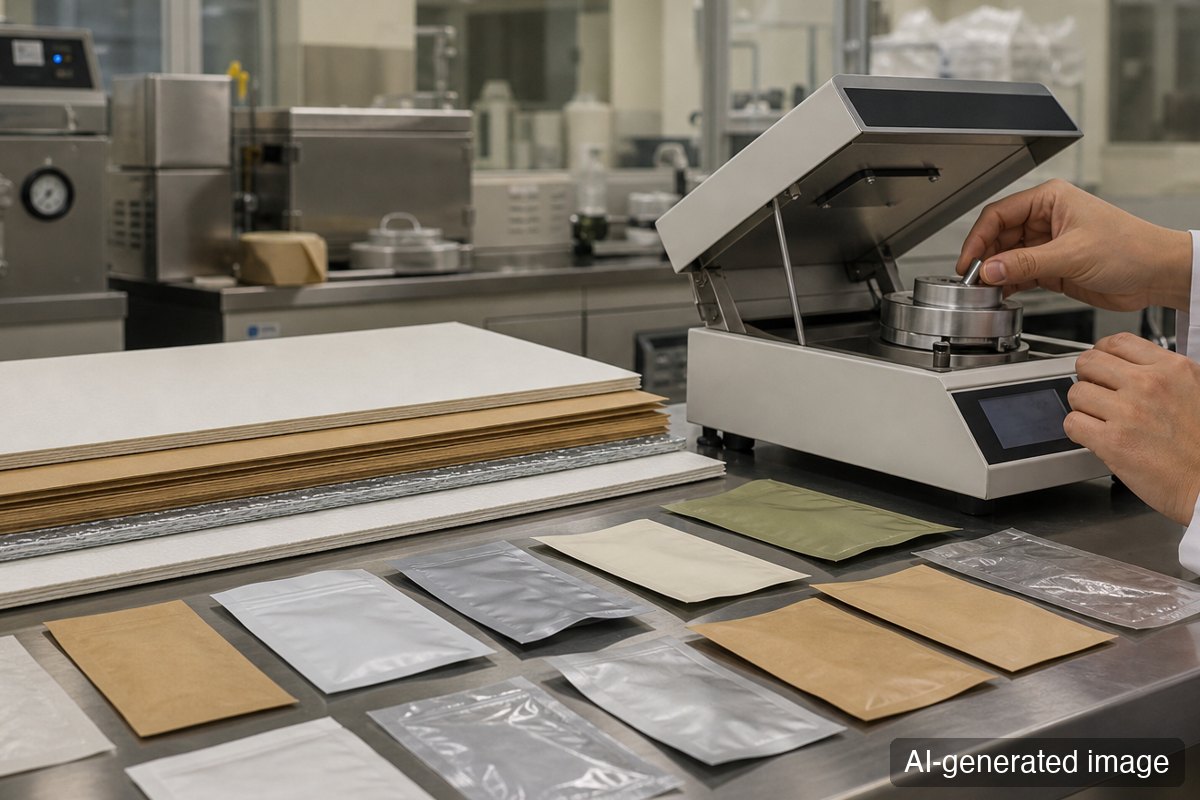
Different product categories need different priorities.
- Seaweed, snacks and powdered sauces: focus on WVTR and seal leakage.
- Coffee and aromatic powders: check OTR, aroma retention and pinhole risk.
- Chocolate and candy: review moisture control, surface tackiness, blooming and condensation.
- Short-cycle secondary packaging: printability, fold durability and machinability may matter more than absolute barrier values.
A supplier proposal should therefore include more than the phrase “sustainable paper packaging.” A useful review sheet should show test conditions, test methods, sample structure, storage assumptions and comparison data against the incumbent film.
Heat-sealability must be reviewed with line conditions
The HS in Protego HS highlights heat-sealability. For paper-based packaging to replace plastic flexible packaging, the material’s barrier performance is only one part of the decision. It also has to seal reliably on the actual line.
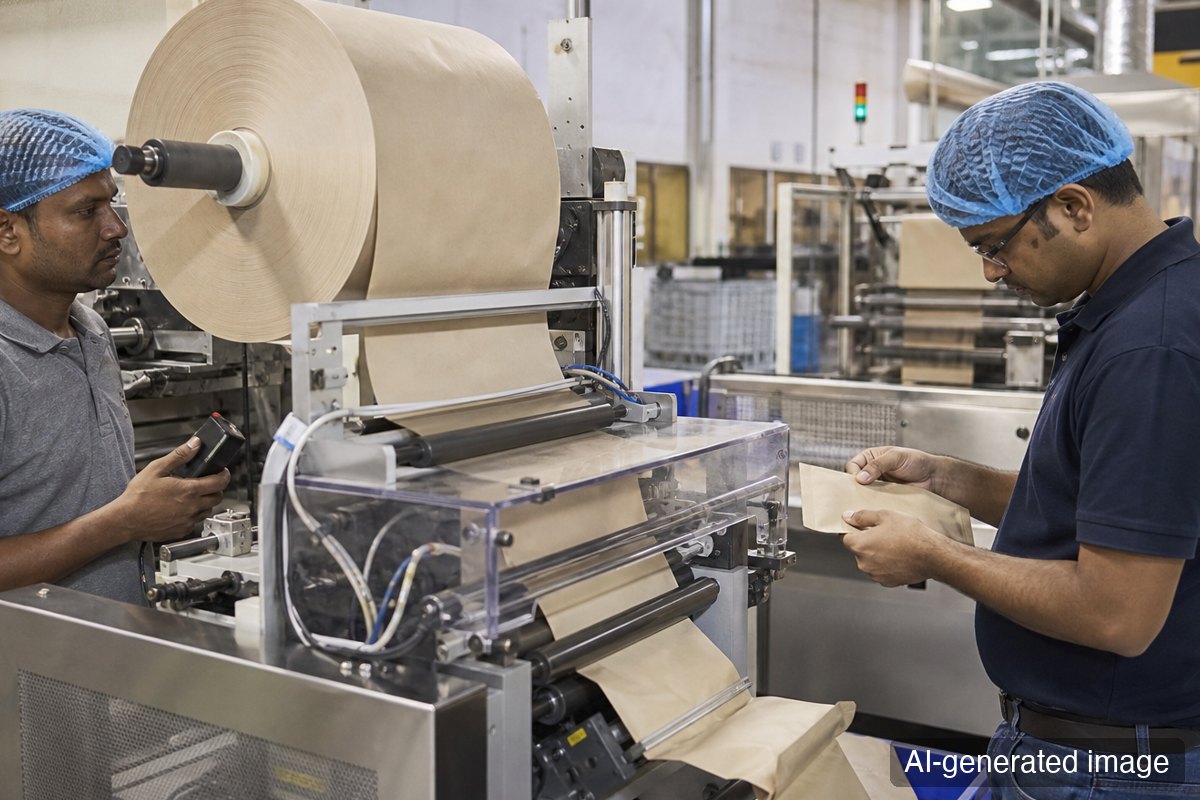
Practical questions include:
- What are the recommended sealing temperature, pressure and dwell time?
- Is seal strength maintained at the current packaging speed?
- Are there issues with cut-edge lint, fold cracking or coating delamination?
- Does print coverage change the sealing window?
- How do roll tension, web width and MOQ differ from the incumbent film?
Even when a supplier describes the product as compatible with existing equipment, each site has different packaging machines, product contents, speeds and ambient conditions. Samples should be tested under the real line conditions, not only in a lab.
Recyclability claims need supporting documents
NewsPim reported that Protego HS is designed as a paper-based material that may help reduce EPR-related burden and meet the highest recyclability grade requirements under the EU Packaging and Packaging Waste Regulation context. This can be valuable for export packaging reviews.
However, recyclability should be verified with documents rather than accepted as a one-line claim. Even paper-based packaging can include coatings, adhesives, inks and heat-seal layers that affect recyclability evaluation.
Buyers should request:
- Material composition: paper layer, coating layer, sealant layer and adhesive ratio
- Recyclability test or assessment results
- Documents for domestic material-structure evaluation or disposal labeling
- Declaration of Conformity and Technical Documentation for EU-bound products
- Food-contact safety data where relevant
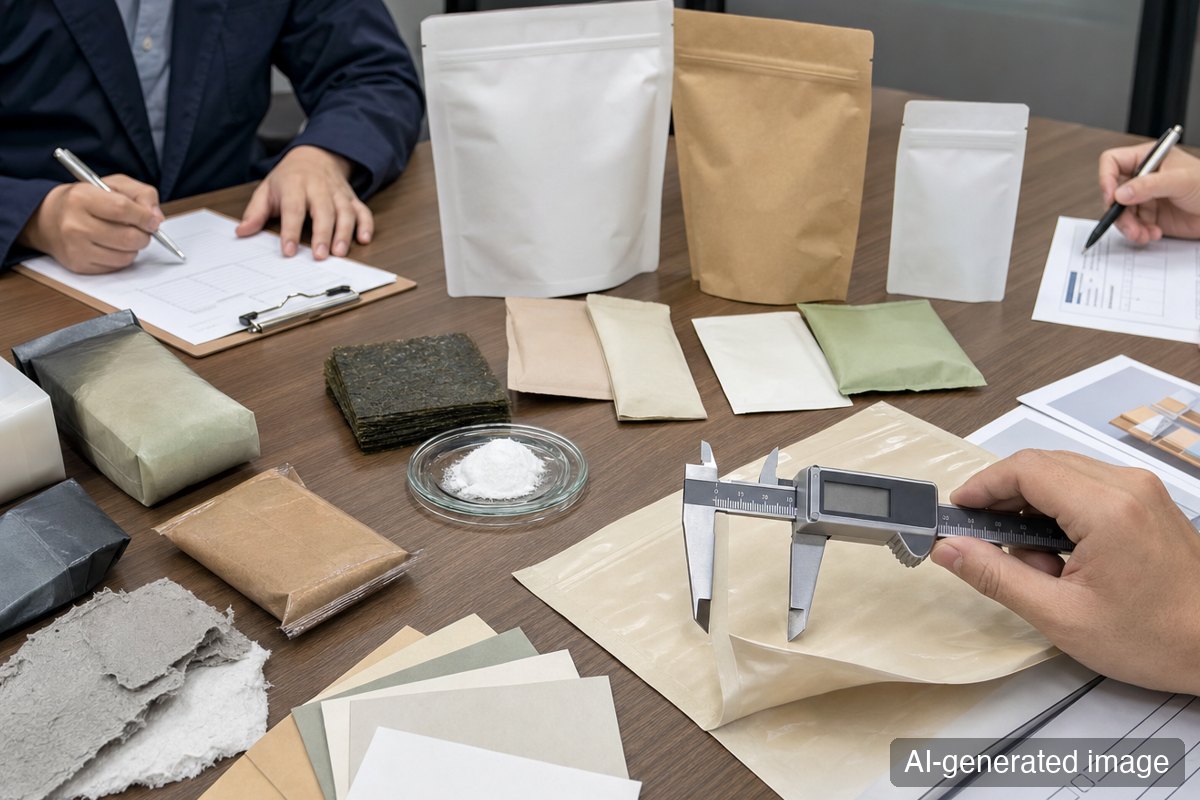
In short, do not confirm cost savings or regulatory readiness based on the broad word “paper” alone. At the quotation stage, the buyer should compare packaging unit price, EPR-related costs, disposal rules, export-market labeling requirements and claim risk together.
Which applications should be piloted first?
High-barrier paper packaging is better introduced through low-risk pilots rather than a blanket replacement of all flexible plastic packaging.
Good starting points include:
- Secondary packaging that does not directly contact the product
- Dry goods with relatively short distribution periods and lower oxygen or moisture sensitivity
- Products where the brand actively wants a paper-based sustainability message
- Export SKUs where customers request PPWR, EPR or recyclability documentation
- Products that can be tested in small batches on existing packaging equipment
Liquid products, oily products, long-term chilled or frozen distribution, and strong aroma-retention applications need a stricter validation process. That does not mean paper-based packaging is impossible. It means OTR, WVTR, sealing, pinhole and food-contact data must be reviewed more carefully.
Conclusion: sustainable conversion is a data package, not a material name
The launch of domestic high-barrier paper packaging such as Protego HS is a positive signal for Korea’s packaging supply chain. As plastic feedstock volatility, EPR costs, PPWR readiness and brand-level plastic reduction demands rise together, domestic suppliers with test data and documentation support can give buyers more options.
But the adoption decision does not end with “we can switch to paper.” OTR, WVTR, heat-sealing conditions, line applicability, recyclability assessment and food-contact data need to be prepared as one package. In functional paper packaging, competitiveness will increasingly depend on how quickly and accurately the supplier can provide the supporting data.
About the Author
PackingMaster: Editor of Paper Pack Log. We collect and organize market trends, product information, and technical insights for the paper packaging industry.
References
- NewsPim, Hansol Paper launches paper-based packaging material Protego HS
- European Commission, Background: Packaging waste