Operational problem
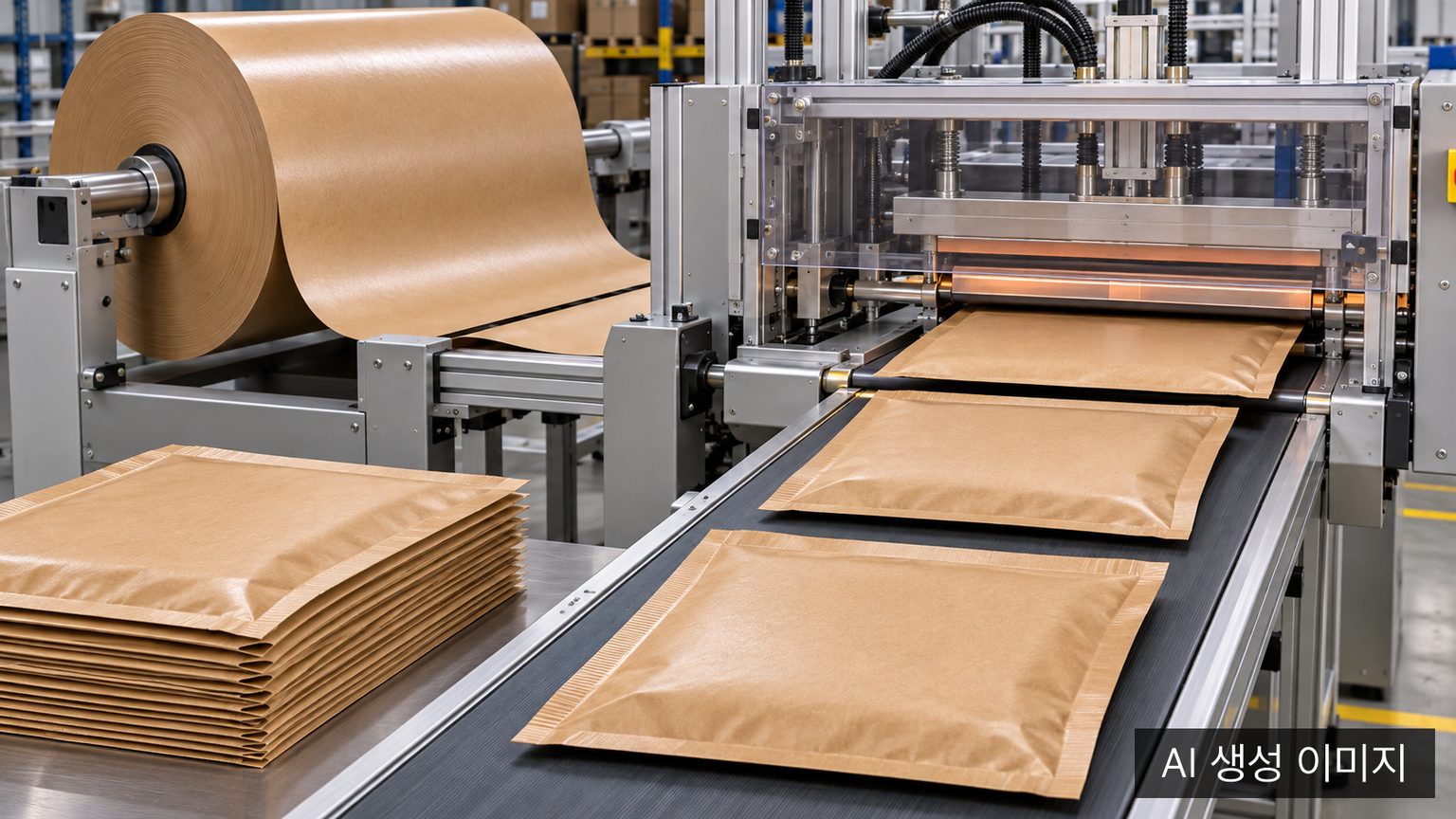
Moving from preset e-commerce envelope sizes to on-demand mailers requires matching the substrate and the sealing process. Henkel announced its water-based Aquence HS 2819 RE heat-seal coating on November 3. A packaging converter applies it to kraft paper so a shipper can cut coated roll stock to order size and seal it with heat. The announcement does not establish that a paper mailer can replace a box for every product.
Evidence to request
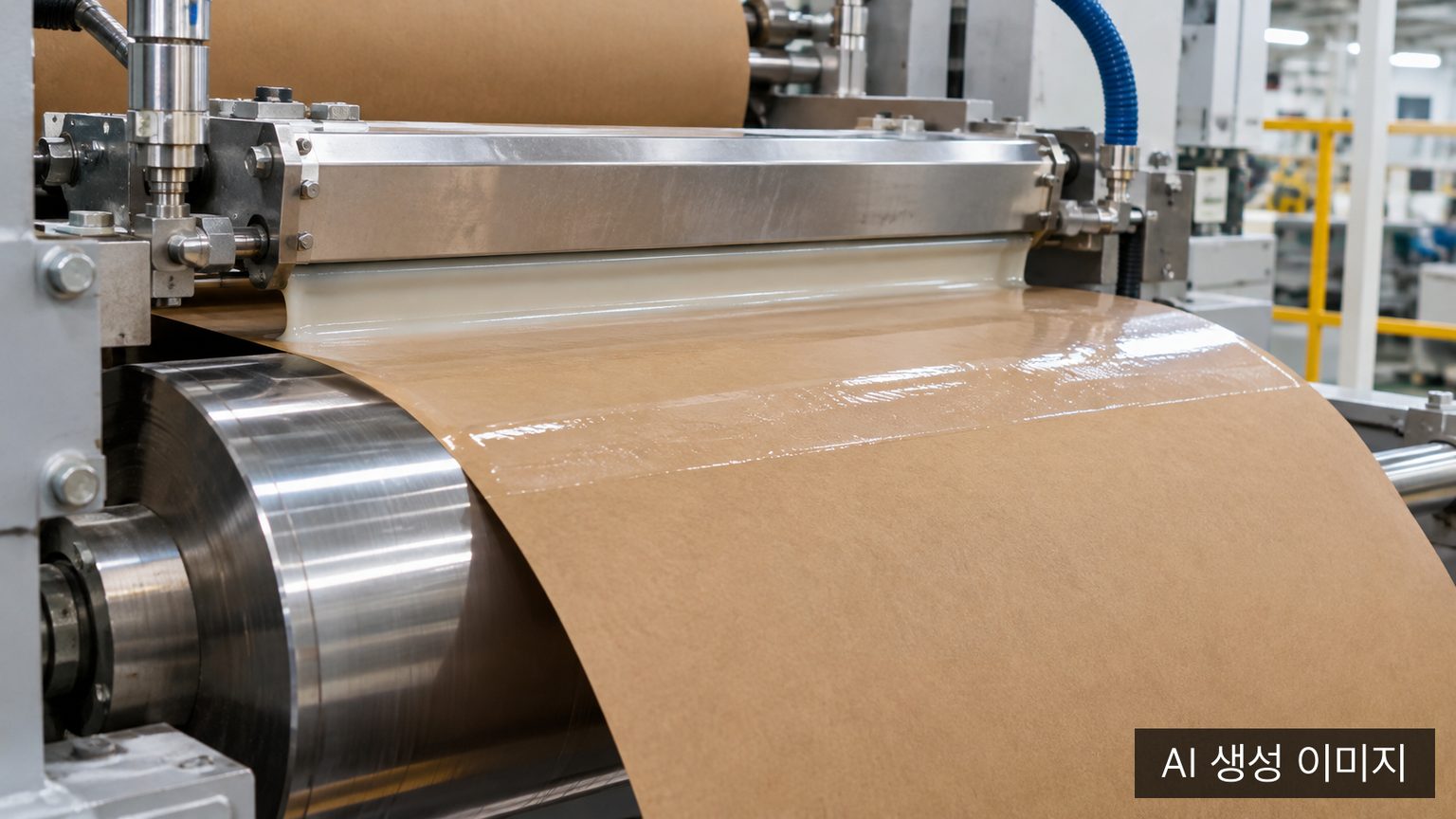
Henkel says the coating runs on flexographic and rotogravure presses, including at high speeds, and says accredited institutes confirmed recycling compatibility. In a finished mailer, performance still depends on paper grammage, coat weight, sealing temperature, pressure and dwell time, product mass, and edge geometry. Obtain separate evidence for coated stock and the finished package. A recycling assessment should identify the tested structure, inks, seals, adhesives, labels, contamination assumptions, and the local collection route. A supplier’s general claim is not proof that every local recycler will accept the specific mailer.
Practical deliverable
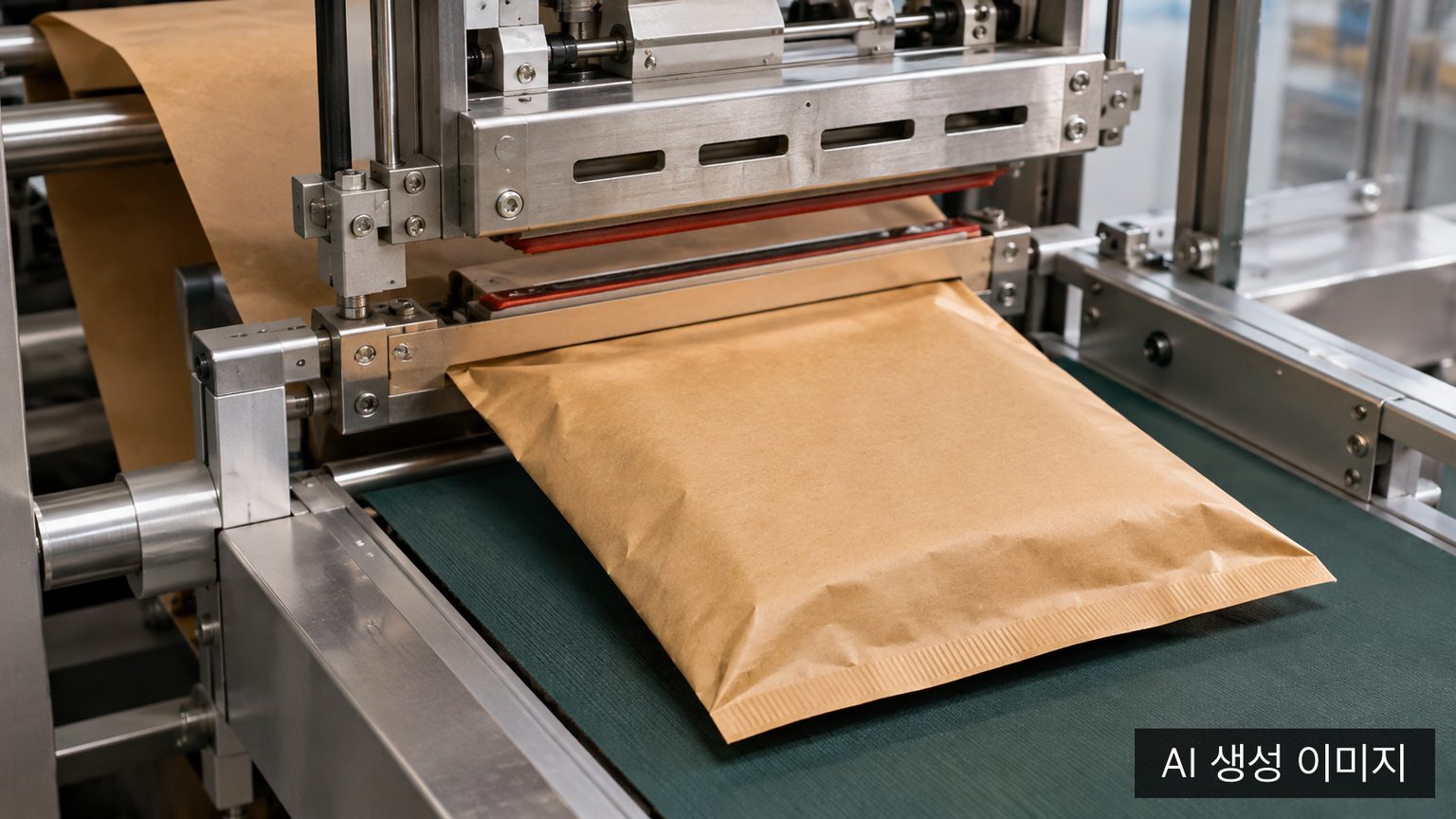
Record the stock specification, coat weight, line speed, sealing window, drying and blocking behavior, burst and drop trials, packing time, void space per order, and return-opening experience in a pilot approval sheet. Add the recycling laboratory, method, exact tested construction, and collection availability in the target market. This is an editorial test plan, not a Henkel warranty.
Hold conditions
Without product-specific protection evidence and an end-of-life route for the final construction, avoid saying the mailer is recyclable everywhere or always uses fewer resources than a box. Unlike resealable zippers or grease barriers, the new application focuses on automatic cutting and heat sealing of tailored mailers.
About the Author
PackingMaster: PaperPackLog editor covering the paper packaging industry through public evidence and practical procurement, quality, and operations questions.