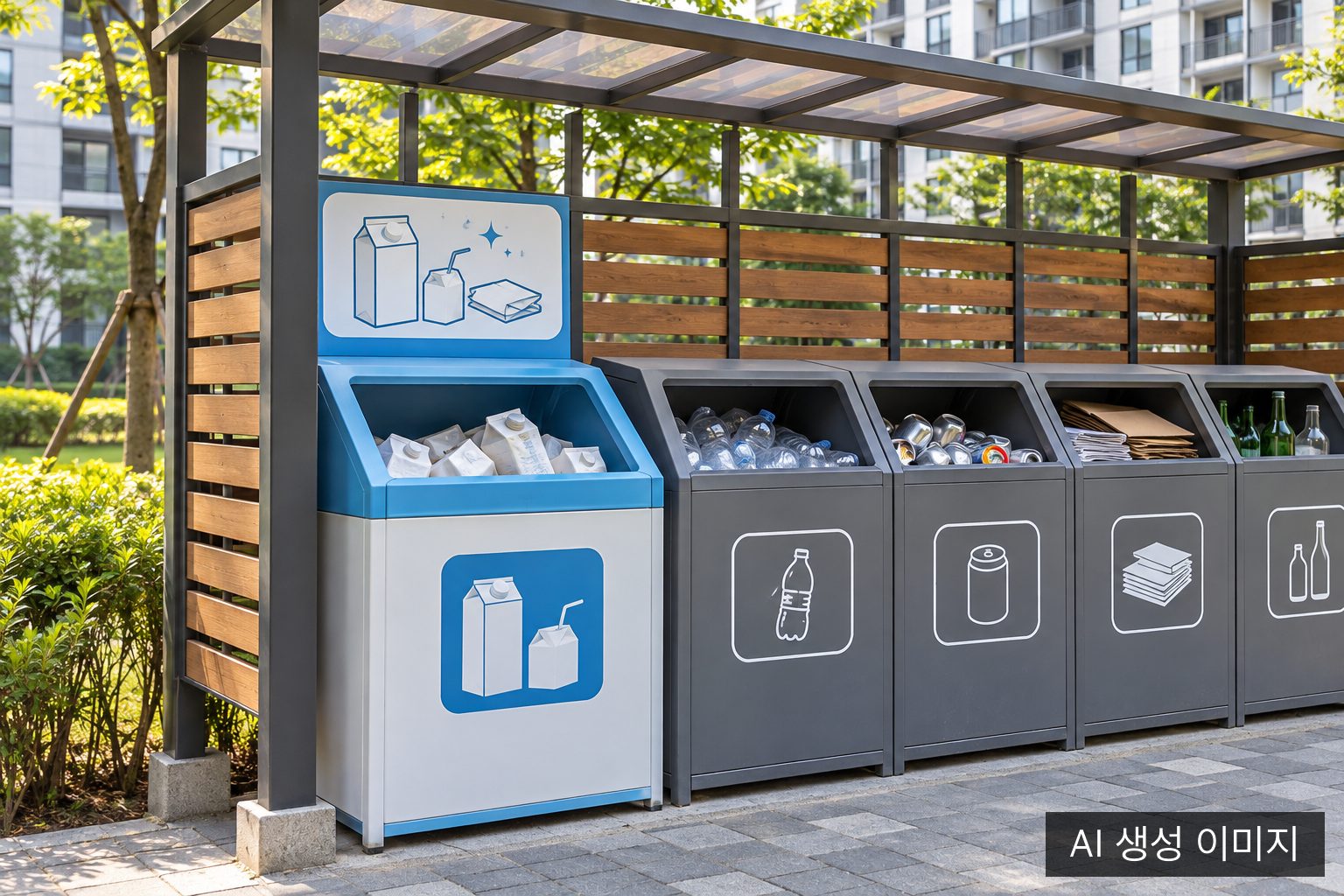
Shop-floor problem
On November 3, Hwaseong Women’s Association presented monitoring of separate milk-carton disposal at apartment complexes in Hyangnam. A local report says volunteers made 27 visits across seven complexes, spoke with 1,008 residents, and obtained 652 pledges. Those are outreach and stated-intention measures. The account mentions weighing collected cartons, but its accessible text does not publish a total collected weight or the quantity accepted by a paper mill after sorting.
Evidence to check
Material placed in a collection bin is not automatically recycled pulp. Ordinary and aseptic cartons, residual contents, contamination, transport losses, sorting yield and the receiving mill’s acceptance criteria all matter. A separate report on Hansol Paper’s recycling partnership provides industry context, not evidence that this Hyangnam collection was delivered to Hansol or any other mill.
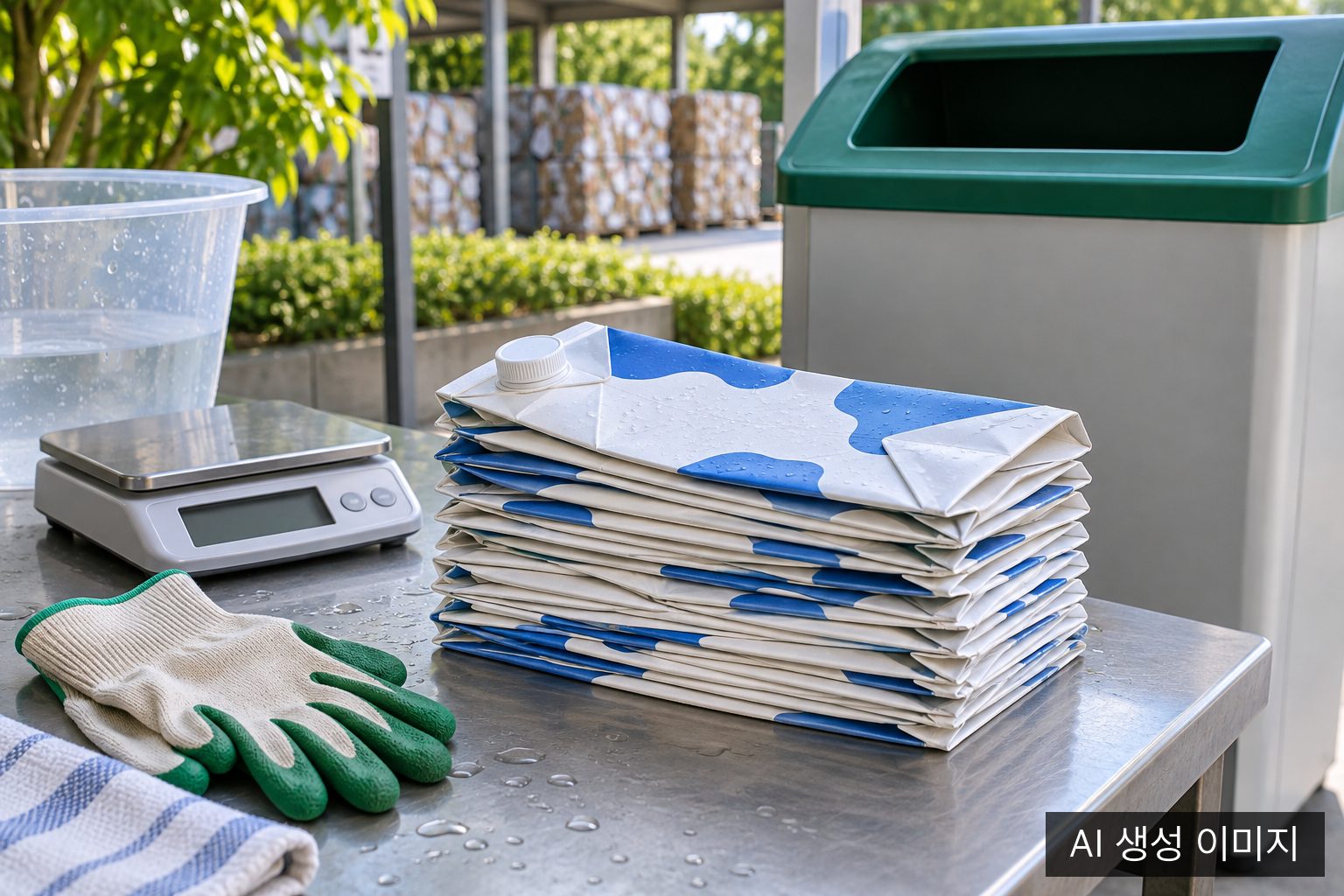
Practical output
A collection log should separate site, date, gross collected weight, carton type, contamination, post-sorting weight, receiving facility and proof of acceptance. The reported 64.7% pledge rate is 652 pledges divided by 1,008 residents contacted; it is not a collection or recycling rate. Organizers said visible dedicated bins and building-management cooperation correlated with better separate disposal. Treat that as an operational hypothesis until site-level measurements and monitoring periods are available.
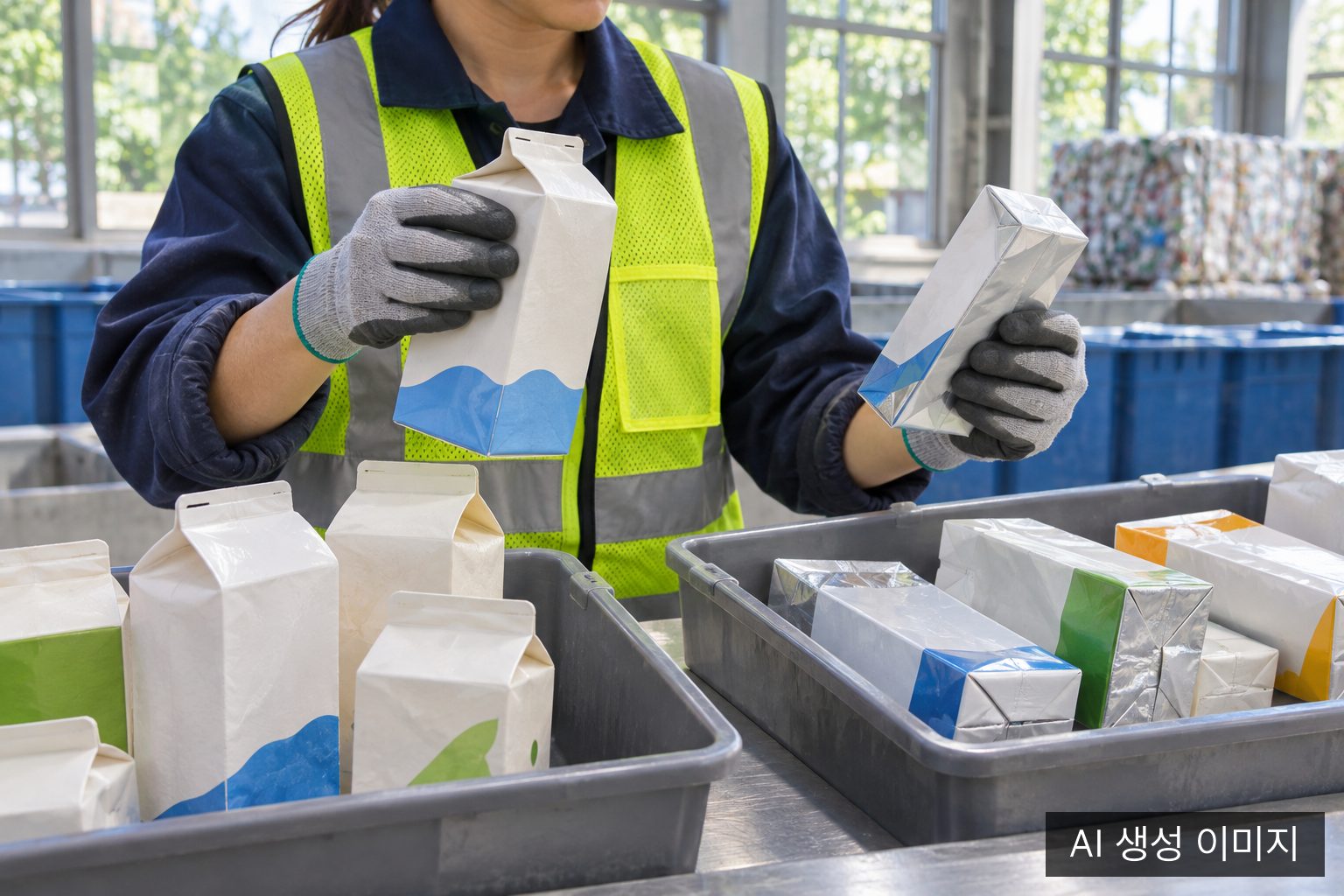
When to hold application
Do not assert a total recovery volume, pulp yield, mill delivery or an improved recycling rate for this campaign before the relevant records are published. Check any legal rollout dates and coverage against official local notices separately.
About the Author
PackingMaster: PaperPackLog editor. We interpret public paper-packaging information for purchasing, quality and shop-floor practice.