The warehouse question
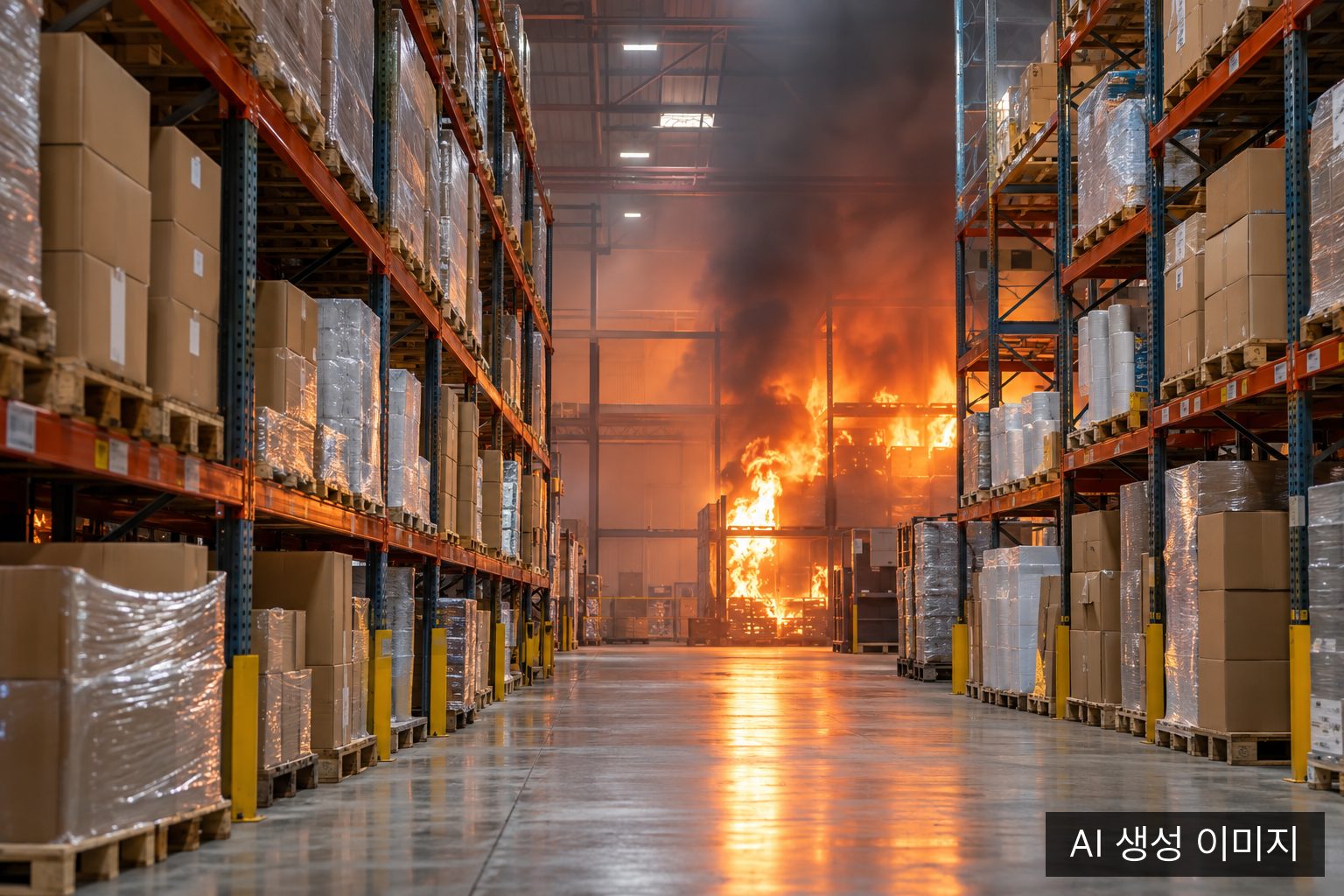
Korea’s National Fire Agency released joint investigation findings on October 29 concerning the July 18 fire at Incheon Logistics Center 32. It identified a rack on the sixth floor of Building B as the initial fire location and considered thermal runaway in a lithium-ion battery embedded in stored goods the likely ignition mechanism. Severe damage prevented investigators from identifying the exact product. Operators should focus on traceable battery-bearing stock and its surroundings, not guess a brand or model.
What the findings do and do not say
The agency reported that the fire spread from a product case and packaging to nearby paper boxes, then upward and along the exterior. This does not make corrugated boxes the initial ignition source. They were part of the investigated spread path. The agency plans a warehouse fire response procedure and talks with other ministries on battery storage safety. A state-of-charge limit is a proposal under discussion, not a universally effective duty established by this release.
A usable control record
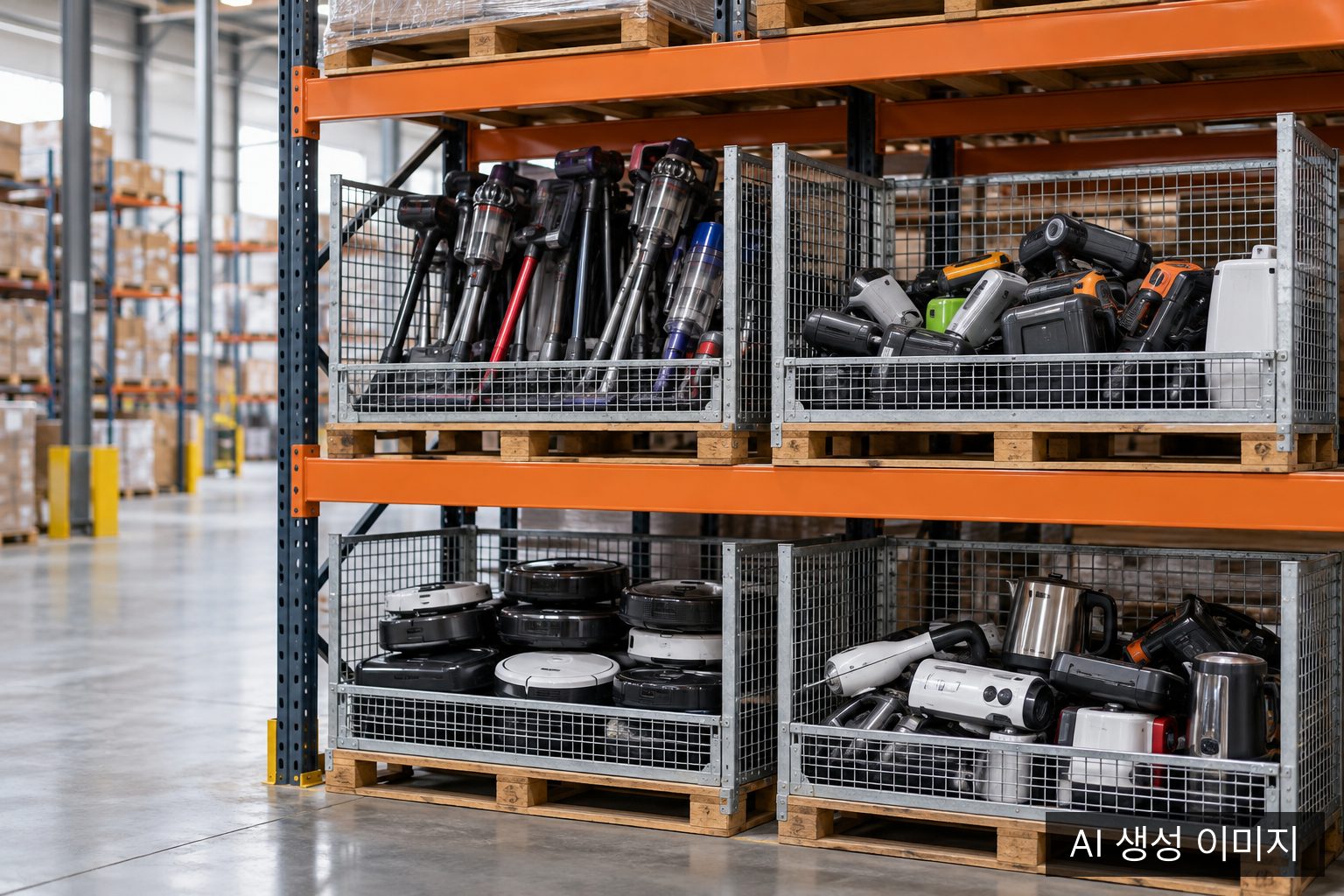
Mark standalone batteries and battery-containing products separately in the inventory master, and maintain SKU-level location and quantity records. Show charging, returns, damaged goods, and temporary storage areas on the rack plan. Check box accumulation, aisle clearance, and obstruction of detection or sprinkler coverage against the building’s fire design and local requirements. Packaging teams can reduce idle empty cartons and waste without compromising product protection.

When to hold action
Do not name a product or manufacturer as the ignition source without an official finding. Do not invent a numerical charge-state legal limit. Confirm local fire requirements, building design, insurance conditions, and product specifications before changing storage practice.
About the Author
PackingMaster writes evidence-based practical briefings for paper packaging procurement, quality, and operations.