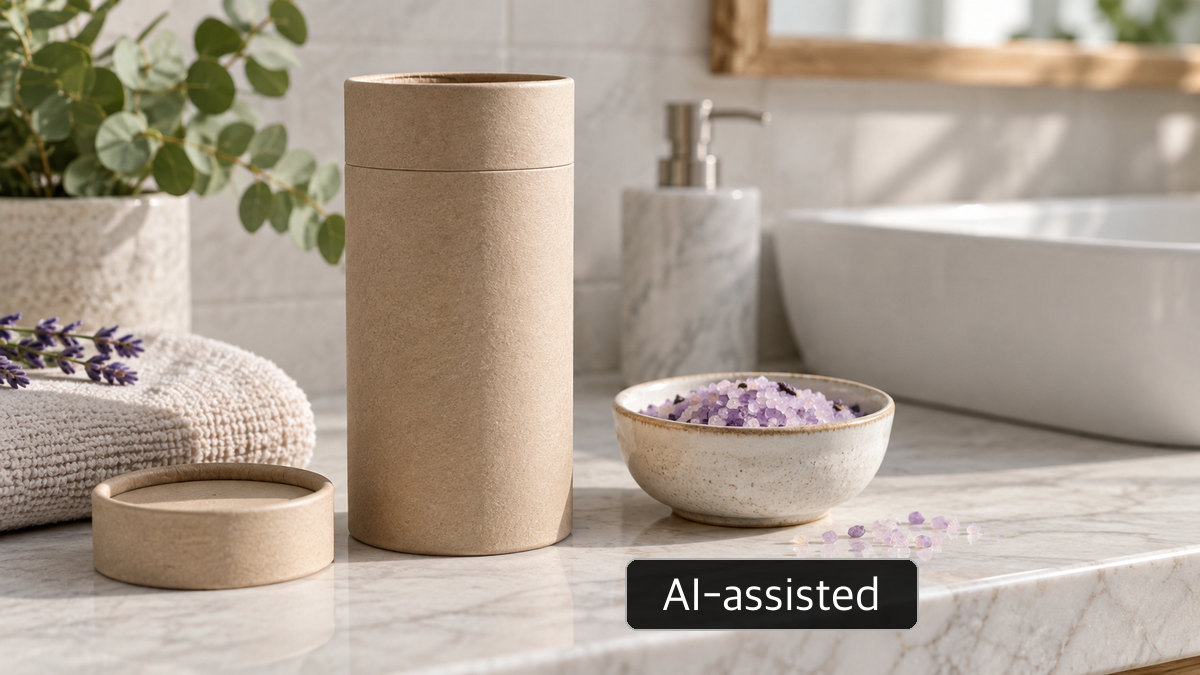
For bath crystals kept in a bathroom, the key question is not whether a container looks like paper. It is whether the finished pack protects its contents in humid conditions. Packaging Insights reported on October 9, 2026 that Sonoco supplied GreenCan for German wellness brand Kneipp’s limited-edition Lieblingsmensch bath crystals. A Sonoco executive quoted in the report describes a paper-based body, a paper end and a paper plug-in lid. This establishes the reported application and components, not a published moisture-barrier result for that particular pack.
Our earlier general GreenCan discussion of paper content and recyclability and Mars cracker-canister discussion of reclosure address broader material questions. This case instead separates protection before first opening from closure after use for moisture-sensitive bath crystals. The contents and disclosed constructions of the two brand applications are not interchangeable.
A reported pack, not a published performance dossier
Kneipp described bath salts as sensitive to humidity and moisture and thus difficult to pack in alternatives to plastic. Sonoco’s executive characterized protection of the crystals and their complex composition in a humid bathroom as a technical challenge and claimed the new structure maintains product integrity while substantially reducing reliance on fossil-fuel-based materials. The report also describes a paper-touch finish and colorful, gift-oriented graphics. These are supplier and brand statements carried in an interview, not independent measurements of stability or material savings.
Sonoco’s GreenCan product page describes the product family as containing 92–98% paper and offering optional coatings against moisture and oxygen. It does not specify whether the Kneipp limited edition uses such a coating or has that paper share. Neither of the two public pages inspected provides this specific bath-crystal pack’s water vapor transmission rate (WVTR), filled-pack moisture-ingress or shelf-life test conditions and results, lid fit after repeated opening, or plastic percentage. Calling GreenCan recyclable in a news story does not demonstrate that every component of this SKU is accepted in paper collection in every sales market.
A material barrier is not a complete-container result
The following is an editorial approval checklist, not a claim about tests completed by Kneipp or Sonoco. A WVTR value for the body material alone cannot describe ingress at the end joint or around the lid. Request the actual supplied SKU’s body laminate and coating, end/joining construction, and whether an initial seal exists and how it works. The words paper plug-in lid do not tell us whether there is a separate unopened seal or quantify how tightly the lid fits.
Compare the proposed and incumbent packs with the same bath-crystal fill and agreed conditions. Fix temperature, relative humidity, duration, sample count and acceptance criteria before testing. Select product-relevant readouts such as content moisture change, clumping or visible change, and mass change; record any change at the joins or base separately. A coating specimen’s WVTR and the storage behavior of a filled, closed container are different types of evidence. The reviewed report does not establish which, if any, such tests were performed.
Test first-open protection separately from reclosure
If repeated bathroom use is intended, the second boundary is after the consumer opens the pack. Define opening cycles and storage orientation on the same samples; assess lid engagement, damage and product condition, then check reclosure following representative humidity exposure. Transit vibration and drops, as well as lid application on the filling line, are separate checks. This is a proposed test design, not a report that the limited edition passed it.
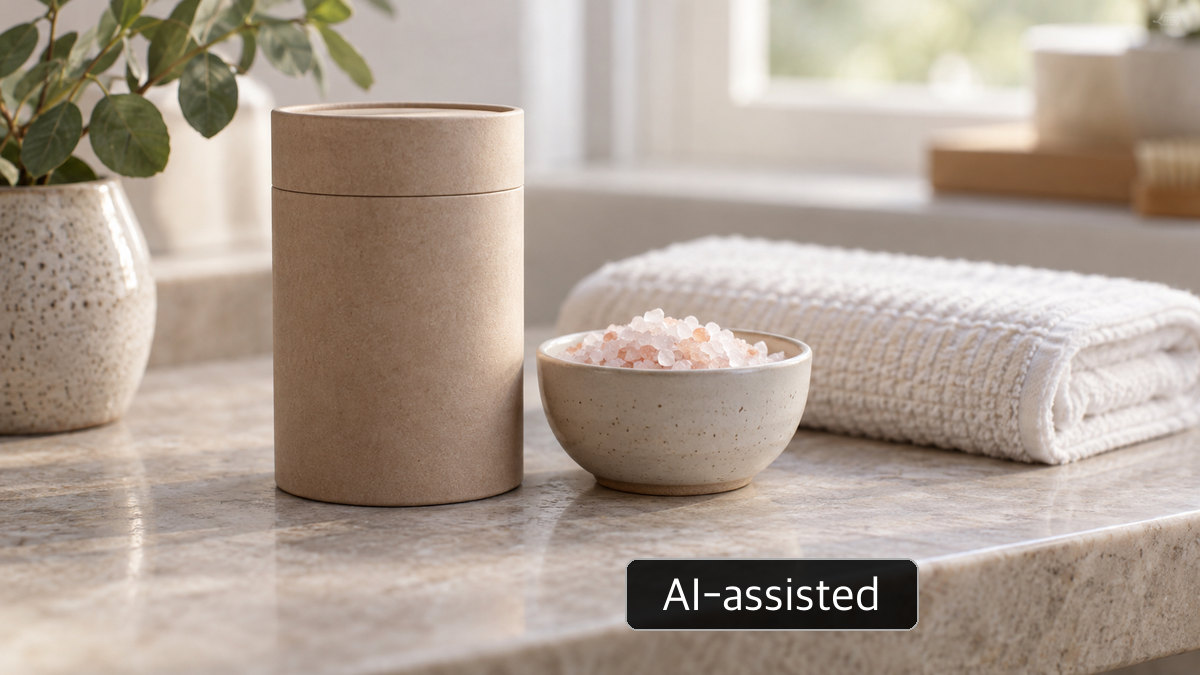
A procurement approval should keep separate records for the actual SKU’s component materials and coatings, initial seal construction, defined finished-pack moisture and product tests, condition after reclosure, and disposal evidence for the sales region. What the news establishes is an application of GreenCan to a Kneipp limited edition and Sonoco’s description of its paper body, end and plug-in lid. Paper-based product positioning is not yet an approval dossier for humid-bathroom use.
About the Author
PackingMaster edits PaperPackLog, covering market developments, products and technical decisions in the paper-packaging industry.
References
- Packaging Insights, October 9, 2026 — “Sonoco GreenCan brings paper-based packaging to Kneipp bath crystals” — named application and Sonoco/Kneipp quotations; not a measured barrier report.
- Sonoco — “GreenCan® Paper Containers” — family-level properties and optional coating; not the Kneipp SKU specification.