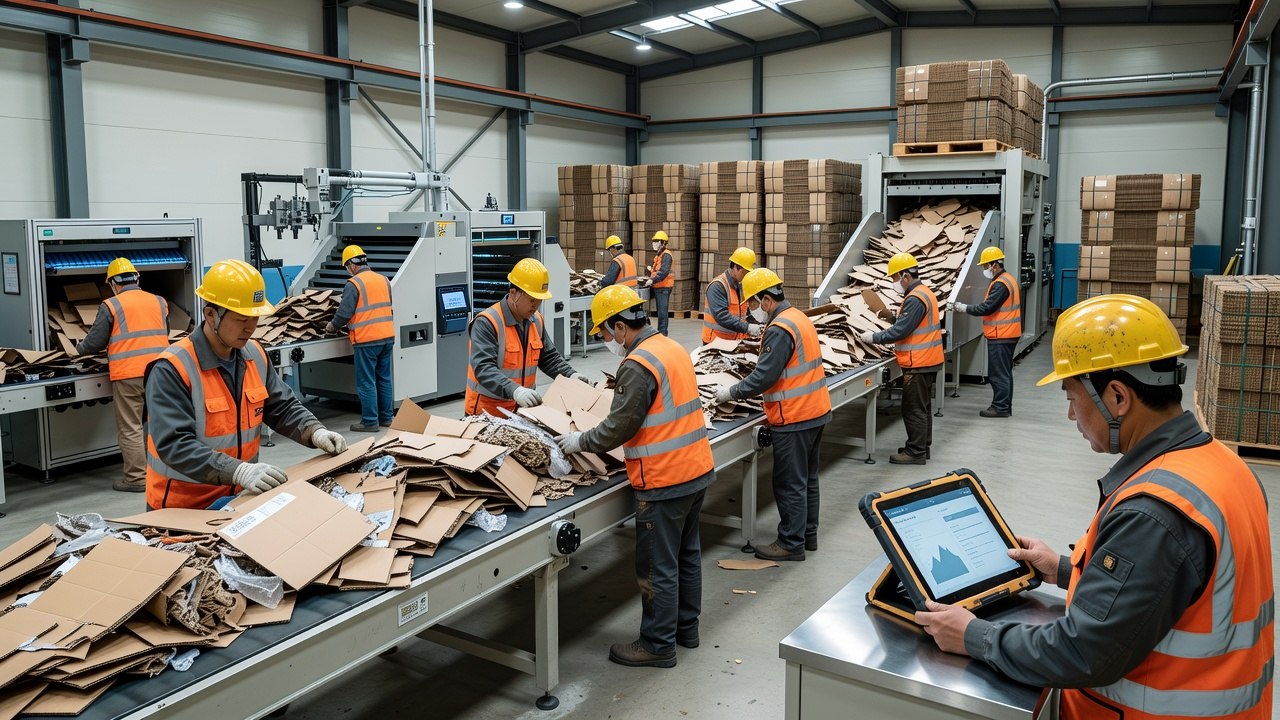
Klean Nara announced on August 24 that its joint venture KNT had held an opening ceremony on August 21 and begun operations. KNT covers recovered-paper sourcing, sorting and baling, quality control and supply, and the material is intended for Klean Nara’s papermaking process. The company says it will manage incoming quantity, quality and transaction history and plans an IT-based system for receipt, shipment and quality data. Capacity, moisture and contaminant limits, and measured yield improvement are not public.
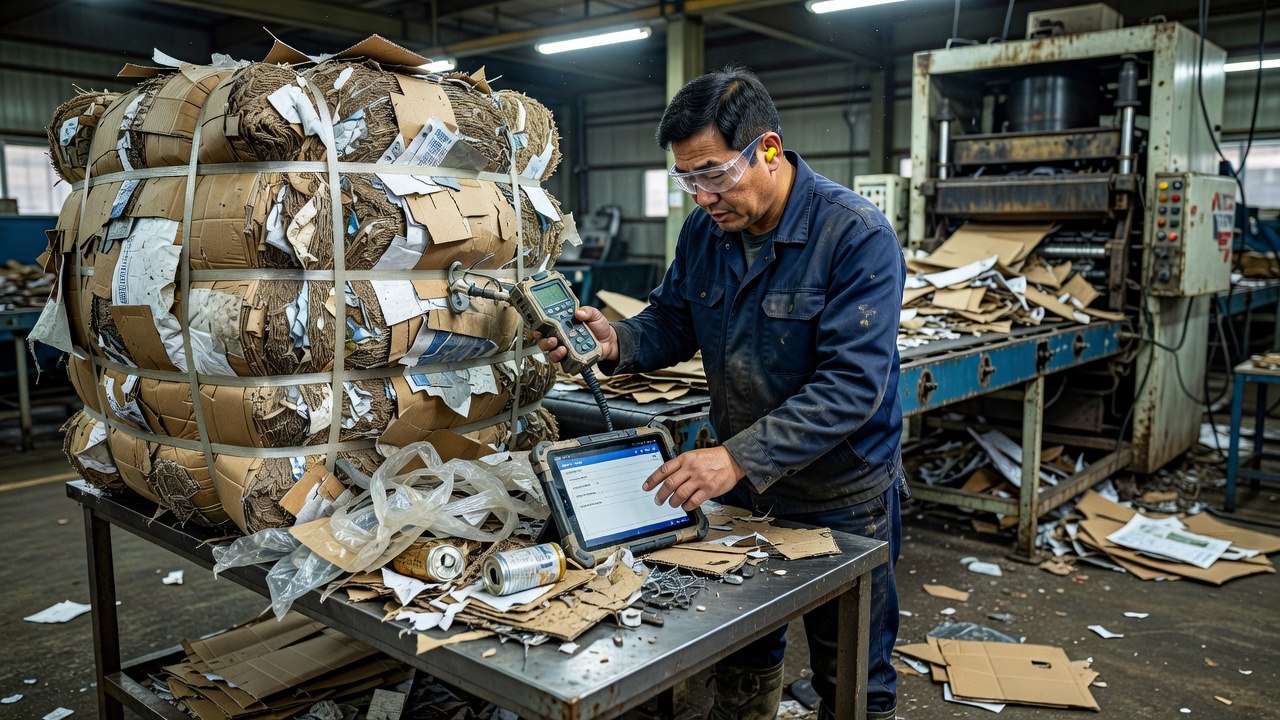
How the Joint Venture Divides Roles
KNT was formed by Klean Nara, recovered-paper distributor Taeseo Recycling and circular-economy startup UglyLab. Public descriptions combine field expertise and supplier networks, stable demand, and circular-resource experience. Klean Nara also says the model will supplement a quality-focused supply system while maintaining relationships with existing suppliers rather than replacing all of them.
| Participant | Reported strength or role | Indicator to verify |
|---|---|---|
| Taeseo Recycling | Field expertise and transaction network | Source coverage, collection stability and supplier variation |
| Klean Nara | Stable demand and use in papermaking | Process feedback, fiber yield, stops, cleaning and chemical effect |
| UglyLab | Circular-economy experience and capability | Data structure, transparency and improvement execution |
| KNT | Sourcing, sorting, baling, quality and supply | Lot yield and trace completeness from receipt to shipment |
The model succeeds only if quality data returns from the paper process to the source and sorting lot. If incoming inspection remains in a separate spreadsheet and is not connected to screen reject, stickies, yield or defects, the sorting plant remains primarily a logistics node.
Separate Current Operation from Future Plans
| Item | Status as of August 25, 2026 | Claim boundary |
|---|---|---|
| Opening and operation | Ceremony on August 21; business operation announced | Not proof that every machine reached rated stable capacity |
| Scope | Sourcing, sorting/baling, quality control and supply | Exact capacity and utilization undisclosed |
| Destination | High-quality recovered paper intended for Klean Nara mills | Do not assume exclusive or total supply |
| Geography | Focus on the capital and Chungcheong regions; phased expansion planned | Not a completed national network |
| Data | Quantity, quality and transaction history from receipt; IT system planned | Not a finished real-time traceability system |
| Benefit | Targeting lower variation, better yield/efficiency and stable supply | No measured improvement percentage disclosed |
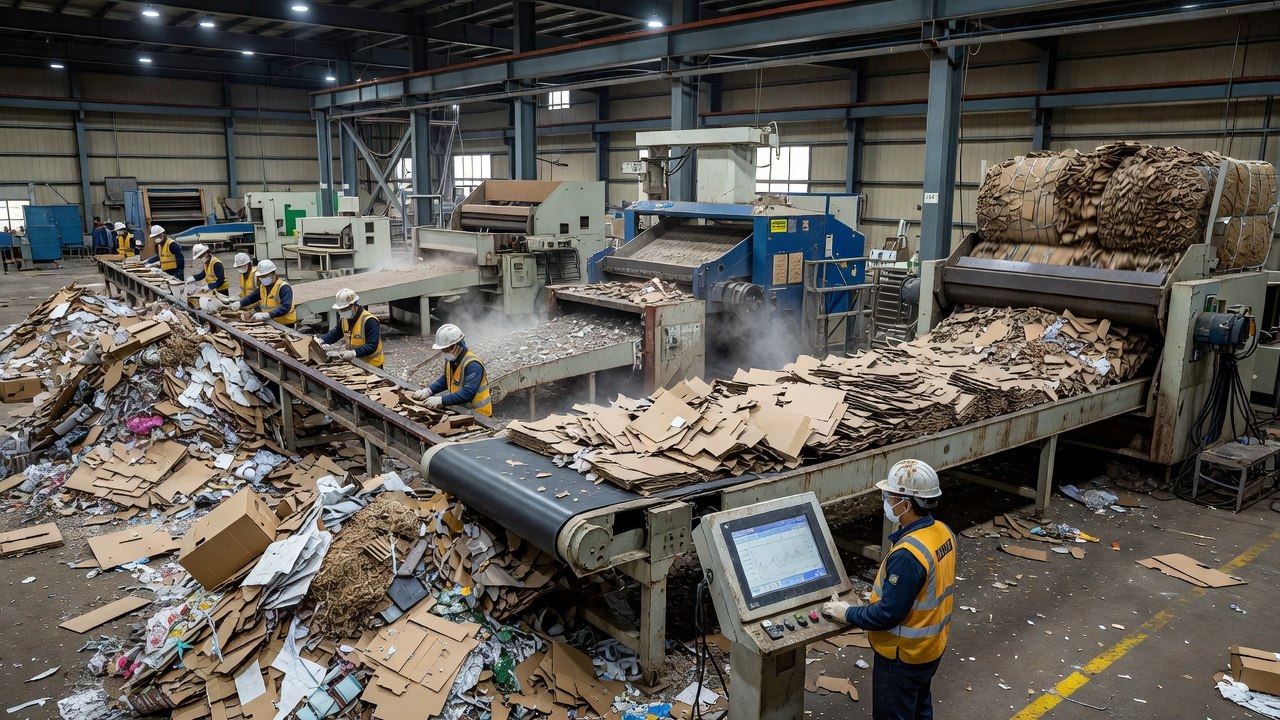
The Data Chain from Receipt to Papermaking
1. Source and Collection Lot
Bind source type, collection date, vehicle, supplier, expected grade and storage conditions to the receiving ID. Moisture and contaminants can change with rain, outdoor storage and mixed collection even from the same supplier.
2. Receiving Weight and Inspection
Record gross, tare and net weight; moisture; grade; non-paper contamination; metal, plastic, textile, wax and wet-strength paper; odor; and visible contamination with sample location and image. Supplier comparisons are invalid if sampling frequency or method changes.
3. Sorting and Baling Output
Connect the receiving lot to sorting batches and bale IDs. Record removed material, process loss, bale weight and density, ties and rework to calculate mass balance and cost.
4. Shipment and Mill Furnish
Link bale ID, shipment date, vehicle, destination and receiving results to the mill furnish batch. When multiple sources are blended, preserve the furnish ratio to avoid assigning a mixed result to one supplier.
5. Process Feedback
Return pulper performance, screen reject, stickies, ash, chemical and energy use, breaks, cleaning, production yield and sheet defects to the recovered-paper batch. Supplier evaluation should include actual process loss, not appearance alone.
Copy-Ready Recovered-Paper Lot Ledger
| Stage | Required fields | Verification rule | Action on exception |
|---|---|---|---|
| Source and collection | Supplier, source, date, storage/weather and vehicle | No duplicate or missing ID | Segregate and increase sampling |
| Receipt | Gross/tare/net, moisture, grade, contaminants and images | Calibrated weighing and fixed method | Document deduction, rejection or downgrade |
| Sorting | Input, reject, labor time and rework | Check mass-balance tolerance | Code cause and feed back to supplier |
| Baling | ID, weight/density, ties and moisture | Link to receipt and sorting batch | Re-bale, dry or segregate |
| Shipment | Destination, vehicle, quantity and bale list | Scanned count equals shipping record | Stop loading and reconcile |
| Paper process | Furnish, blend ratio, reject, yield and quality | Traceable back to input lots | Correct supplier or sorting condition |
Claims That Require a Hold
- Treating an opening ceremony as achievement of rated capacity
- Turning planned sorting and baling investment into a measured yield improvement
- Describing a planned IT system as completed real-time traceability
- Extending a capital/Chungcheong focus to a completed national network
- Interpreting continued supplier relationships as an exclusive direct-sourcing model
KNT matters because it moves recovered paper from a price-per-ton purchase toward controlled sorting, baling, quality and history as papermaking inputs. The next proof is not another plant description. It is whether a receiving lot can be traced through sorting, bale, furnish and process loss, and whether variation declines under a stable measurement method.
About the Author
PackingMaster: Editor of Paper Pack Log. We collect and organize market trends, product information, and technical insights for the paper packaging industry.