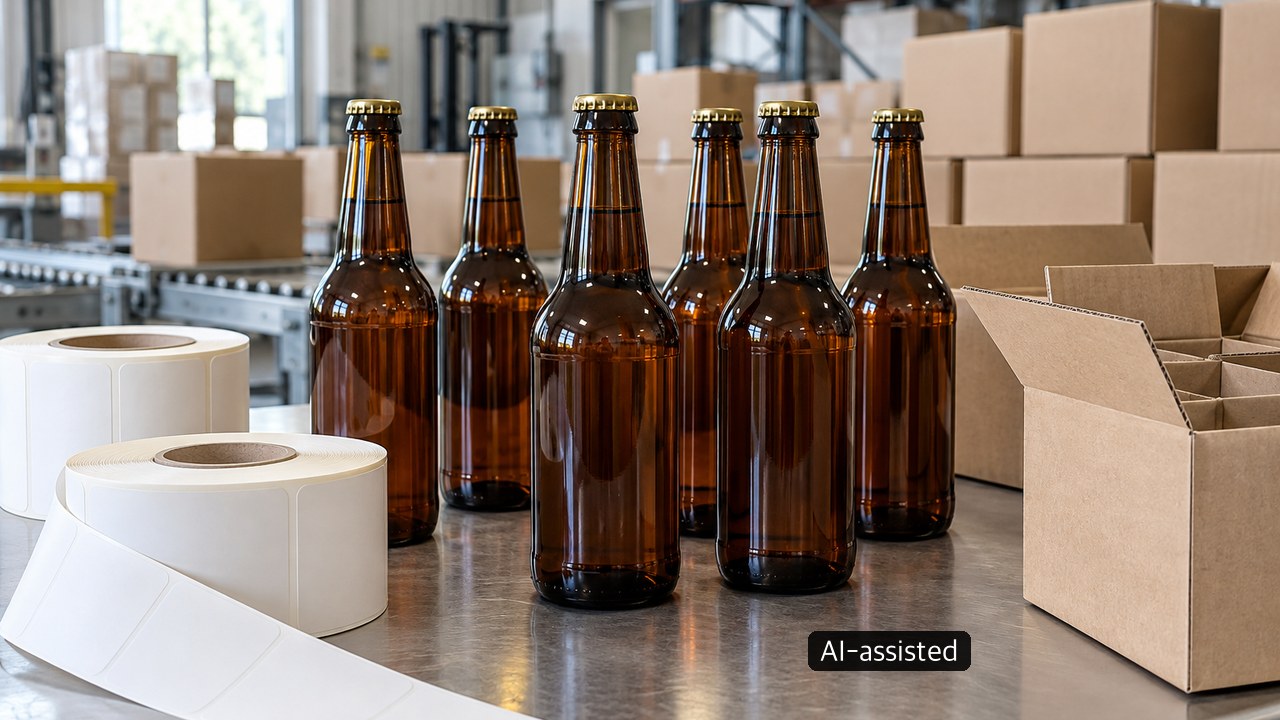
According to the Korea Chamber of Commerce and Industry’s release, dated October 23, 2026 on its website, the chamber submitted 129 regulatory-improvement proposals to a public-private review group. Yonhap reported the proposal on October 22. One proposal asks agencies to coordinate the effective dates of food-and-beverage label rules. This is a chamber request, not an announcement that the government adopted a new labeling law or grace period.

Why print and packaging schedules matter
The reports describe separate agency remits for product names and ingredients, origin, recycling marks and alcohol-specific warnings or sales restrictions. The chamber said imported alcoholic beverages may have to address requirements from as many as nine agencies. Its examples include repeated rule changes since 2020 and an approximately four-month European shipping cycle. Those figures are the proposer’s examples, not universal change intervals or transit times for every SKU.
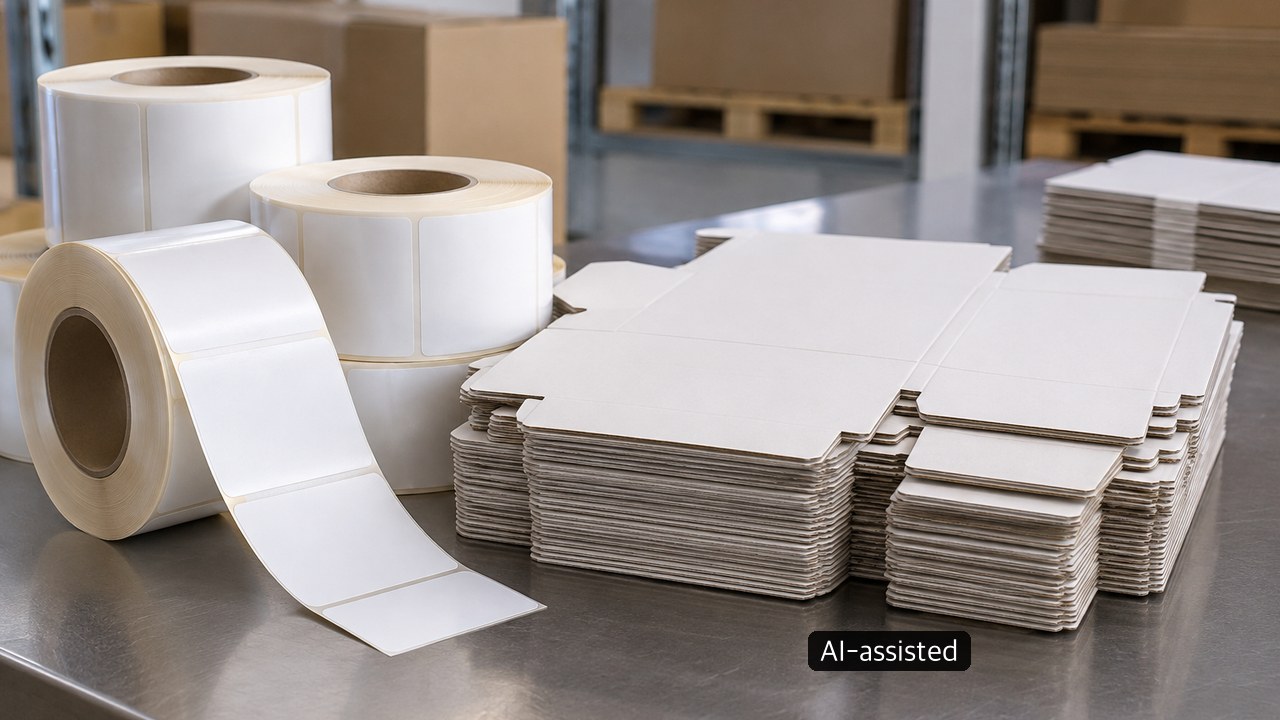
A converter and brand owner must align the rule’s effective date with label artwork sign-off, printing, manufacturing, import entry and release of existing inventory. As reported, the chamber suggests (1) interagency coordination before label amendments and (2) deferring relabeling of existing stock of no-expiry-date products such as whisky and wine until that product stock is exhausted. This is not a request for a right to use up unused rolls of printed labels. Neither scope nor an effective exemption can be assumed without an official decision and published legal text.
Separate proposal from production rule
| Question | Supported by the reports | Not established by the reports |
|---|---|---|
| Timing | The chamber asked agencies to coordinate changes | A government-wide synchronized effective date |
| Inventory | It proposed deferring relabeling of existing whisky and wine product stock until exhausted | An enacted grace period or a right to use up unused label rolls |
| Printing | Misaligned changes can complicate inventory planning | The scrapped-stock volume or new order quantity of each SKU |
Practical release gate: identify the latest legally published marking requirements and transitional provisions for each product. Check whether they apply at manufacture, import, entry or sale, then have the responsible regulatory function confirm whether previously labeled product stock may continue to be sold before committing print quantities. Origin, alcohol content, packaging size and SKU-specific declarations can change the required artwork.
The development is a proposal to make print and packaging inventory transitions more manageable, not proof that waste has already fallen or that an exemption is in force. Check future official agency releases for adoption.
About the Author
PackingMaster separates proposed labeling changes from the legally effective requirements needed for printing and packaging inventory decisions.
References
- Korea Chamber of Commerce and Industry, official regulatory-improvement proposal release (site dated October 23, 2026; proposed changes, not enacted law)
- Yonhap, report on the Korea Chamber of Commerce and Industry proposals (October 22, 2026; chamber proposal reported in Korean)