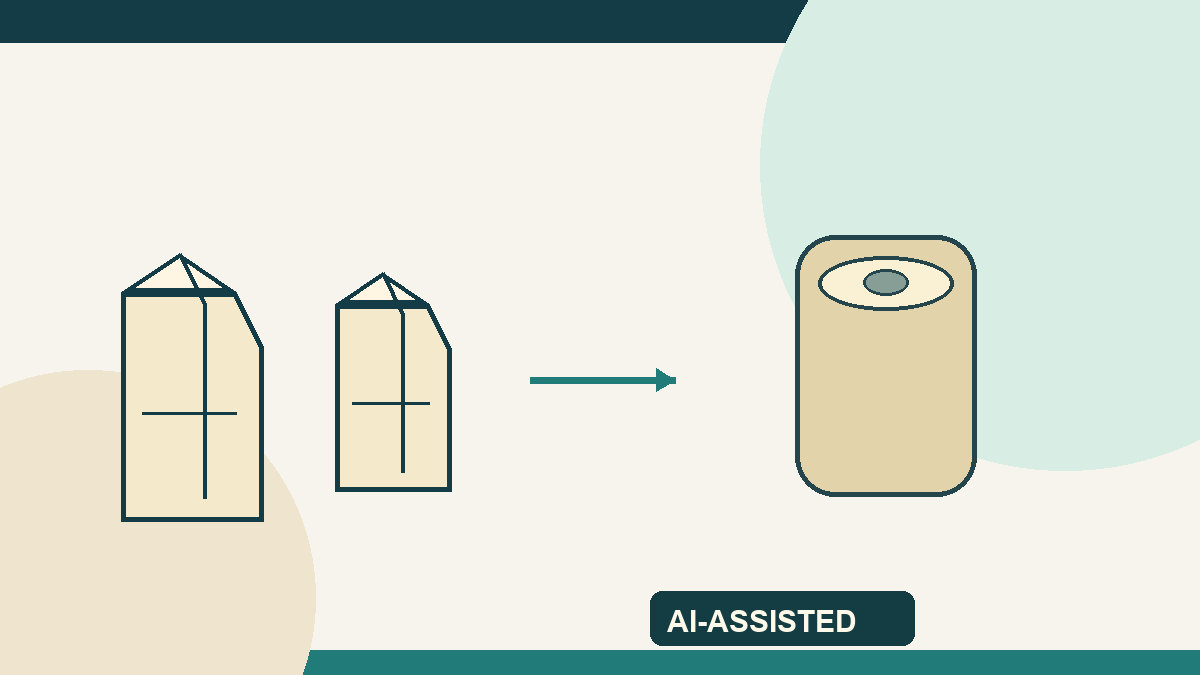
As of October 5, 2026, Korea’s separate collection of beverage cartons at apartment complexes subject to mandatory management is in a voluntary early rollout from October. The ministry says it plans to amend the relevant collection guideline and make the scheme mandatory for those complexes from January 1, 2027. A planned obligation is not a rule already in force.
Reporting from Incheon’s Seohae District illustrates how the scheme begins with a resident’s disposal route. But placing a dedicated bin does not by itself show that sorted fibre was accepted by a paper mill or turned into a recycled product. For packaging buyers, the evidence chain is disposal → collection → sorting → recycler receipt → product.
A local October practice and a planned future rule
An October 2 report from Green Economic Daily says the district plans dedicated carton bins or bags and resident notices for covered apartment complexes. Residents are told to empty, rinse, unfold and dry the cartons, keeping them separate from ordinary wastepaper. This describes a reported local practice, not a uniform, confirmed collection method for every home in Korea. Residents should check the management office for the actual bin and pickup arrangements.
The Ministry of Climate, Energy and Environment’s September 21 release and attached PDF says separate collection will begin voluntarily at apartment complexes subject to mandatory management in October 2026. The ministry then plans to revise its Guideline on Separate Collection of Recyclable Resources for mandatory implementation at those complexes on January 1, 2027. The release describes approximately 144,000 apartment buildings in the target class; that is not a measured participation count or a quantity of recovered fibre. The final amended guideline and precise scope must be checked before its effective date.
Agreed roles are not audited recovery outcomes
The ministry says many used cartons now enter general refuse or ordinary wastepaper and become residual waste during recycling. Under its public–private agreement, obligated producers are to share collection, sorting and recycling costs and expand purchases of recycled products. Carton manufacturers are to support design improvements and sorting upgrades, including optical sorting. Collectors, sorters and recyclers have their own roles; coordinating institutions are to support promotion, accounting and subsidies. These are the agreement’s roles and policy aims, not proof that every participant has already delivered the same equipment, quality or tonnage.
A used beverage carton is not automatically the same recovered-fibre grade as ordinary wastepaper. The attached agreement also calls for efforts to separate ordinary cartons from aseptic cartons after collection. A single figure for “cartons collected” therefore cannot establish what grades were passed to which recycler, or whether the fibre entered a particular paper product. Do not present bins installed as an achieved closed-loop recovery rate.
What to record at each handoff
The following are editorial verification questions, not a new statutory form or reported achievements of the agreement parties.
- Disposal: Which complexes and start dates are in scope? What bins or bags keep cartons apart from wastepaper, and how is leftover liquid or contamination handled?
- Collection: Record pickup date, collector, the basis for weighed or estimated quantity, and whether ordinary and aseptic cartons are mixed. Distinguish estimates from accepted weights.
- Sorting and receipt: Link the sorter and recycler’s receipt, contamination and moisture observations, sorting loss and accepted quantity to the same reporting period.
- Product: Ask the recycler what material it actually accepted and what product class it made. A recycled-content percentage or return to a particular paper-packaging SKU needs separate product-level evidence.
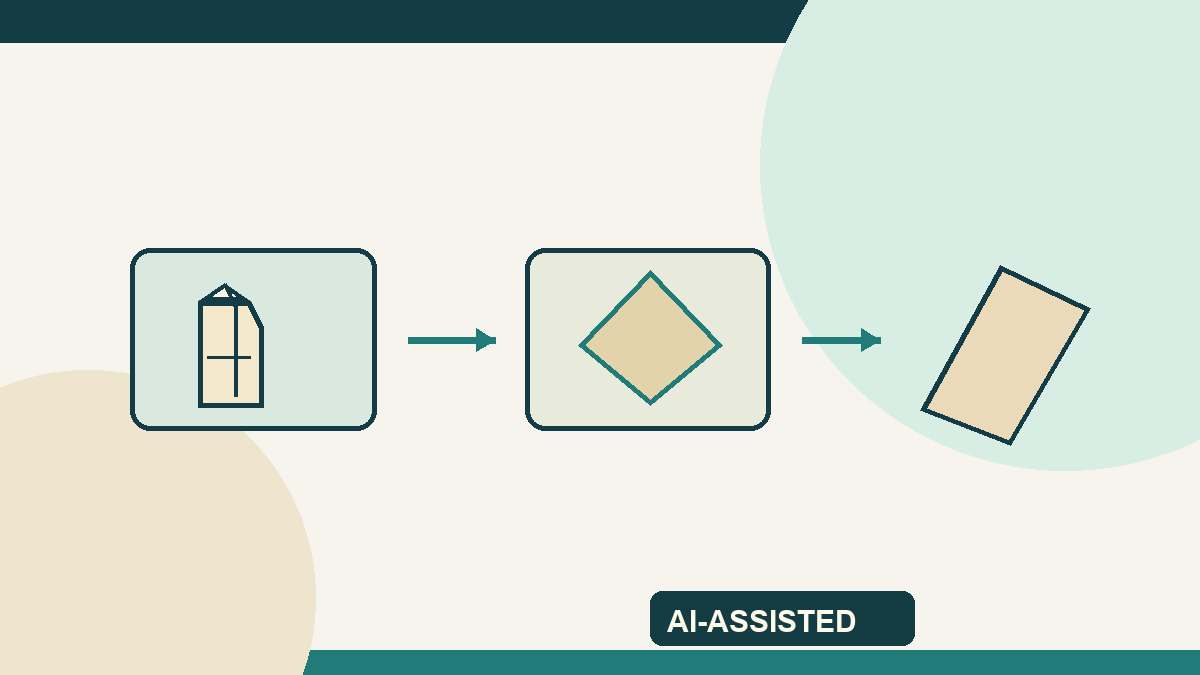
In short, October 2026 is a voluntary rollout. The January 2027 mandate is a ministry plan conditional on a guideline amendment. Start the local separation route, but do not call the circular supply chain complete until material, grade and handoff records support that claim.
About the Author
PackingMaster edits PaperPackLog, covering paper-packaging markets, materials and manufacturing with attention to verifiable evidence.
References
- Ministry of Climate, Energy and Environment, carton-recycling partnership release and PDF — primary release for voluntary rollout, planned mandate, partner roles and sorting scope.
- Green Economic Daily, report on carton collection in Incheon’s Seohae District — local collection plans and resident instructions, not verified recovery volumes.