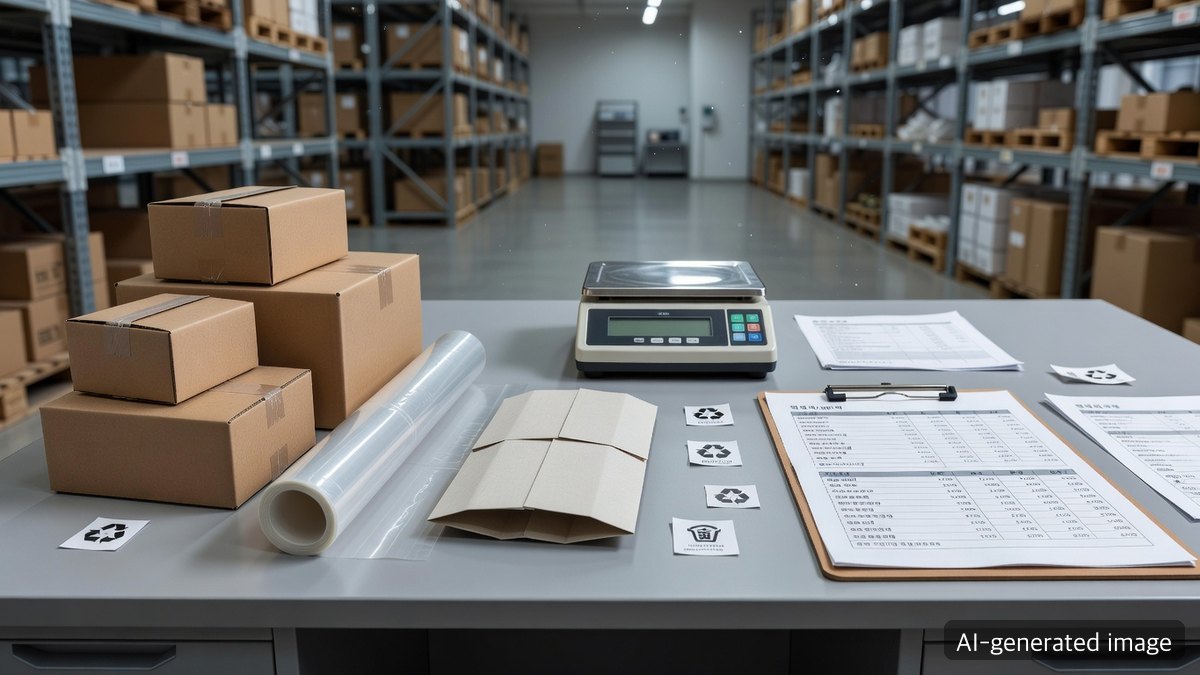
Korea’s packaging EPR system may feel more familiar than overseas regulations, but it is often confusing in practice. Product manufacturers, importers, packaging suppliers, designers, and administrative teams may all hold different pieces of information. For paper packs, films, and composite packaging, the most common questions are: how should the material be classified, what disposal label is required, and what data is needed for fee calculation?
EPR stands for Extended Producer Responsibility. In practical terms, companies that place packaged products on the market need to manage recycling obligations and related costs. That means packaging material, unit weight, shipment or import volume, recycling labels, and material-structure assessment data should be connected.
Why EPR should not belong only to the environmental team
Packaging EPR is often treated as an administrative or environmental task. In reality, it touches product development, procurement, quality, sales, logistics, and design. Development teams choose the package, procurement manages suppliers, designers prepare labels, and administrative teams collect reporting data. If these functions work separately, the data becomes inconsistent.
A supplier may call a material “paper,” while the actual structure includes plastic coating. A designer may use a simple disposal label, while the package contains a body, cap, film, and label made of different materials. Imported products may come with overseas specifications that do not match Korean reporting requirements.
The starting point is a connected table: product code, packaging code, material composition, unit weight, disposal label, and data source.
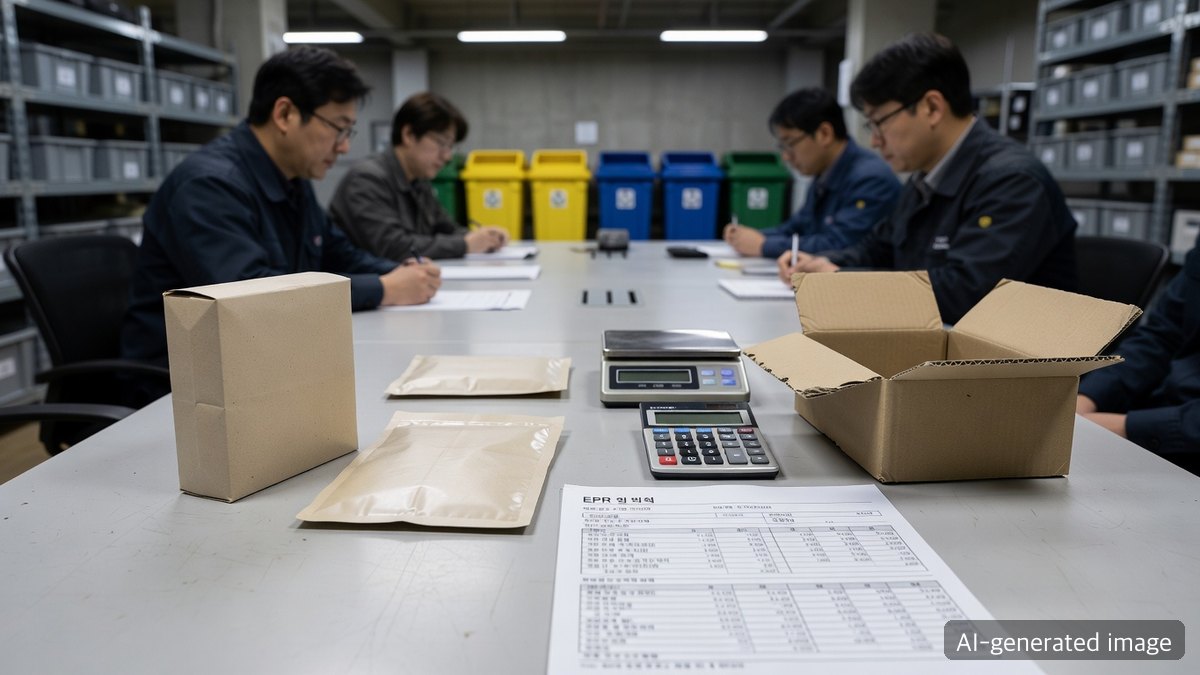
Where paper packs, films, and composites create confusion
Paper packs include the word paper, but they should not be treated as simple paper packaging without review. Liquid or food packaging may include plastic layers, aluminum, or barrier coatings. The recycling route and disposal instructions may differ from ordinary paper boxes.
Film packaging is also complex. A mono-material film, a multilayer film, and a printed laminated structure can have very different recycling implications. The word “film” is not enough for classification.
Composite packaging combines paper, plastic, metal, and adhesive layers. It can provide excellent product protection, but it also increases the number of items to check for labels, reporting, and material-structure assessment.
Practical checks include:
- Material name and ratio for each packaging component
- Component weight: body, cap, label, cushioning, outer pack
- Whether the consumer can separate materials
- Location and wording of disposal labels
- Whether material-structure assessment applies
- Shipment or import volume needed for fee calculation
Weight data is the core of fee management
Packaging fees eventually depend on material category, unit weight, and shipment or import quantity. The most common bottleneck is weight data. Companies may not have unit packaging weights, supplier quotations may use a different unit, or secondary materials may be omitted.
A basic EPR data table should include:
- Product code
- Packaging code
- Packaging name
- Material category
- Unit weight
- Annual shipment or import quantity
- Disposal label draft
- Material-structure assessment data
- Supplier and source document
- Final reviewer and review date
This is not just an administrative table. It becomes the reference when a customer requests environmental packaging data, when packaging specifications change, or when imported product labels need to be updated.

What to re-check when packaging changes
A small packaging change can be significant under EPR. Changing a label material, adding a coating, reducing film thickness, or modifying a paper pack structure can affect weight, material classification, assessment results, and disposal labeling.
Before a change is released, check:
- Has unit weight changed?
- Has the main material category changed?
- Does the disposal label still match the structure?
- Could the material-structure assessment result change?
- Does customer documentation need to be reissued?
- Will old and new packaging be shipped at the same time?
When old and new packaging coexist, reporting quantities and weights can be mixed. Record the change date, inventory depletion date, and affected product codes.
Closing thoughts
Korea’s packaging EPR system is not a distant regulation. Manufacturers and importers already need to manage material, weight, labeling, and fee data. Paper packs, films, and composite packaging require even more disciplined data management.
The key is to stop managing packaging only with words such as “paper,” “film,” or “composite.” Manage it as data: material, weight, label, source document, and revision history. That data supports reporting, customer requests, packaging changes, and cost estimates.
About the Author
PackingMaster writes practical B2B content on paper packaging, corrugated boxes, export packaging, and sustainable packaging regulations. The focus is on checklists and decision criteria that procurement, quality, and logistics teams can use together.
References
- Background — Korean Ministry of Environment packaging notice: https://www.me.go.kr/home/web/board/read.do?boardId=1831090&boardMasterId=827&menuId=10557
- 환경공단, 재활용 쉬운 포장재 생산 확대…최우수 포장재 4종으로 늘려