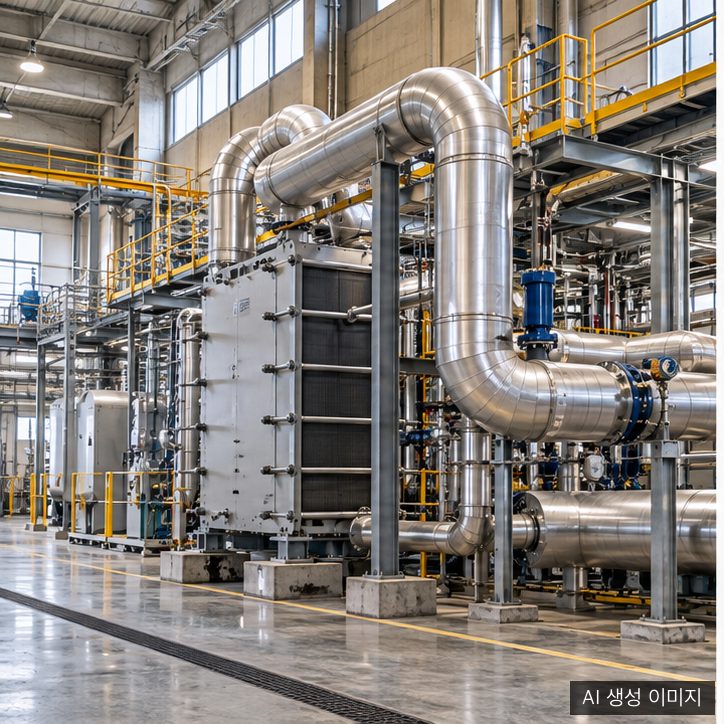
Electrifying drying-process heat is receiving attention in the paper industry. But a supported hot-water demonstration and a high-temperature steam development program are not the same technical milestone. Korea’s climate and energy ministry distinguished them in its October 29 announcement. The images here are generic illustrations, not photographs of the demonstration.
Field problem
According to the ministry’s release, the ministry and Korea Institute of Energy Technology Evaluation and Planning are supporting core technology development and demonstration of a 3.5 MW heat pump that uses paper-industry waste heat at approximately 38°C to make hot water above 100°C. Separately, work is under way on components and systems for industrial heat pumps capable of producing steam above 180°C.
The heat-transfer medium and development stage differ. The announcement does not establish that a particular mill is already producing 180°C steam continuously, nor does it report measured annual savings.
Evidence to check
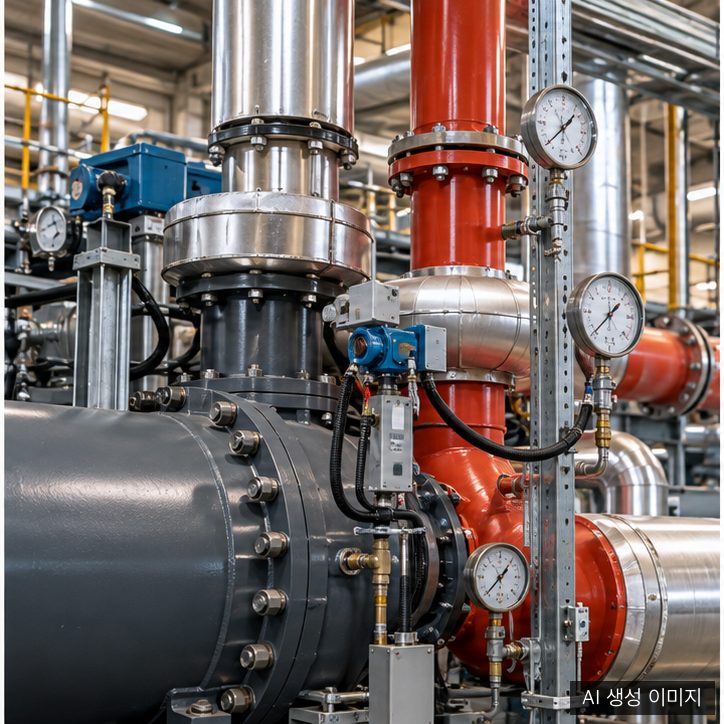
One headline temperature cannot decide whether a mill should electrify its process heat. Engineers need the available waste-heat flow and seasonal temperature, the required hot-water or steam pressure and demand by time of day, and the portion of boiler output that could actually be displaced. Electricity accounting should include circulation pumps and auxiliary loads, not only the compressor. These are editorial evaluation questions, not measurements published by the ministry.
Our earlier Ajin P&P heat-pump case separates installation and commissioning from projected savings at an individual mill. This article instead examines the different stages of a national hot-water and steam R&D program. The two should not be treated as one project or as identical operating results.
Practical deliverable
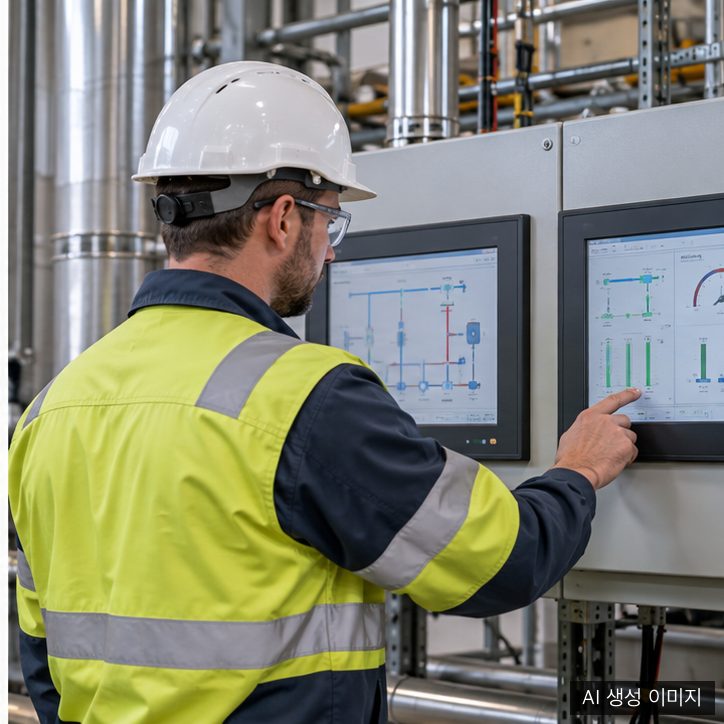
Build a review sheet with separate entries for (1) waste-heat temperature and flow, (2) output medium and target temperature/pressure, (3) hourly heat demand, (4) compressor and auxiliary electricity, (5) baseline boiler fuel, and (6) continuous operating hours and downtime. Keep hot-water and steam applications on different lines so expected and verified savings are not confused.
When to hold application
Without published demonstration data, or when hot water cannot meet a drying process’s required steam conditions, do not transfer a savings or emissions-reduction percentage to another mill. Commercial applicability of the 180°C steam work needs later development and demonstration evidence.
About the Author
PackingMaster edits PaperPackLog’s coverage of paper-packaging markets and technical application conditions.