Operational problem
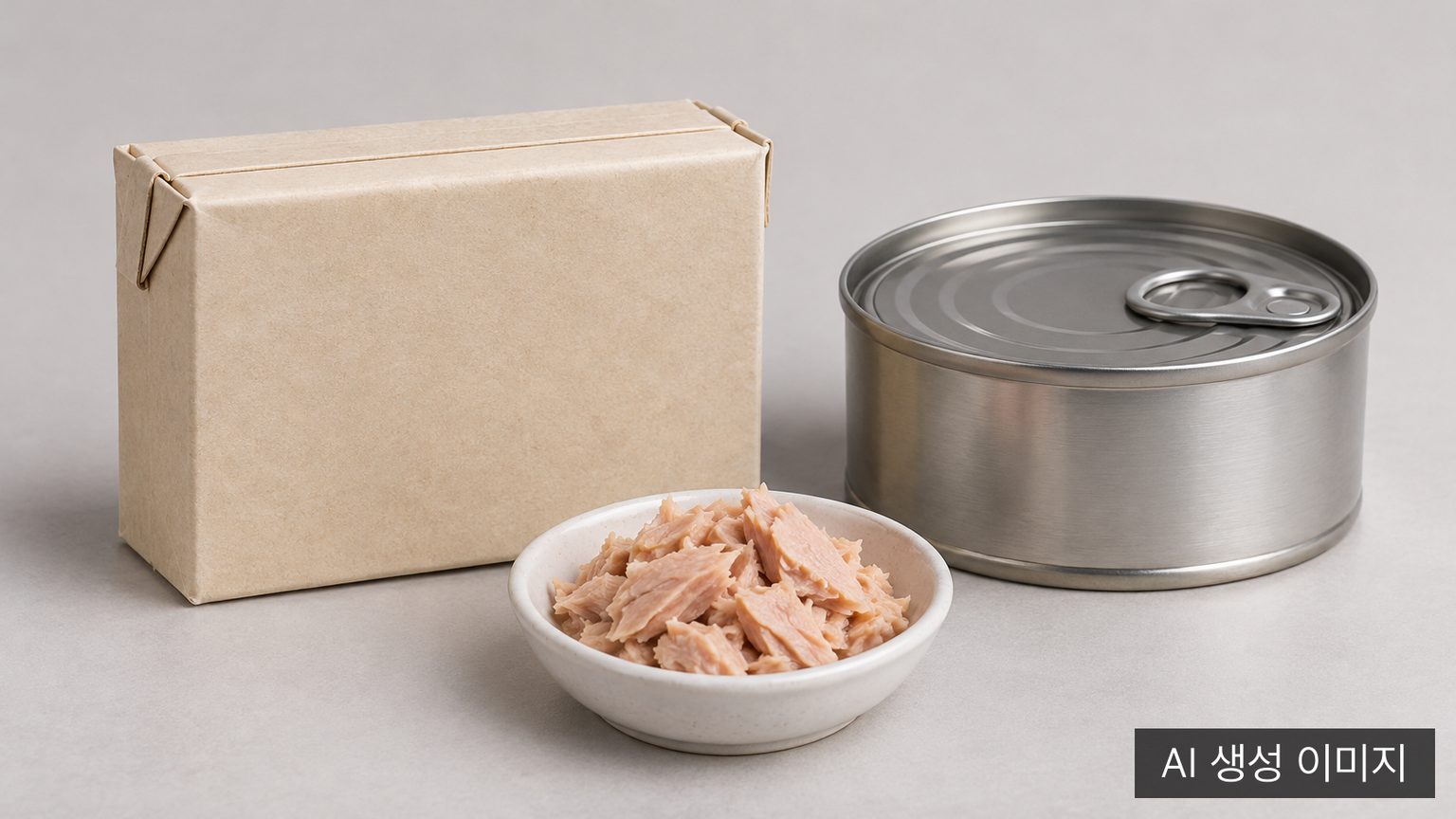
An overseas shelf-stable tuna carton launch does not mean Korean production is approved or underway. Tetra Pak said its Tetra Recart tuna pack, developed with Spanish producer Jealsa, launched in Sweden in May 2026 in a 200 ml format. In a November 5 report by ETNews, the company said a Korean customer was reviewing equipment adoption. That does not establish a signed investment, installation, or local production start.
Evidence to request
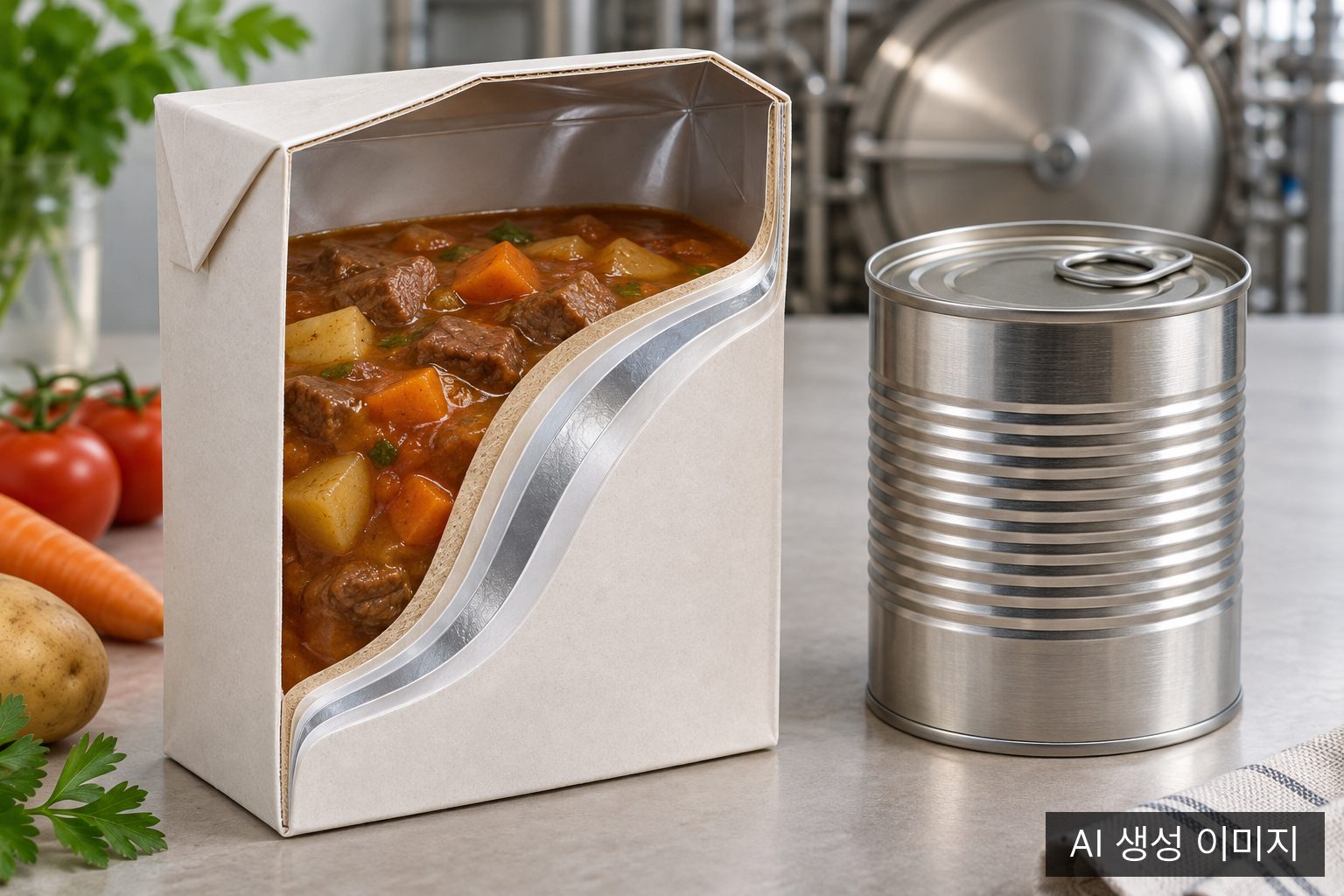
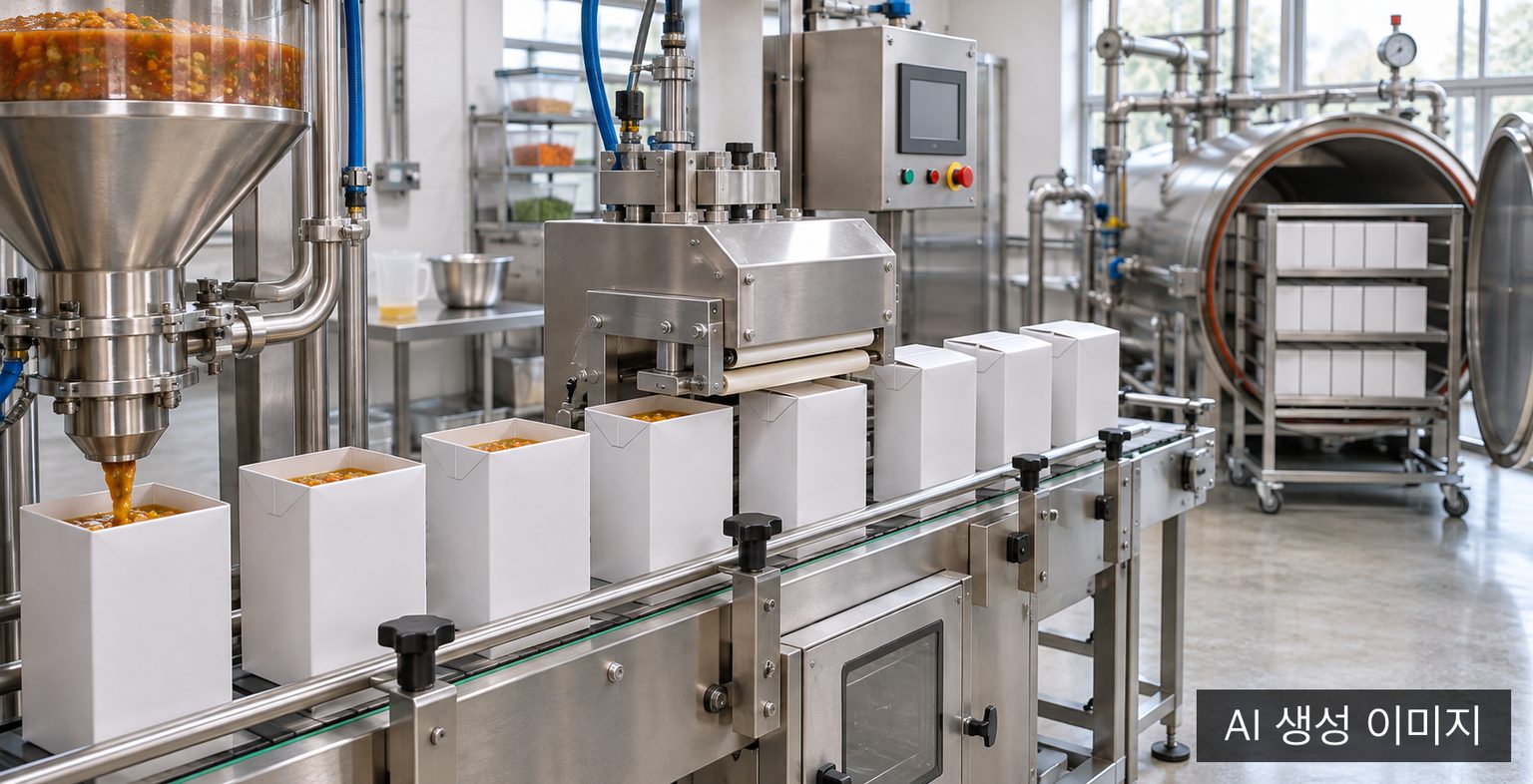
Tetra Recart is filled and sealed before the entire package undergoes retort heat treatment. That differs from aseptic filling of beverage cartons. ETNews describes a composite structure of paper, polymer, and aluminium. The phrase paper-based therefore does not establish compatibility with ordinary waste-paper collection. A converter needs product-specific evidence on filling and sealing equipment, retort conditions, seal strength, leakage, shelf life, and the tuna texture expected by its consumers. Separately, it needs proof of local carton collection, sorting, material separation, and an actual recycler accepting the output.
Practical deliverable
Use two approval sheets: production and quality for conversion cost, throughput, heat-treatment and seal trials, and distribution quality; collection and recycling for local disposal instructions, collection agreements, sorting yields, and confirmed offtake. Compare logistics or carbon claims with cans only when package size, geography, and system boundary match.
Hold conditions
Without an investment decision and a verified recovery route, avoid saying the format has launched in Korea or is already being recycled there. Unlike earlier beverage-carton discussions, this case couples solid-food retorting with recovery of a composite structure.
About the Author
PackingMaster: PaperPackLog editor covering the paper packaging industry through public evidence and practical procurement, quality, and operations questions.