The field problem
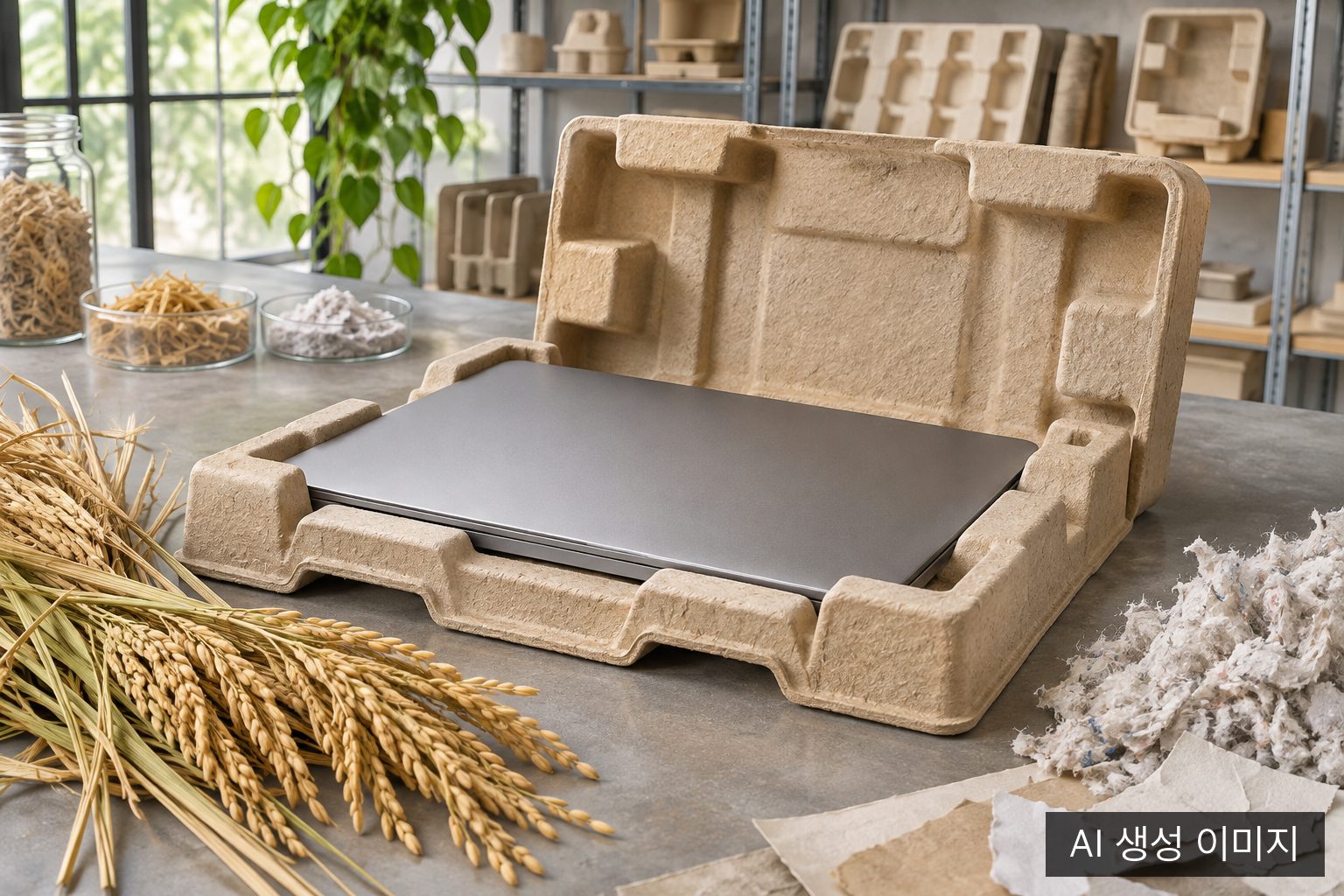
Replacing plastic cushioning around a laptop with molded fiber is not simply a material swap. The pack must protect corners and the display, fit the device, and work on the packing line.
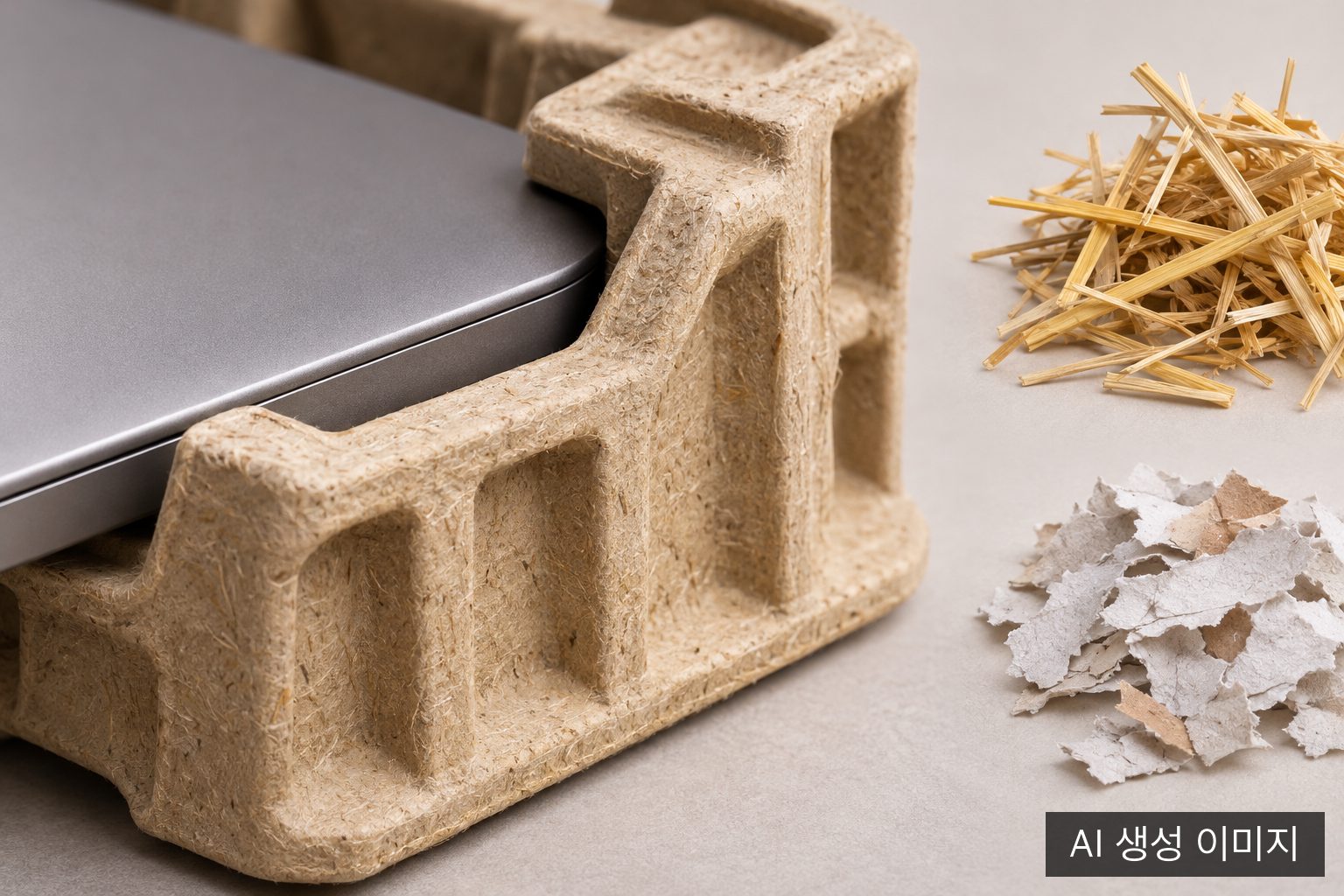
Packaging Insights reported on November 13 that Sealed Air’s Fagerdala business and Lenovo had developed a laptop pack using a 50:50 blend of straw pulp and recycled paper pulp. According to that report, it was introduced to the Chinese market in 2025. The new article does not, by itself, establish a 2026 launch or a rollout across every global model. Images here are concepts, not photographs of the companies’ product or facilities.
Evidence to check
The report describes the stated blend, pulping, molding, drying and hot-pressing process, and the companies’ work on structural fit and protective performance. It does not publish model-specific drop or vibration results, dimensional tolerances, rejection rates, or input-lot variation. A statement that the partners performed validation is not a substitute for approval against a buyer’s own distribution route.
The reported plastic-displacement and straw-recovery figures are company estimates framed around 10 million packed laptops. They are not observed savings or proof of how many units have actually switched. We did not find a separate direct Sealed Air or Lenovo release establishing a new scale-up or publishing measured performance for this particular pack.
Practical deliverable
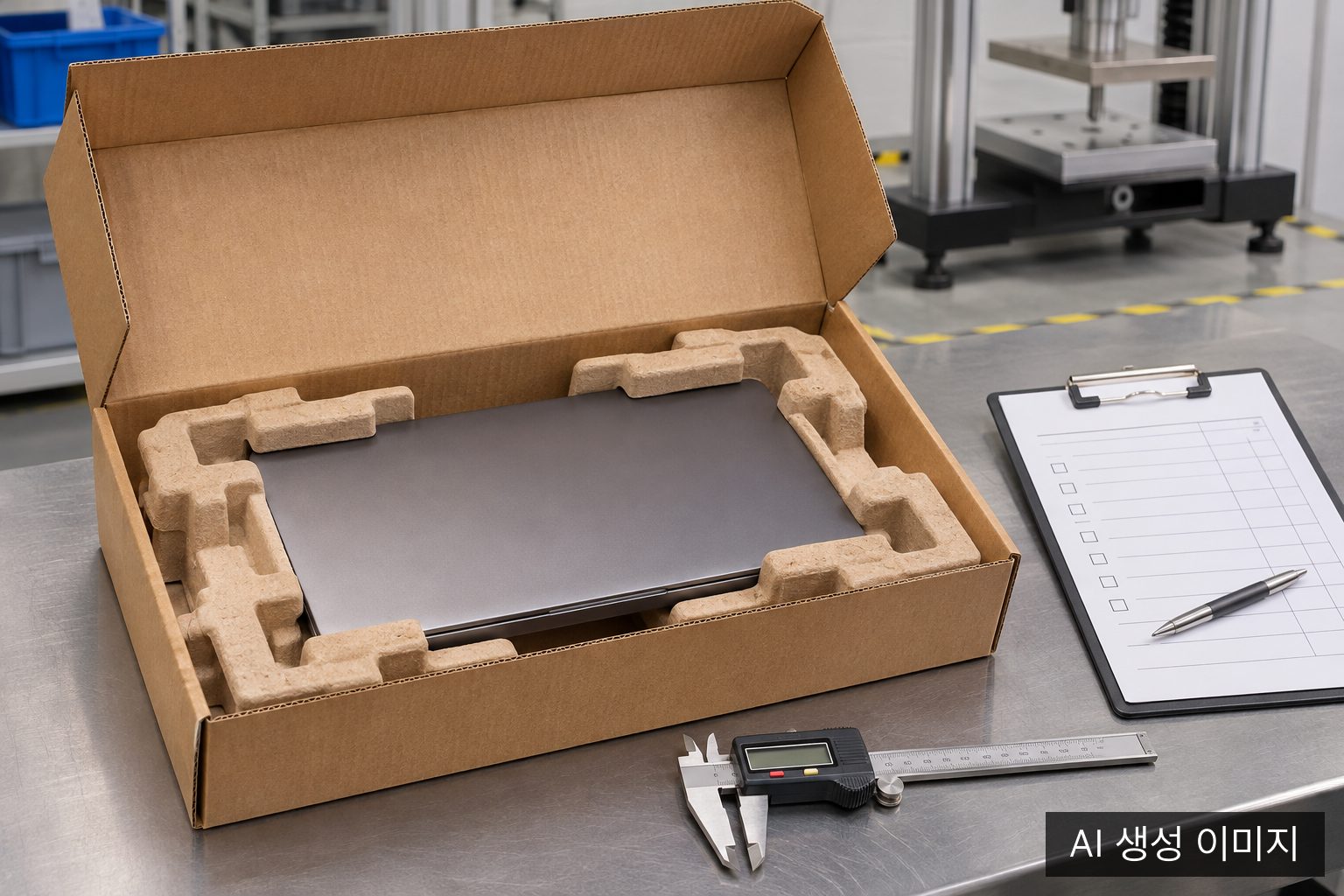
For a similar material, procurement and development teams can maintain a model-and-lot approval sheet. The following are editorial verification suggestions, not pass limits disclosed in the report.
| Observation | Source of criterion | Status to record | Owner and action |
|---|---|---|---|
| Fiber blend and input lot | Supplier specification and contract | Documented or missing | Procurement confirms permitted blend and substitutes |
| Cushion dimensions and contact points | Device drawing and pack specification | Fit or redesign by model | Design checks tolerances and assembly interference |
| Device condition after drop and vibration | Customer transport test plan | Untested, pass or retest | Quality obtains results for the actual route |
| Forming defects and post-drying distortion | Production approval rules | Lot trend | Manufacturing traces settings and defect causes |
When to defer application
Defer approval if protection results for the actual model and route are absent, or if input lots cannot be linked to finished-part dimensions. Neither “contains straw” nor “can replace plastic” demonstrates equal protection across a whole laptop range. Unlike our broader discussion of non-wood molded fiber, this case focuses on model-level approval for electronics cushioning.
About the Author
PackingMaster: Editor of PaperPackLog. Covers market trends, product insights, and technology in the paper packaging industry.