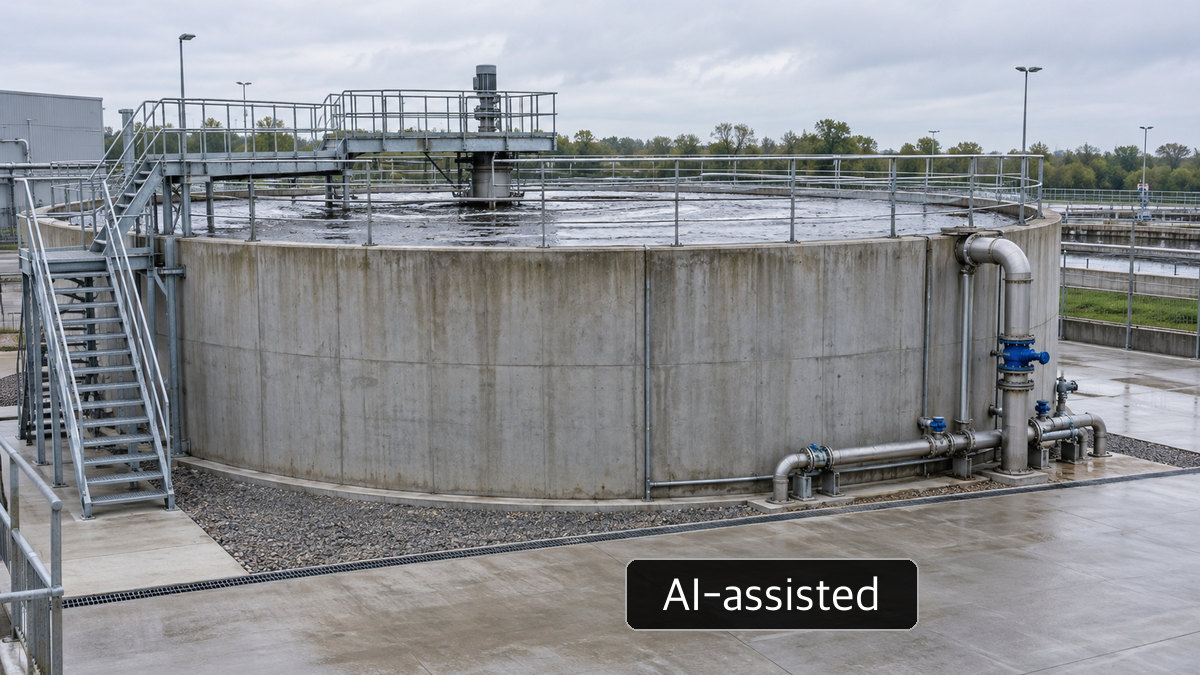
A mill can resume discharging treated wastewater without yet producing saleable pulp. That distinction is central to the October 2026 incident at Mercer Rosenthal in Germany. MDR’s October 10 report says Mercer reported gradually resuming discharge from its on-site wastewater treatment plant into the Saale on October 3, in coordination with the authorities, while preparing to resume pulp production. Lesprom’s October 12 account relays the same company status. Neither report provides a date, volume or independent operating record for resumed pulp production.
The incident and the water-sampling update are different stages
| Date | What the named source says | Limit of that evidence |
|---|---|---|
| October 1 | The Saale-Orla district office reported an incident at the Mercer plant: as-yet-unidentified substances entered the Saale, with odor, visible turbidity and some dead fish. It said the release was stopped that afternoon and samples were taken. | A contemporaneous authority warning, not an identification of the chemical substances or a completed assessment of the mill’s cause and liability. |
| October 2 | The district’s follow-up said visible surface turbidity was no longer apparent on its inspection, but more dead fish were found and laboratory results remained pending. | Visual improvement was not the laboratory conclusion. |
| October 3 | Mercer said, as relayed by MDR and Lesprom, that treated-wastewater discharge was being resumed gradually. | A company-attributed discharge status, not proof of pulp output, continuous effluent compliance or customer shipments. |
| October 9 | In its later notice, the district said samples taken directly after the incident had elevated organic and inorganic burdens. Citing the Thuringian environmental agency (TLUBN), it attributed fish deaths in the specified river stretch to a short, acute oxygen deficit. Samples taken later that week were back in the normal range; it also reported a sample taken at the discharge point on Wednesday was within the usual range. | Findings on specified samples and locations; not a blanket certification of future effluent performance, every environmental impact or restored pulp production. |
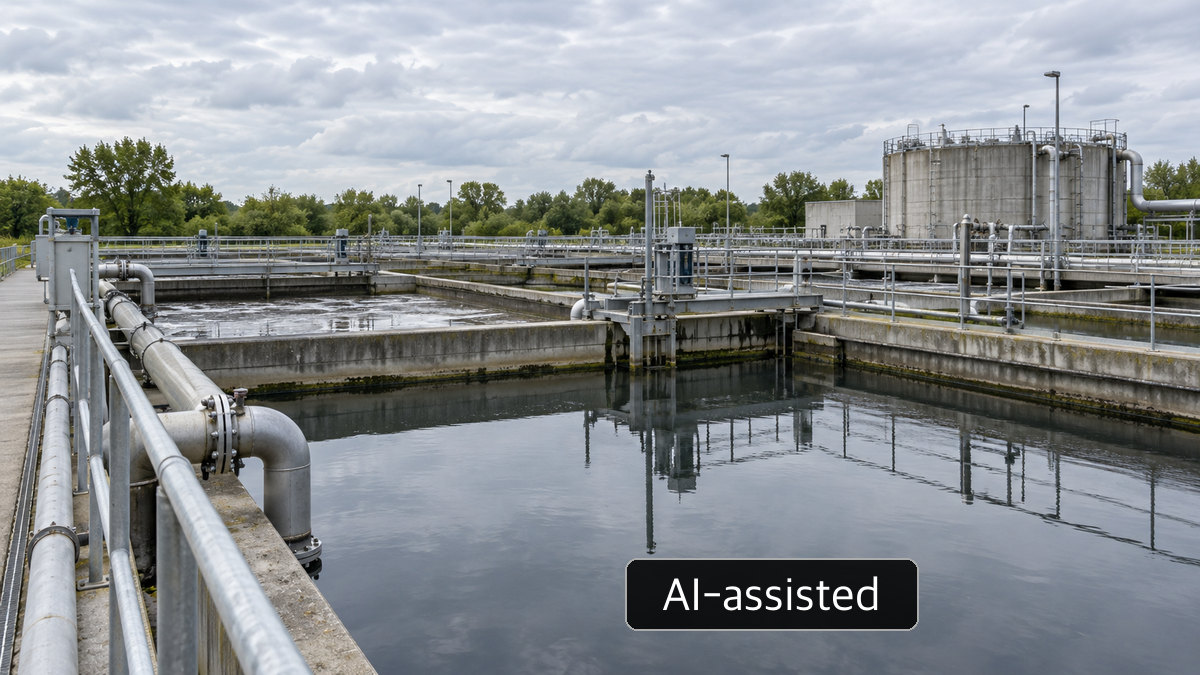
The district also said wastewater discharge had been stopped promptly after the incident and wastewater retained. MDR and Lesprom report the company used its own buffer basins. The district notice supplies an authority account of the incident and later sampling; the specific October 3 gradual-resumption date remains a company statement repeated by the two outlets, not a separate production measurement. Mercer’s original announcement URL returned HTTP 403 when checked for this draft on October 13, so we cannot claim direct inspection of its release. The attempted URL is recorded in the accompanying research matrix, not presented here as a working reader citation.
Do not translate “preparing” into “producing”
MDR says Mercer was preparing to resume pulp production in parallel with the wastewater-discharge process. Lesprom uses substantially the same sequence. That is an intention or preparation, not a statement that a pulp line reached stable operation. The reviewed reports and notices do not provide a verified first production date, operating rate, grade-level quality release, finished inventory or shipment status. Likewise, the district’s water samples do not determine the status of customer orders.
For a paper or packaging purchaser, the practical distinction is between four evidence gates. This is an editorial purchasing checklist, not a description of Mercer Rosenthal’s actual production log, permit conditions or customer contracts.
| Gate | What is publicly established in the reviewed sources | What to request for a specific order |
|---|---|---|
| Water and discharge | Company-reported gradual resumption on October 3; district-reported later sample findings | Current site/permit-specific discharge status and dated monitoring record from the responsible parties; do not infer permanent compliance from one sample |
| Pulp process | Preparations to resume were reported; no actual output record cited | Which line and grade ran, when, for how long and at what sustained rate; any remaining restrictions |
| Saleable quality | Not established by the cited incident updates | Grade specification, batch/lot identification, test results and quality-release decision for the ordered pulp |
| Customer delivery | Not established by the cited incident updates | Supplier confirmation connecting the actual supplying site, released lot, available quantity, order allocation and dispatch date |
Lesprom describes the Rosenthal product as kraft pulp used by paper and tissue manufacturers. That explains why buyers may ask about supply continuity; it does not establish that any named packaging grade or customer order was delayed. Nor does a stated annual capacity say what the mill produced during or after this episode. Hold any delivery forecast until the supplying plant and the relevant lot are confirmed.
The defensible status is therefore narrow: a company-reported gradual return of treated-wastewater discharge, an authority’s time-and-place-specific sampling update, and preparations for pulp production. Subsequent production, saleable quality and dispatch remain separate questions for a dated supplier response.
About the Author
PackingMaster: Editor of PaperPackLog, covering paper-packaging industry developments, products and technical decisions.
References
- Saale-Orla district office, October 1, 2026 — incident warning
- Saale-Orla district office, October 2, 2026 — follow-up while laboratory results were pending
- Saale-Orla district office, October 9, 2026 — sample results and water-contact advisory update
- MDR, October 10, 2026 — company’s discharge and production-preparation statements
- Lesprom, October 12, 2026 — trade account of company’s discharge statement