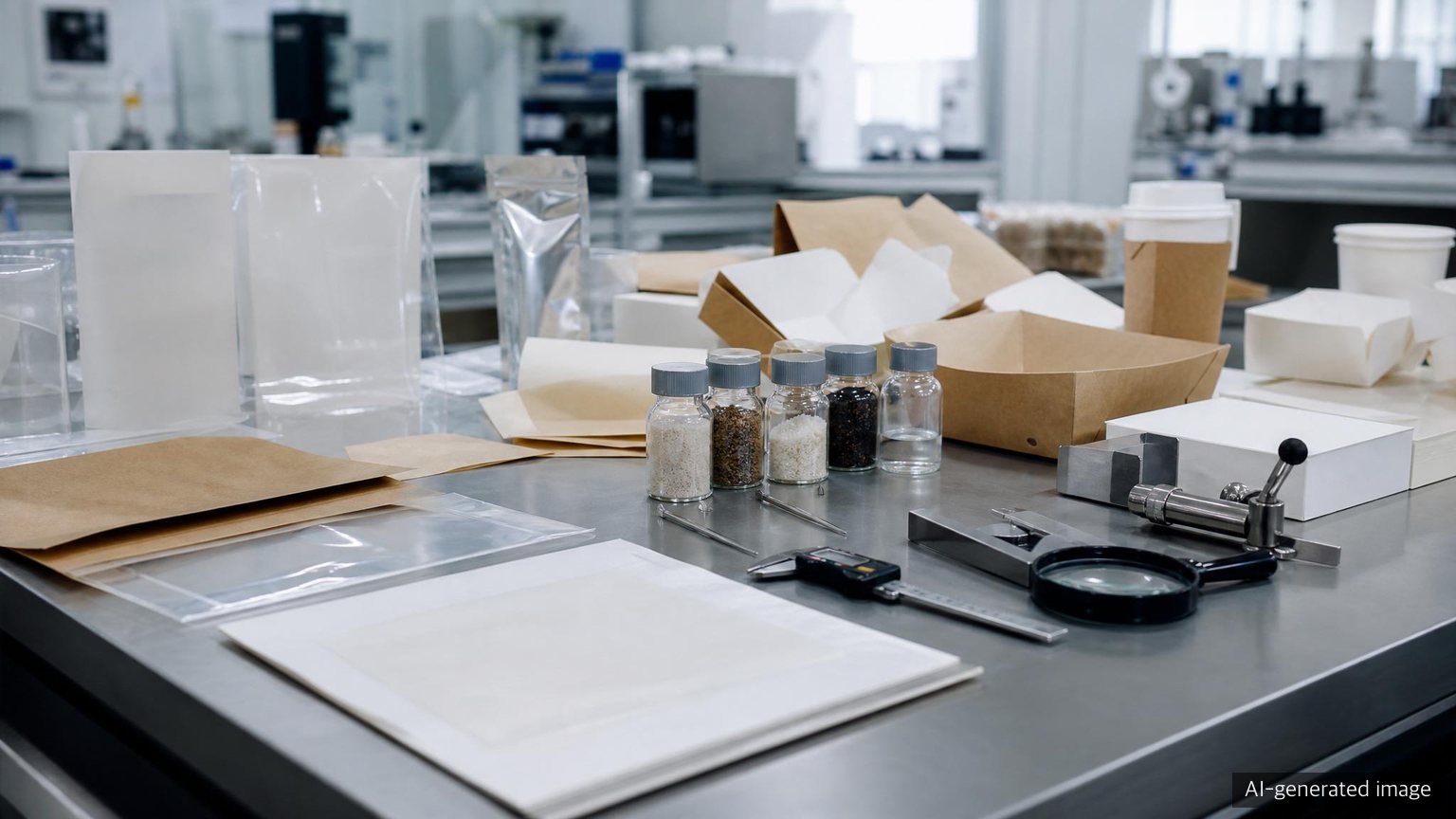
Recycled paper is often used to explain the sustainability value of paper packaging. It can reduce virgin fiber use and keep material in circulation. In food packaging, however, “recycled” is not enough by itself. Recycled fiber can carry substances from previous printed materials, packaging, and collection streams. One issue often discussed in this context is mineral oil hydrocarbons.
Mineral oil hydrocarbons are commonly discussed as MOSH and MOAH. MOSH means mineral oil saturated hydrocarbons, while MOAH means mineral oil aromatic hydrocarbons. MOAH receives particular attention in food-contact discussions because some components may raise safety concerns. For packaging teams, the practical question is not whether the words sound alarming. It is which package structures require which controls.
Start with food contact
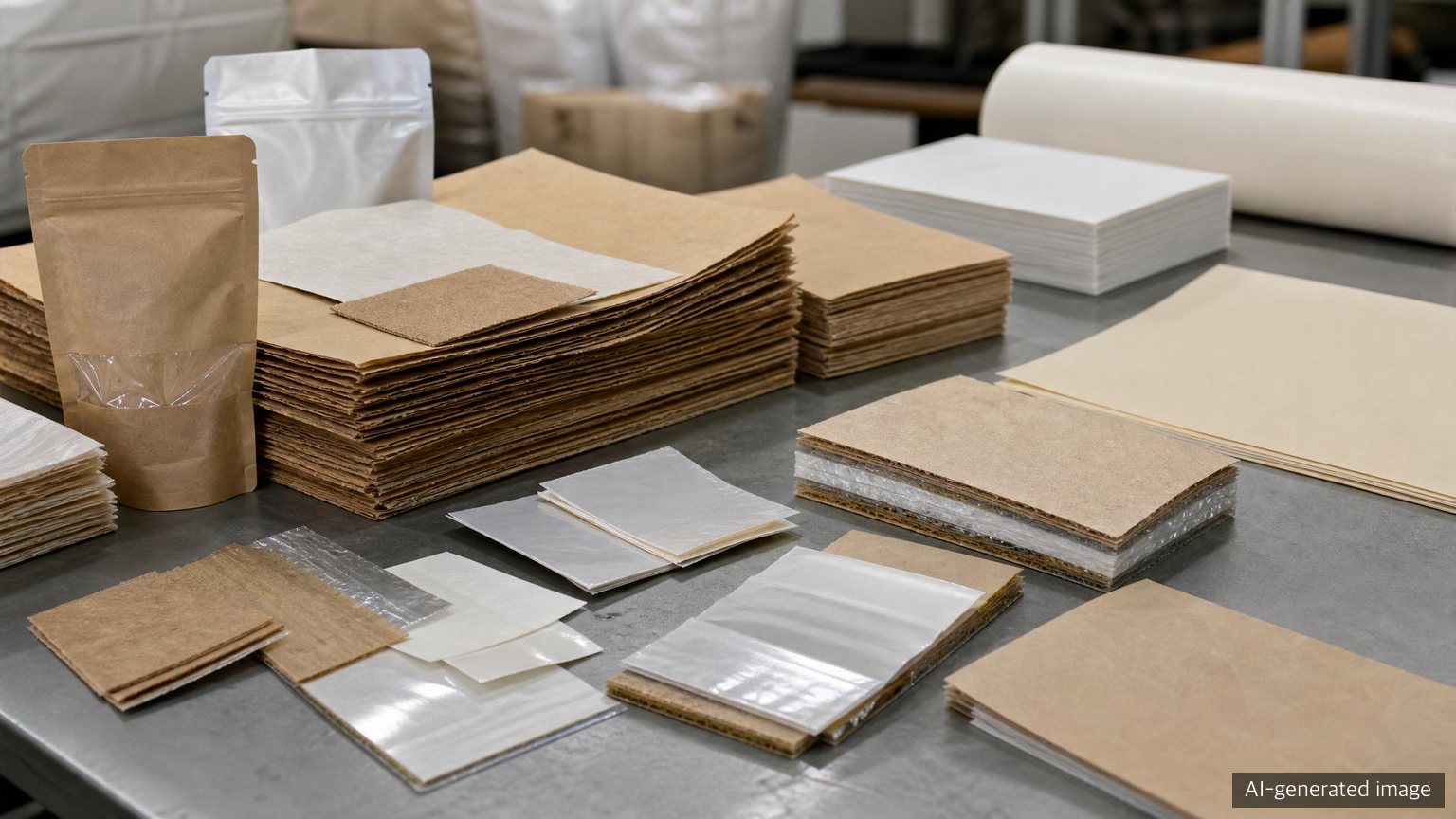
Not every recycled paper package has the same risk profile. The first question is whether the paper touches the food directly. A shipping case, display tray, or outer carton is different from primary packaging in direct contact with bread, snacks, grains, tea, or dry food.
Packaging teams should distinguish:
- primary packaging versus secondary or transport packaging,
- direct food contact versus separated food contact,
- dry food versus fatty food,
- short shelf life versus long storage,
- normal temperature versus elevated temperature exposure,
- the presence or absence of a functional barrier.
Fatty foods and long storage conditions should be reviewed more carefully. The first issue is not simply whether the paper is recycled or virgin fiber. It is how the paper and food meet in the final package.
MOSH/MOAH is also a supply-chain control issue
Mineral oil discussions around recycled paper are linked to printed paper, inks, recovered fiber streams, and deinking processes. But practical risk is not decided by one raw material alone. Sorting, pulping, paper production, coatings, printing, storage, transport, and final package design can all matter.
For food packaging applications, ask suppliers for:
- food-contact suitability documents,
- recycled fiber content and scope,
- functional barrier information,
- relevant test reports or declarations,
- ink and adhesive information,
- recommended use conditions and restrictions.
Without these documents, the phrase “recycled paper” is not enough. It may be a sustainability advantage, but it may also require additional food-contact controls.
Barriers and inner packaging are practical tools
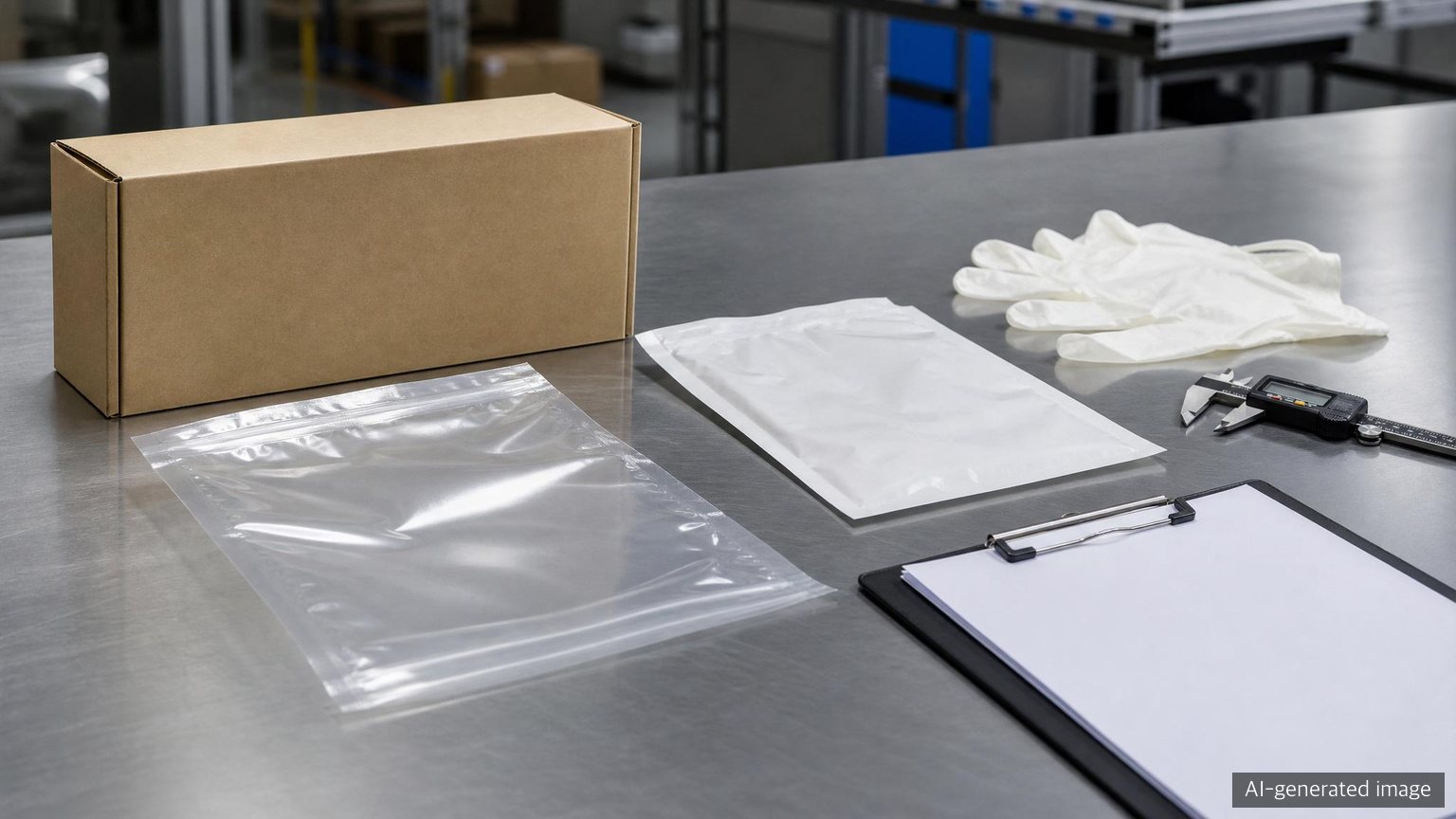
In many applications, the practical answer is not to reject recycled fiber altogether. The better approach is to design the structure around the food-contact requirement. Inner packaging, liners, coatings, and functional barriers can reduce migration potential when properly selected for the product and storage conditions.
For example, an outer corrugated case may use recycled fiber while the food itself is packed in a compliant inner pouch. For dry snacks, grains, or bakery products, the inner film, pouch, coated sheet, or barrier liner can become the critical control point. If the paper directly touches the food, food-contact suitability and test evidence become much more important.
Review points include:
- Is there a real barrier between recycled paper and food?
- Is the barrier suitable for the shelf life and storage condition?
- Do adhesive, heat-sealing, or printing processes affect the food-contact side?
- Will consumers keep the inner packaging intact until use?
- Do disposal and recycling instructions match the actual material structure?
Sustainability and food safety should be explained together
Recycled paper can be a real advantage in a packaging proposal. But for food packaging, sustainability and safety should not be separated. The customer needs to know not only that recycled fiber is used, but also where it is used and how the food-contact side is controlled.
Better proposal language may include:
- recycled paper used in the outer transport package while the food-contact layer uses suitable material,
- recycled fiber scope separated from food-contact scope,
- migration managed through an inner package or functional barrier,
- application limited by supplier documents and test conditions.
This is much stronger than a broad claim that the package is sustainable because it uses recycled paper.
Closing thoughts
The mineral oil issue in recycled paper food packaging should not be simplified into “never use recycled paper.” The real question is food contact, product type, storage condition, inner packaging, barriers, and supplier evidence.
For paper packaging teams, the task is to explain both the environmental value of recycled fiber and the safety controls around food contact. Customers need a clear answer to three questions: what touches the food, what layer provides separation, and what evidence supports the design.
About the Author
PackingMaster: Editor of Paper Pack Log, covering market trends, product information, and technical insights in the paper packaging industry.
References
- EFSA, Mineral oil hydrocarbons, https://www.efsa.europa.eu/en/topics/topic/mineral-oil-hydrocarbons
- Background — European Commission, Food contact materials, https://food.ec.europa.eu/food-safety/chemical-safety/food-contact-materials_en
- BfR, Questions and answers on mineral oil components in food, https://www.bfr.bund.de/en/questions_and_answers_on_mineral_oil_components_in_food-132213.html