The process change
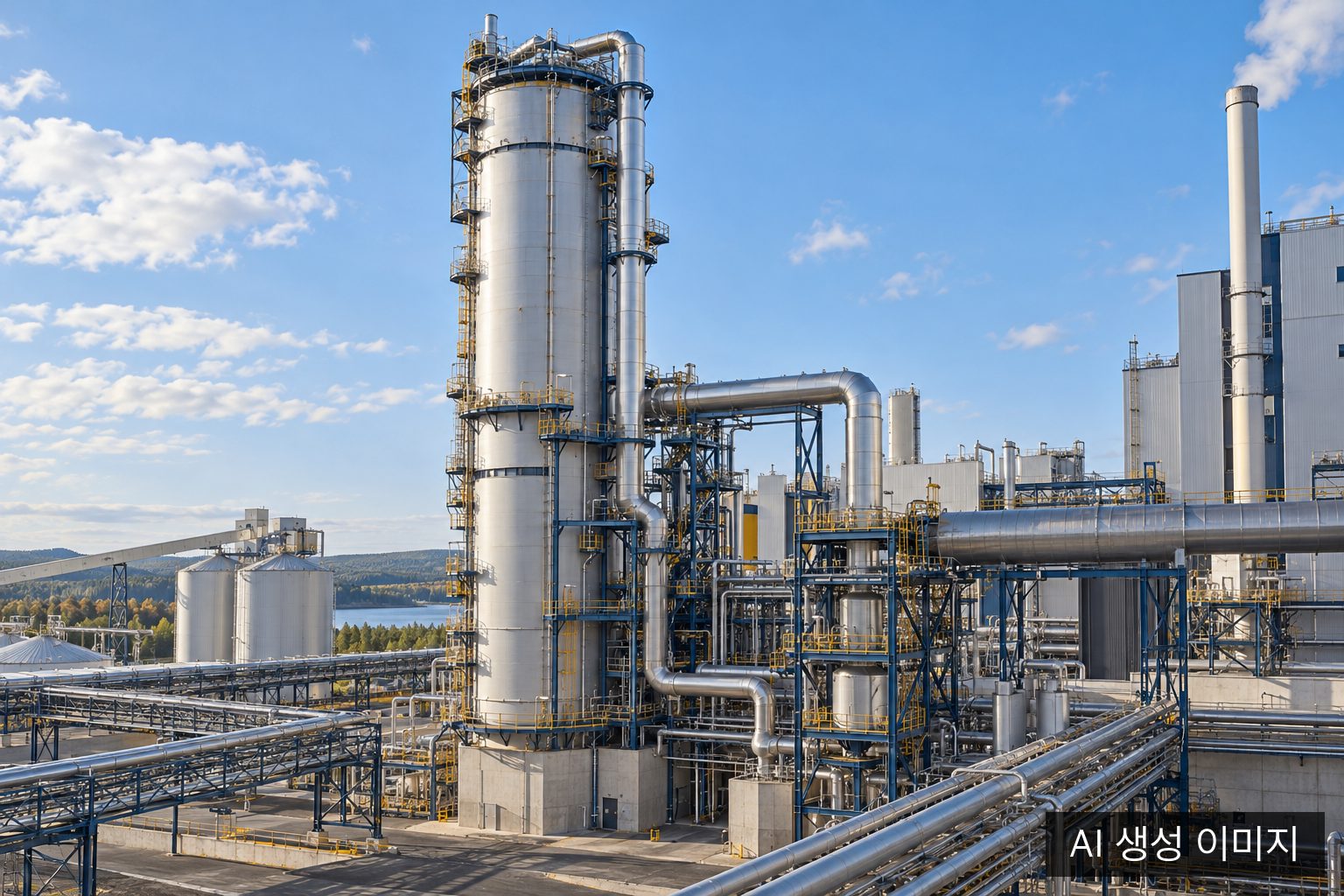
MM Group announced on October 29 that its new continuous cooking plant at the integrated Kwidzyn mill in Poland is operating. In January, ANDRITZ had described an order and a planned start-up. The meaningful update is the change from order to operation. Pulp from the mill feeds packaging kraft paper and virgin-fibre board among other grades, but start-up alone does not prove a change in price, lead time, or grade quality.
Evidence and limits
MM expects the technology to reduce wood consumption by about 50,000 cubic metres a year at unchanged output. Together with accompanying energy measures, it expects annual CO2 emissions to fall by about 100,000 tonnes, around one-third of the integrated mill’s emissions. These are company projections, not measured post-start-up savings or a certified footprint for an individual product. ANDRITZ said the LoSolids system replaces batch cooking and was designed for softwood and hardwood flexibility.
A buyer’s verification sheet
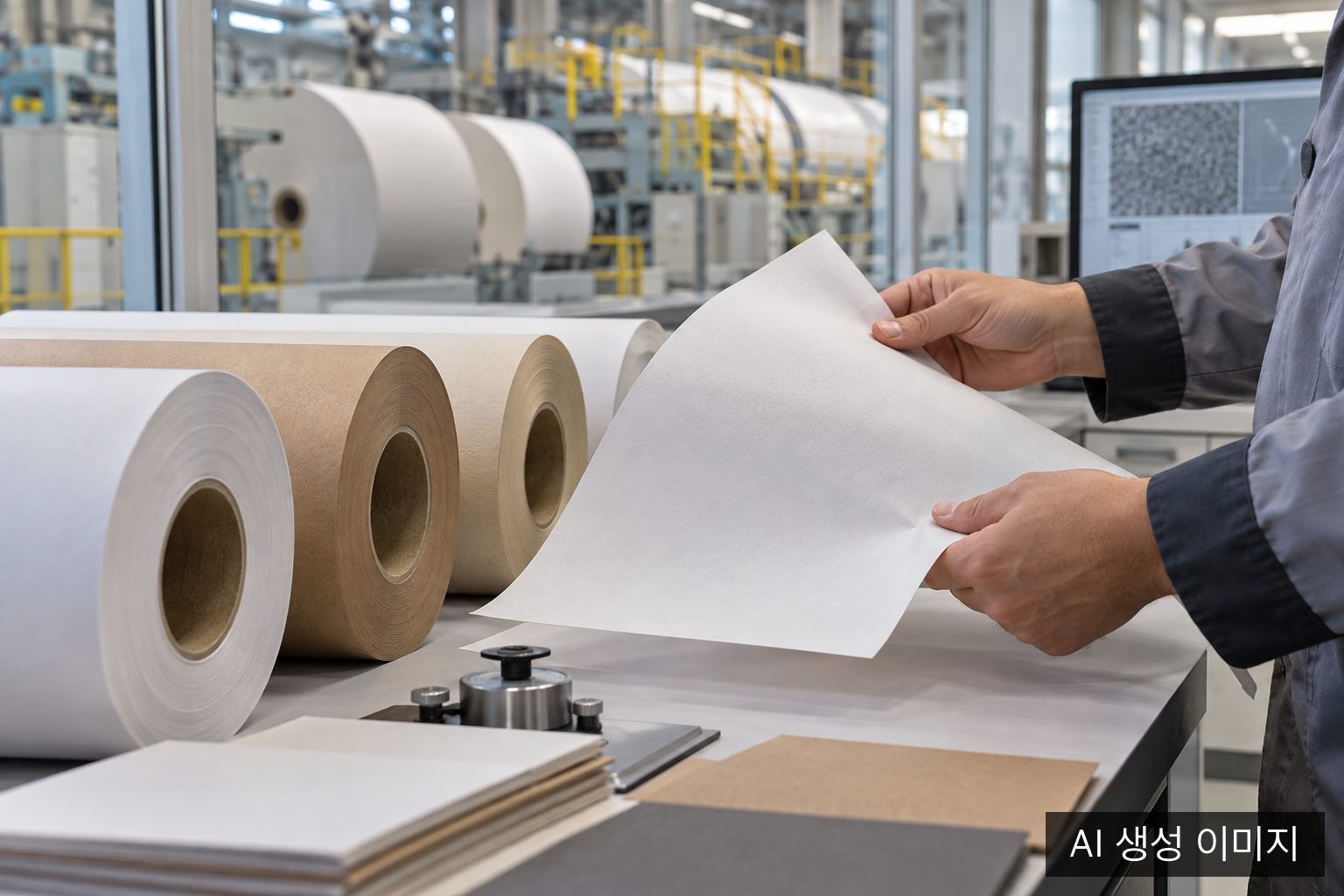
Ask which grades and lines will use the new pulp and when trial output becomes commercial output. Compare basis weight, moisture, strength, surface and print performance, and lot variation using the same methods as the approved material. For environmental claims, request the baseline year, emissions boundary, contribution of accompanying energy measures, and the allocation method to each product. Keep plant-level forecasts separate from a customer package’s verified life-cycle result.
When to hold action
Do not approve a specification change or claim a product-level carbon reduction without lot tests and verified environmental data. The stated wood and CO2 figures are annual expectations, not achieved results. This is a cooking-process story, distinct from other mill electrification projects.
About the Author
PackingMaster writes evidence-based practical briefings for paper packaging procurement, quality, and operations.