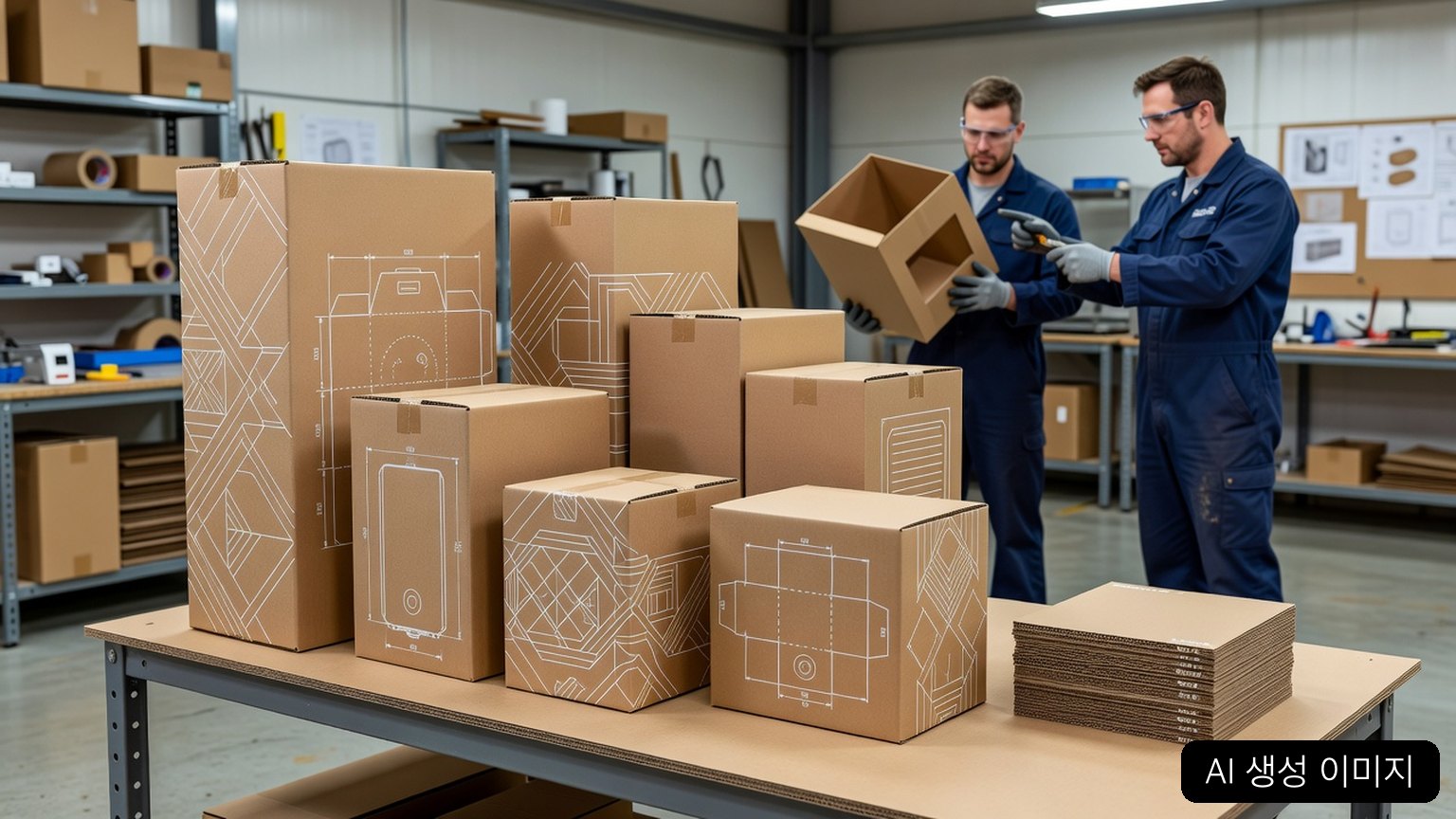
Mondi and German water-heater manufacturer Stiebel Eltron redesigned a packaging portfolio over roughly two years. Mondi’s official case study says the scope covered about 30 packaging SKUs used across 12 production sites in eight European countries. A portfolio containing more than 11 board grades was reduced by over 75%.
The print process also changed. White digital printing on brown corrugated board replaced screen printing, and multiple box variants could be combined in one production flow. The official account describes quality, efficiency and logistics benefits, but it does not publish a purchase-price saving percentage, damage-rate comparison or before-and-after inventory value.
Status checked on September 23, 2026 (KST). The
more than 75% board-grade reductionis a Mondi case-study figure. It must not be rewritten as75% packaging-cost savingsor75% carbon reduction. The gates below translate the public case into a practical change-control record; they are not internal results from either company.
What changed—and what was not disclosed
On mobile, swipe the table horizontally to view hidden columns.
| Area | Public change | Potential operating effect | Undisclosed measure |
|---|---|---|---|
| Board grades | More than 11 grades reduced by over 75% | Simpler purchasing, inventory and revision control | Exact grade count and price by grade |
| Portfolio | About 30 SKUs at 12 sites in eight countries | More common specifications across countries and plants | SKU-level dimensions, strength and damage rates |
| White digital print replaced screen print | Less plate or screen preparation and easier artwork variation | Ink consumption and print-cost saving | |
| Production | Multiple variants combined in one flow | Smaller batches and simpler changeovers may be possible | Actual batch size, speed and OEE change |
| Logistics and quality | Packaging and supply-chain efficiency targeted | Fewer material types and less sourcing complexity | Measured transport damage and complaints |
The useful lesson is not “eliminate boxes at any cost.” It is to preserve the performance needed to protect different products while removing duplicated material, print and sourcing specifications that perform the same job.
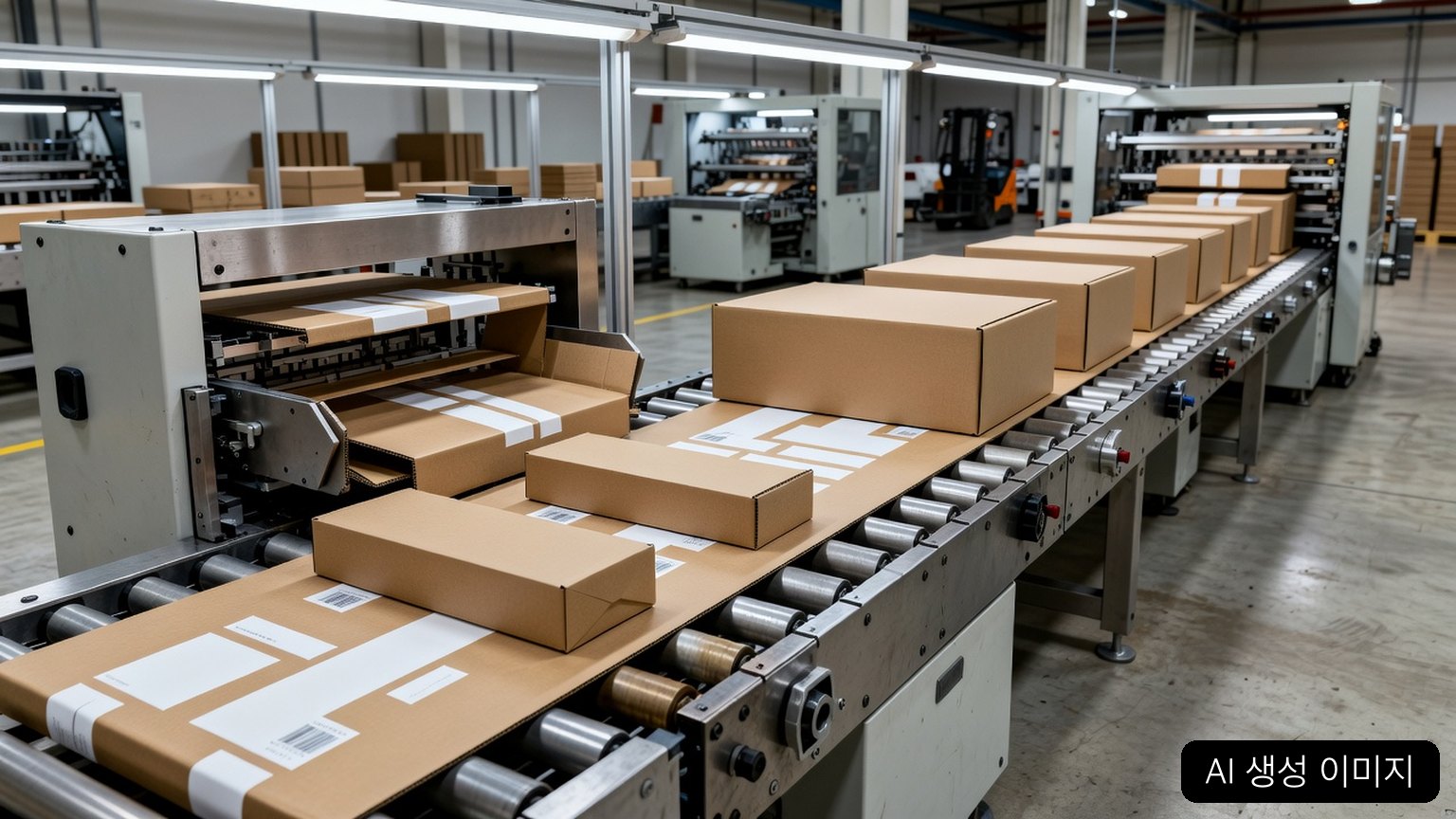
Purchasing: measure approved substitution, not only grade count
Fewer board grades can reduce purchase codes, minimum-order quantities, safety stocks and supplier-change approvals. It can also create over-specification or increase dependence on a narrower supply base.
Put four records in the same table:
- mapping from every legacy grade to the new standard grade;
- annual demand and minimum order quantity by item;
- approved primary and alternate suppliers with lead time; and
- price, inventory days and expedite events after consolidation.
Fewer material codes is a starting point. Total cost and recovery from supply disruption determine the result.
Quality: do not hide exceptions behind one representative test
Water-heater packs face different weights, geometries, protrusions and handling routes. Qualification should include compression and stacking, drop and impact, vibration, humidity, and actual pallet and transport conditions. Passing the lightest representative product is not enough to approve the entire family.
Required record: rationale for the worst-case products, sample count, acceptance criteria, damage modes, approved exceptions and customer sign-off.
Production: measure both the print benefit and the new constraints
Moving from screen printing to white digital printing may reduce screen preparation, cleaning and artwork-change work. It can also support several designs in one production flow. New controls remain: white-ink opacity, contamination of bonding areas, curing or drying, printhead maintenance and artwork approval.
Compare these fields over equivalent products and time windows:
- preparation and cleaning time per order;
- minimum economic batch and actual batch size;
- print defects, pinholes, smearing and rework;
- ink, consumables and maintenance time; and
- picking or labeling errors after mixed-variant production.
Inventory: material simplification does not eliminate finished variants
Even with fewer board grades, product dimensions, statutory marks, languages and accessory configurations can preserve box-SKU variety. Delaying the point of differentiation allows common blank inventory, but it increases the importance of late-stage data and picking control.
A useful architecture is:
- standardize common board and structural design upstream;
- apply country and model information as late as practical;
- differentiate with digital print or labels after demand is known; and
- trace product, box and artwork-data versions under one lot record.
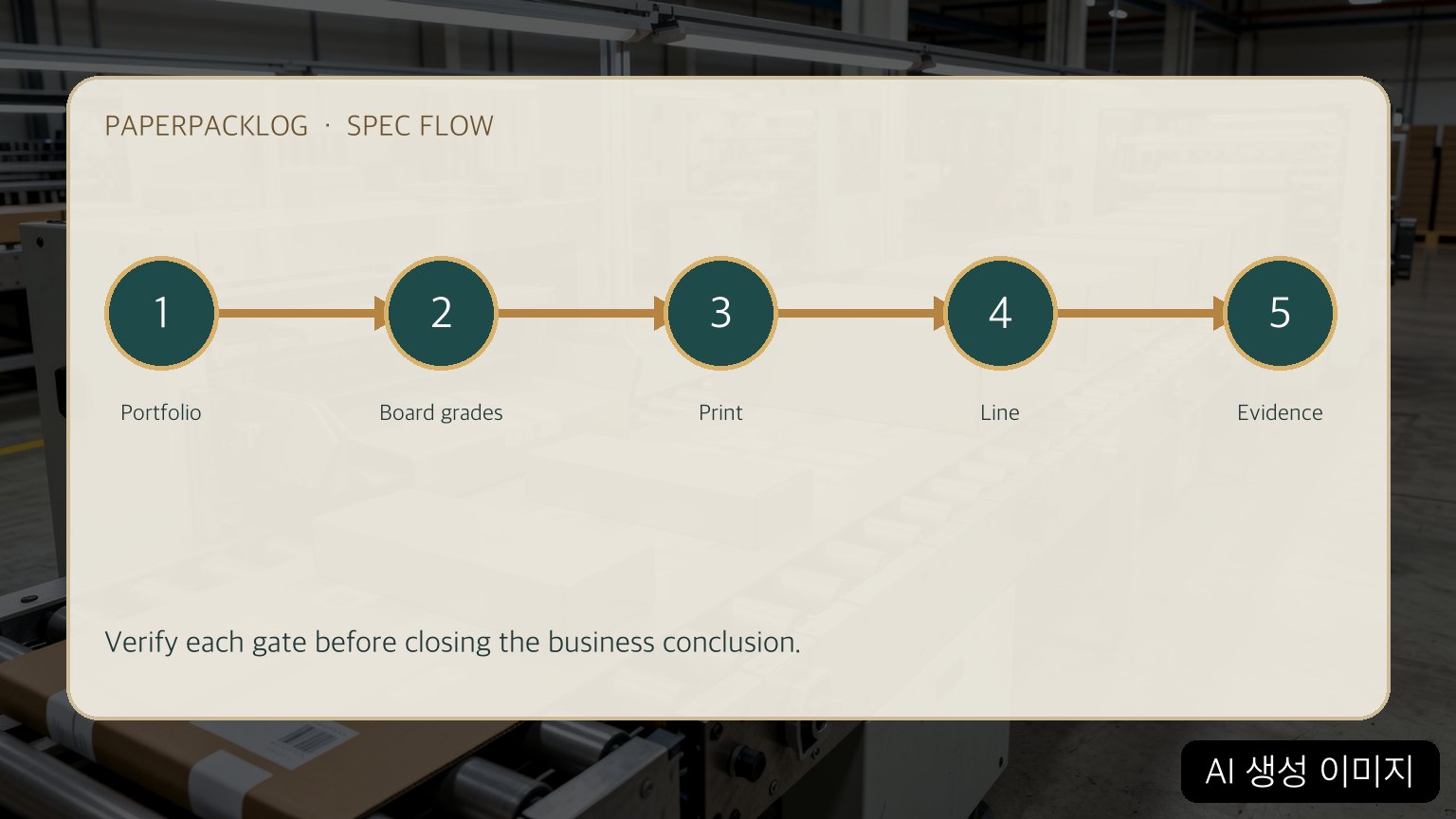
Operating deliverable: five simplification gates
| Gate | Validation question | Close with |
|---|---|---|
| Portfolio | Are duplicated specifications and mandatory exceptions separated? | SKU–specification–annual-demand matrix |
| Board grade | Does the new standard pass the worst-case product and route? | Physical and transport tests plus customer approval |
| Are white digital-print quality and maintenance costs validated? | Print approval, consumables and maintenance record | |
| Line | Can mixed variants repeat without errors? | Setup time, OEE, defect and rework trends |
| Outcome | Did cost, inventory and quality improve against baseline? | Like-for-like before/after comparison with exceptions |
Conditions that block closure
Do not close the programme as a simplification success when any of these remains true:
- grade count fell but no worst-case transport test exists;
- unit price is compared without inventory, setup, defects or expedite cost;
- white digital print was not approved for opacity, bonding and barcode effects;
- variants are mixed in production without version and picking-error trace;
- fewer suppliers are used without alternate sourcing and recovery time; or
- the 75% grade reduction is reported as a 75% cost or carbon reduction.
The Mondi–Stiebel Eltron case is not simply an instruction to use less material. It shows an approach in which portfolio–board grade–print–line–outcome evidence is managed as one controlled change, allowing fewer specifications without abandoning product protection or operating flexibility.
About the Author
PackingMaster: Editor of PaperPackLog. Covers market trends, product insights, and technology in the paper packaging industry.
References
- Mondi, Reducing packaging complexity for Stiebel Eltron’s water heater product range (September 22, 2026)
- Pulpapernews, Mondi’s concept supports Stiebel Eltron’s packaging redesign (September 22, 2026)