Operational problem
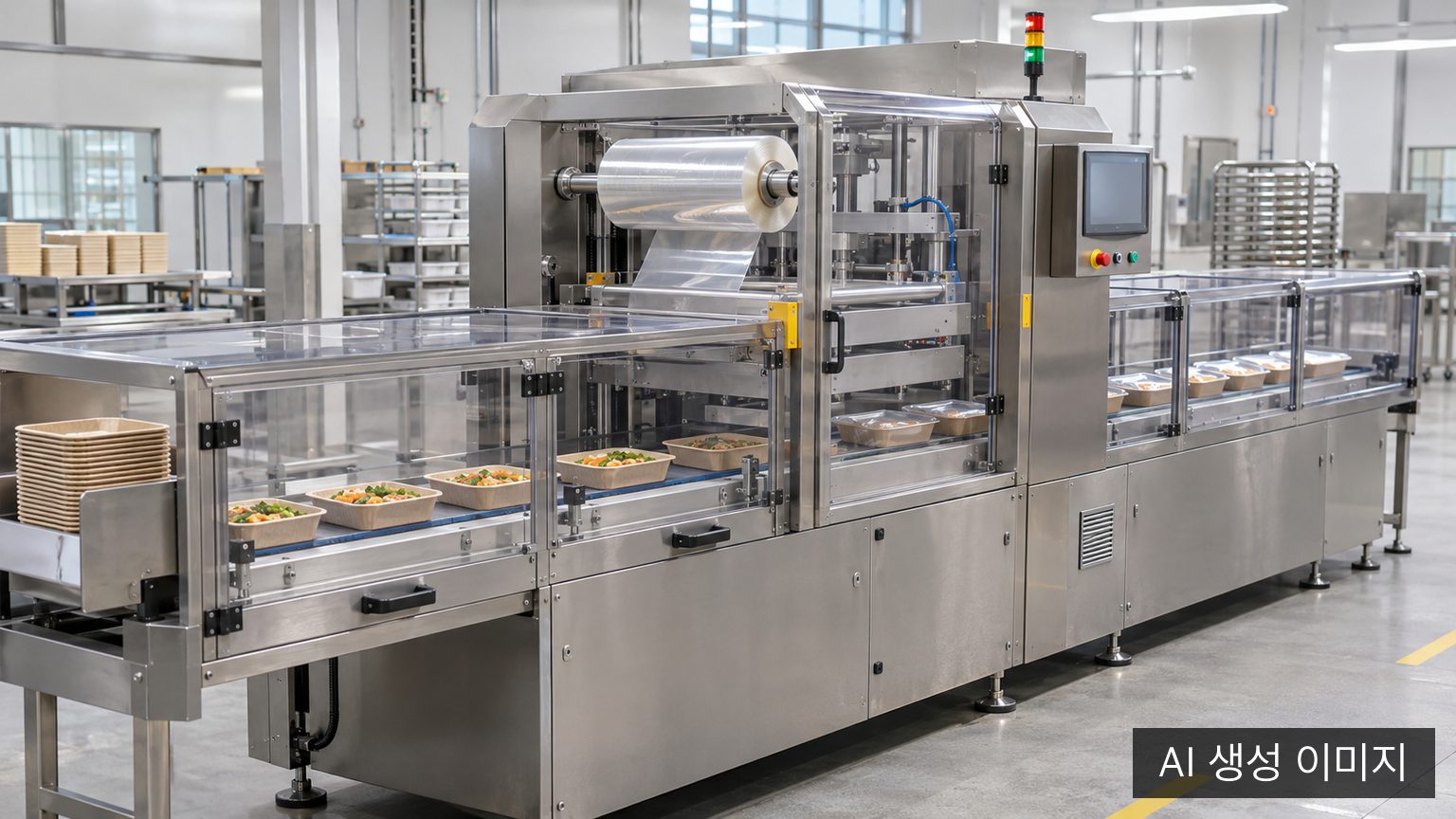
MULTIVAC Korea presented its T 305 automatic traysealer as a featured product for Food Week Korea on November 4–7. The November 6 AVING article relayed the supplier’s exhibition preview; it did not independently verify a live trial. AVING relayed the supplier’s claims of tool-free die exchange and sealing, modified-atmosphere and skin-packaging options. The exhibition report does not verify line performance, seal integrity or actual changeover time for a particular fibre tray. The T 305 is an existing model, not a newly launched machine.
Evidence to request
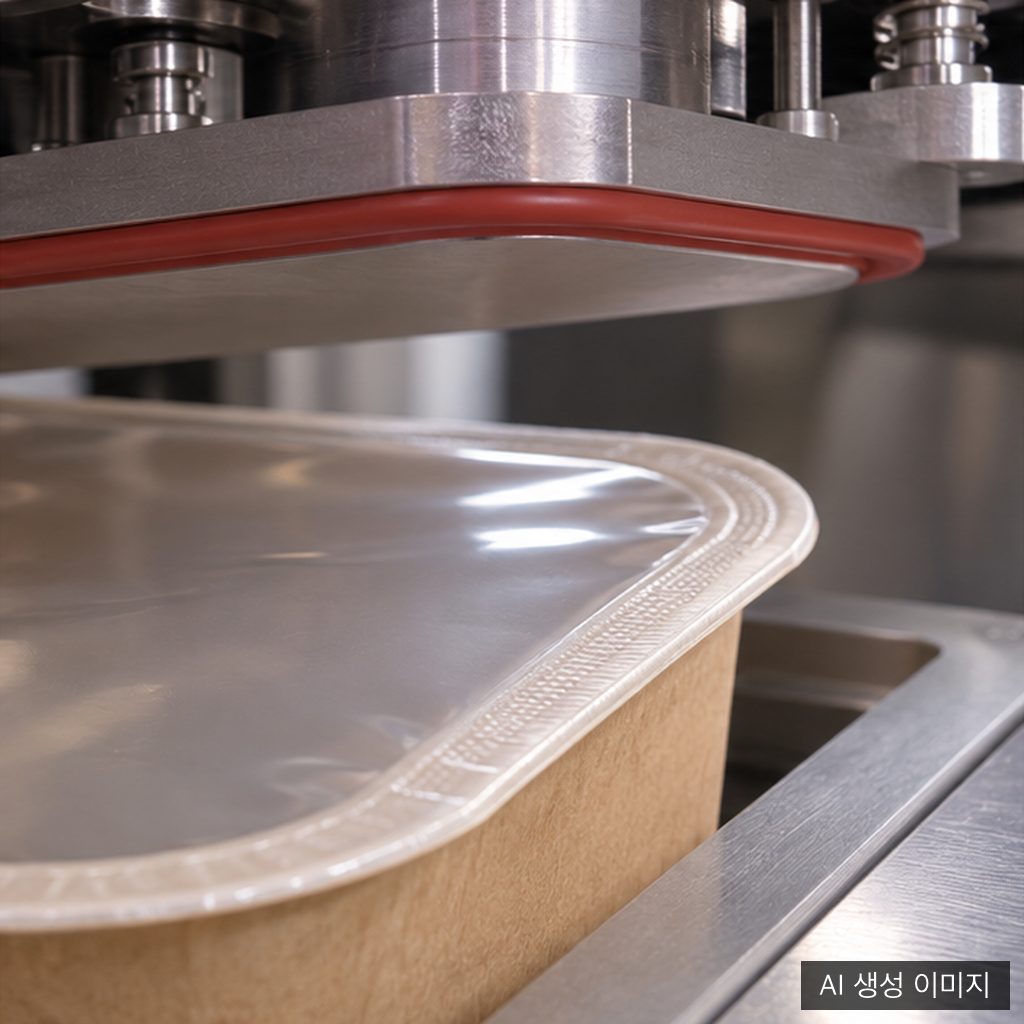
A 2026 manufacturer release describes the T 305 as a small-to-medium-batch machine with a modular design for product change. The manufacturer’s PaperBoard guide says cardboard-composite trays can be processed on traysealers. Those material-family claims do not approve a specific T 305 and every coating, rim, lidding film, food or distribution condition. A buyer should trial the actual tray and lid combination for seal window, leakage, peel, moisture and grease exposure, gas retention where MAP applies, and end-of-life design.
Practical deliverable
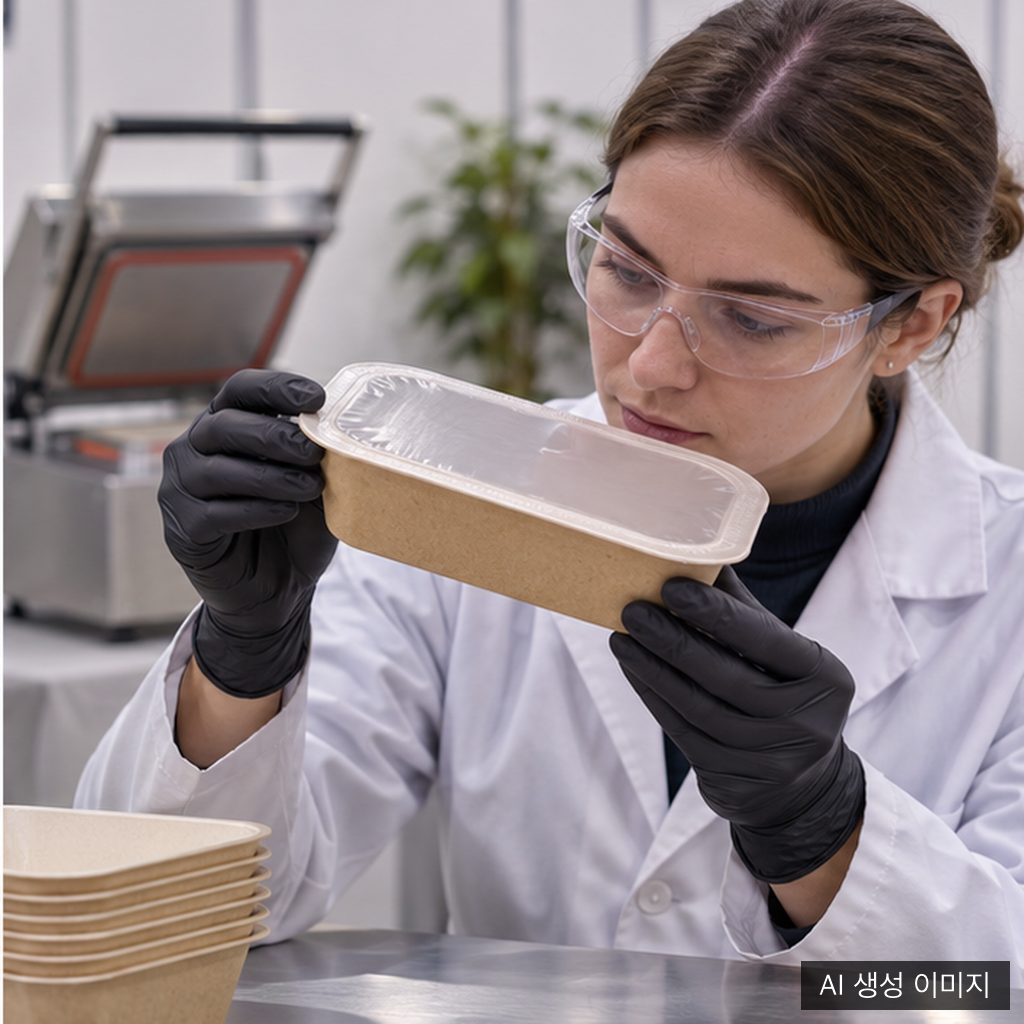
A trial brief should specify tray dimensions and rim tolerance, fibre grade and coating, product temperature, moisture and fat, lidding film, pack mode, target throughput, die-change steps and downtime, and reject criteria. Compare with a plastic control under matched products and operators to separate a supplier pitch from site data.
Hold conditions
Hold a suitability or efficiency claim until the chosen fibre tray and film have passed compatibility, food-contact, distribution and measured changeover tests.
About the Author
PackingMaster: PaperPackLog editor covering the paper packaging industry through public evidence and practical procurement, quality, and operations questions.