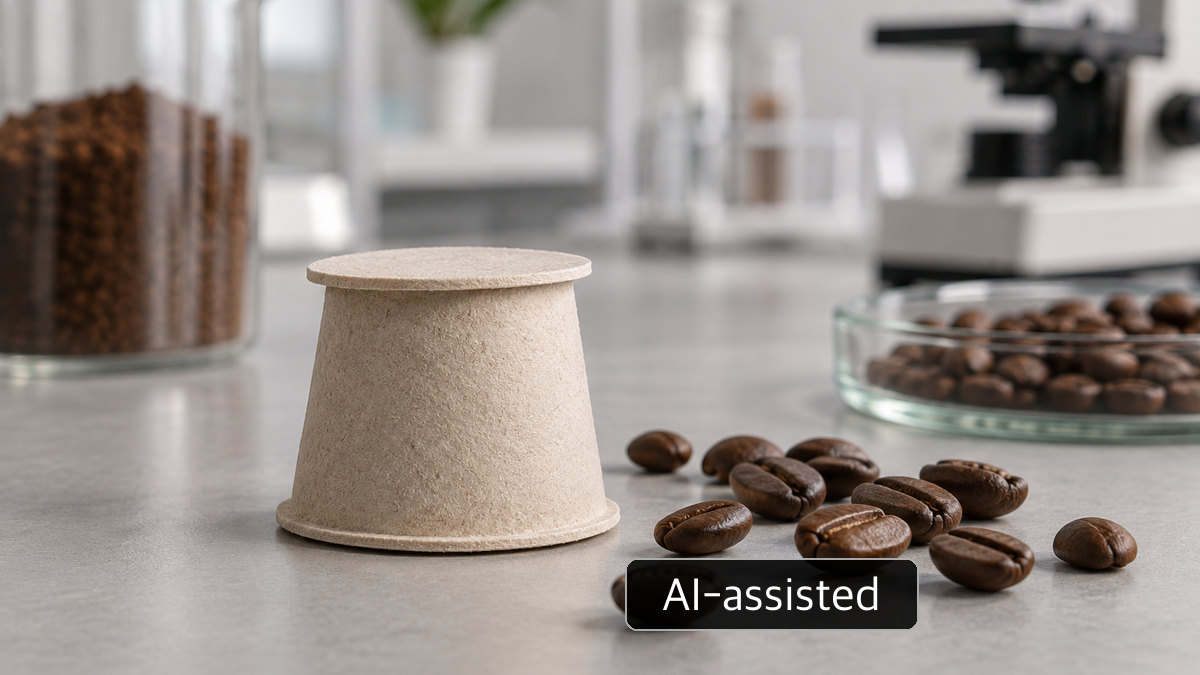
Nespresso is discontinuing its paper-based, home-compostable coffee capsules. Packaging Europe’s October 14 report says the company attributes the decision to consumer feedback and product quality. Neither the decision nor that explanation establishes that paper cannot be used for coffee capsules or that a specific barrier-layer defect has been proven.
An earlier Daily Coffee News report says Nespresso confirmed the decision in late September and that consumer feedback concerned shelf life and the overall product experience. Quoting the company’s FAQ, Packaging Europe reports Nespresso’s position that aluminium is a better option for preserving the taste and aroma of its coffee. That is the company’s assessment, not a public comparative test dataset, defect rate or oxygen-transmission measurement reviewed by us.
Paper-based does not mean paper-only
According to Packaging Europe, the capsule used approximately 82% paper pulp plus a thin compostable biopolymer barrier film. It should not be described as a pure-paper capsule or assumed to qualify for ordinary paper recycling. Reported home-compostability certification and the availability of an actual local collection or treatment pathway are also different questions.
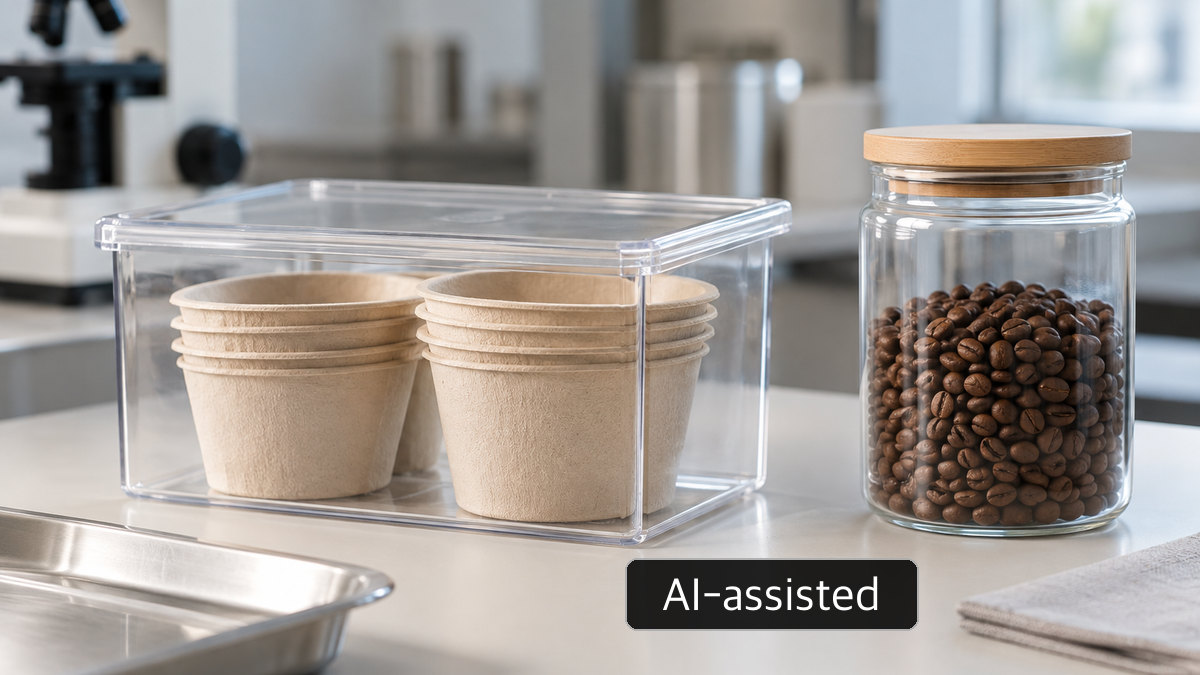
Image note: These open-top molded-fiber cup samples are a materials concept, not the shape of Nespresso’s sealed capsule or its barrier construction.
The article also describes an initial life-cycle comparison under which paper-based and aluminium capsules had similar environmental impacts; this is a Nespresso claim reported by the outlet. Without the study boundary, transport, collection rates and local treatment infrastructure, neither material can be declared universally greener. “Compostable” describes a design or certification claim; actually composted depends on sorting and local handling.
What a packaging development team would still need
The questions below are an editorial verification framework, not experimental findings that isolate the reason this product was withdrawn.
- Shelf-life quality: What changes in aroma, oxidation and moisture occur from filling to end of shelf life, under which temperature and humidity conditions? What barrier data support the comparison?
- Machine compatibility: How do dimensions, mechanical strength, sealing and extraction conditions vary by machine and relate to the specific consumer complaints?
- End of life: Which certified product and geography are covered, can the local household or separate collection route accept it, and what do users actually do with the spent capsule?
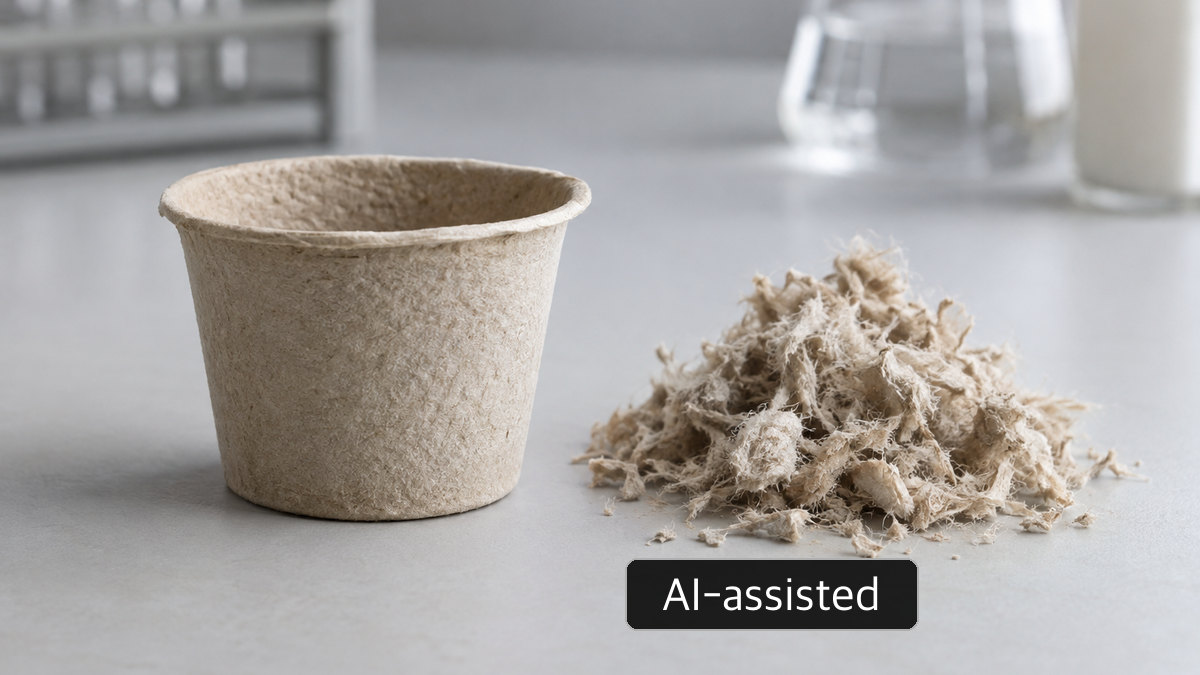
Image note: This is another open-top materials concept, not a retail capsule, its sealed form, or evidence of compostability certification.
This is one brand’s product decision and quality assessment, not a publicly documented verdict on every paper-based capsule or on which packaging material has the lowest impact everywhere. Further technical evaluation would require the undisclosed packaging specifications, comparative tests and location-specific treatment conditions.
About the Author
PackingMaster is the PaperPackLog editor, covering paper packaging markets, products, and technical questions.