The separate incident
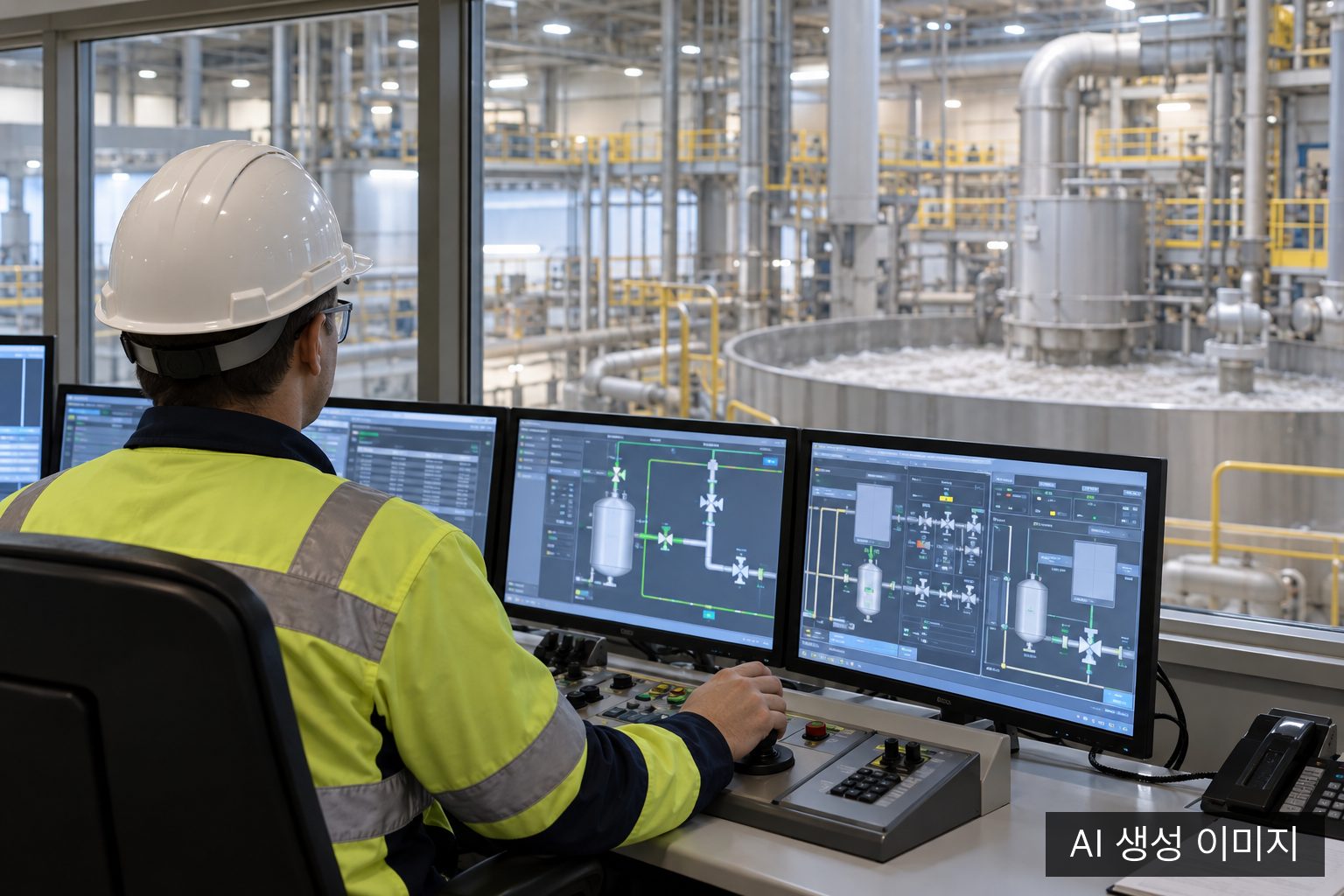
Washington State’s Department of Labor & Industries published a separate investigation on October 29 concerning Nippon Dynawave’s Longview mill. A drain valve was left open, hot pulp spilled, and an employee entered the material to close the valve before falling into a sinkhole. The agency cited failures to protect workers from heat and engulfment and to include the pulp piping system in the required safety program, assessing a USD 77,800 penalty. This is unrelated to the fatal white-liquor tank failure at the same mill on May 26.
The evidence boundary
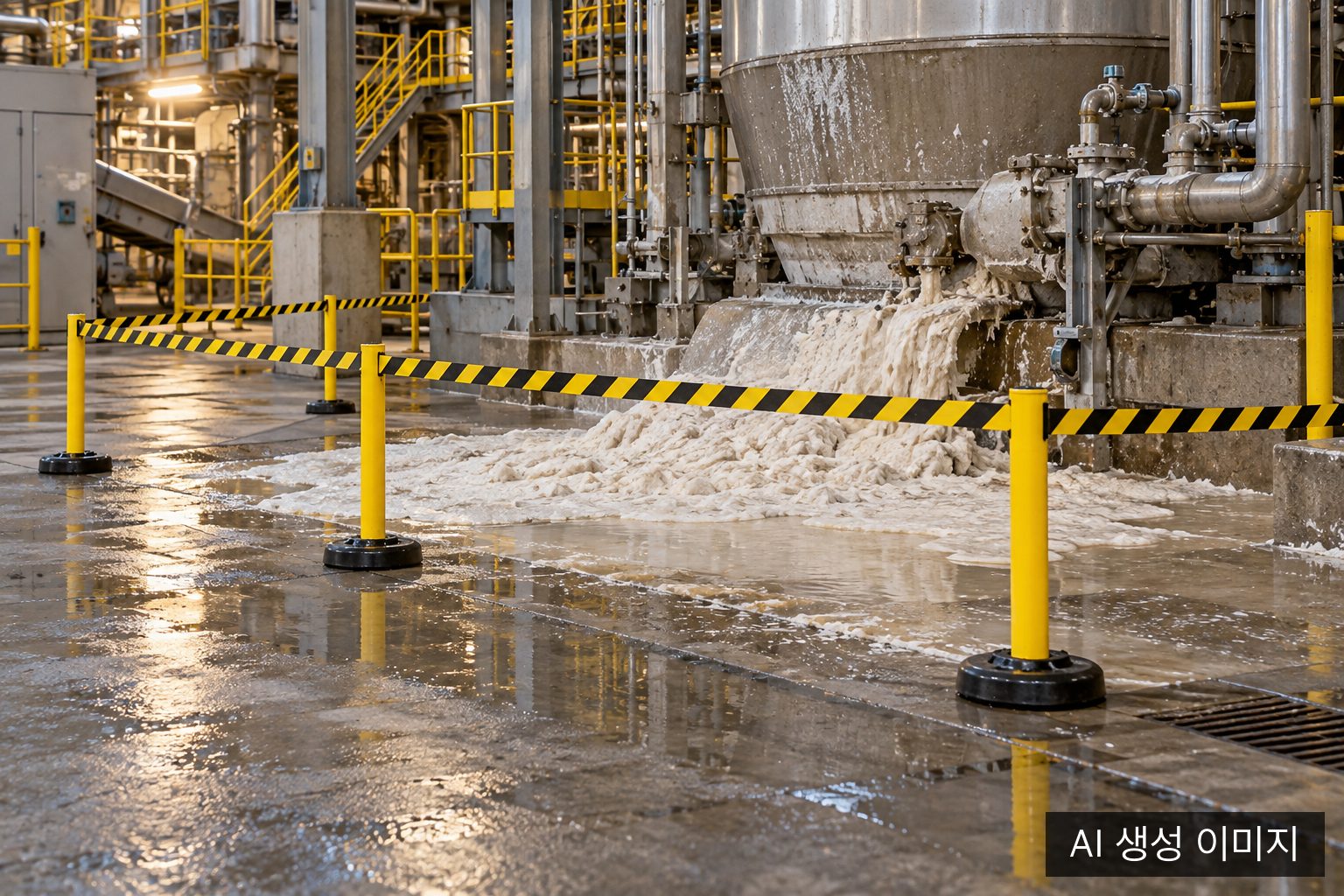
The agency described pulp near 145°F, about 63°C, with roughly three feet of material concealing a four-foot-deep sinkhole. The employee grabbed piping and avoided full engulfment. According to the agency, management subsequently agreed to keep workers out of spill areas and develop procedures and engineering controls to close valves without exposure. The citation concerns this spill investigation; it is not a finding about the cause of the separate tank failure or a final determination of all civil liability.
A practical work instruction
Set a no-entry boundary first for hot pulp or chemical spills. Align valve numbers, normal positions, access routes, and remote-operation capability across piping drawings and field labels. Do not assume a shallow-looking spill is safe to cross: erosion and drains may be hidden. Drill safe-position shutoff, energy isolation, emergency-team callout, and explicit re-entry authorization instead of sending an operator into the material.

When to hold action
Do not connect this event causally to the May tank rupture. Do not copy a valve procedure onto a different plant without engineering review. Equipment changes require site-specific process, electrical, and safety assessment and confirmation of local rules.
About the Author
PackingMaster writes evidence-based practical briefings for paper packaging procurement, quality, and operations.