Operational problem
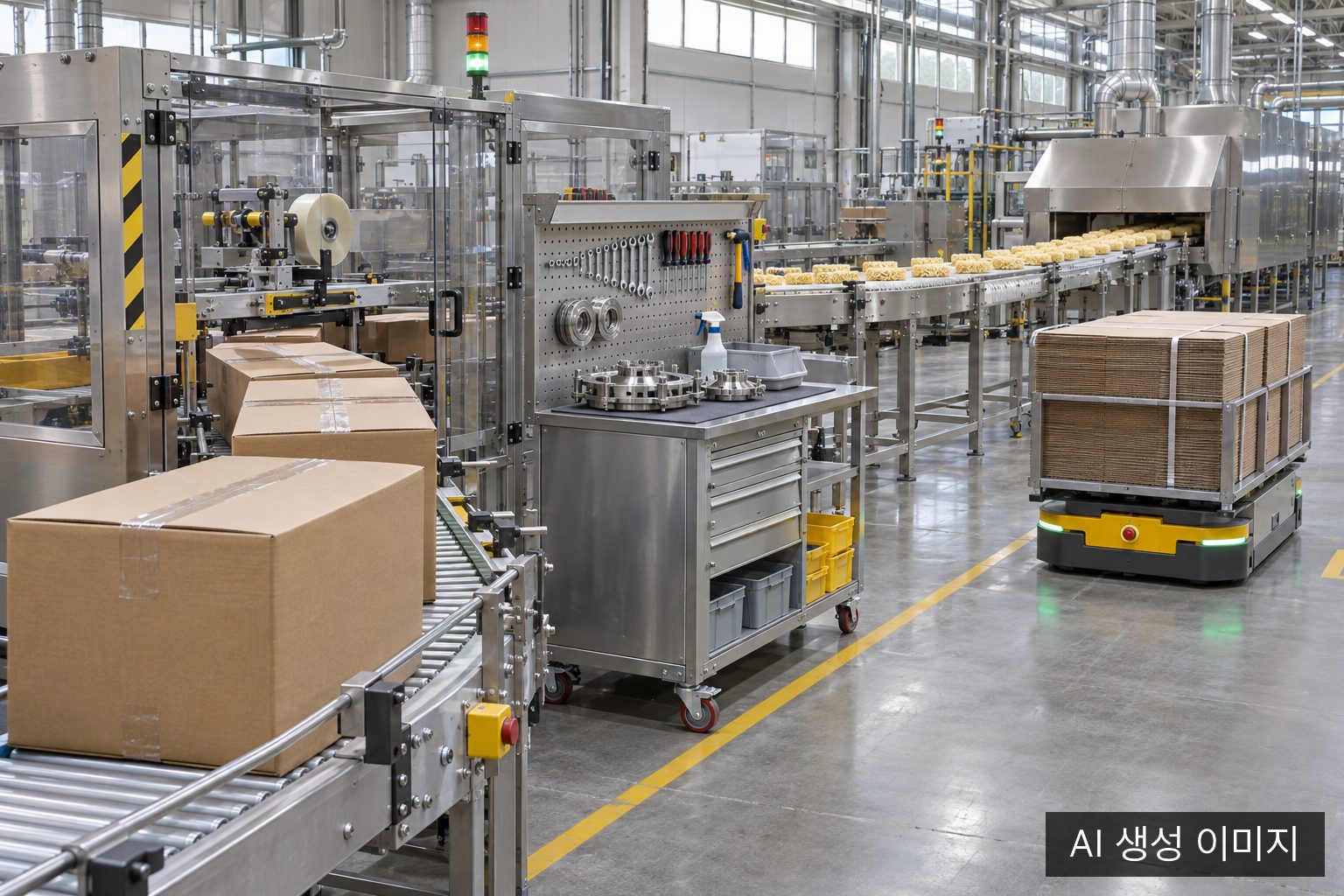
Nongshim’s Noksan export-focused plant in Busan began operating on October 29. Site reports on November 8 say a product switch changes not only the recipe and noodle specification but also pack markings and the outer carton. For packaging teams, the crucial question is whether the correct carton and market-specific marking follow the correct SKU. Reported changeover gains are company statements; independent carton-error rates and market-by-market switch data have not been disclosed.
Evidence to request
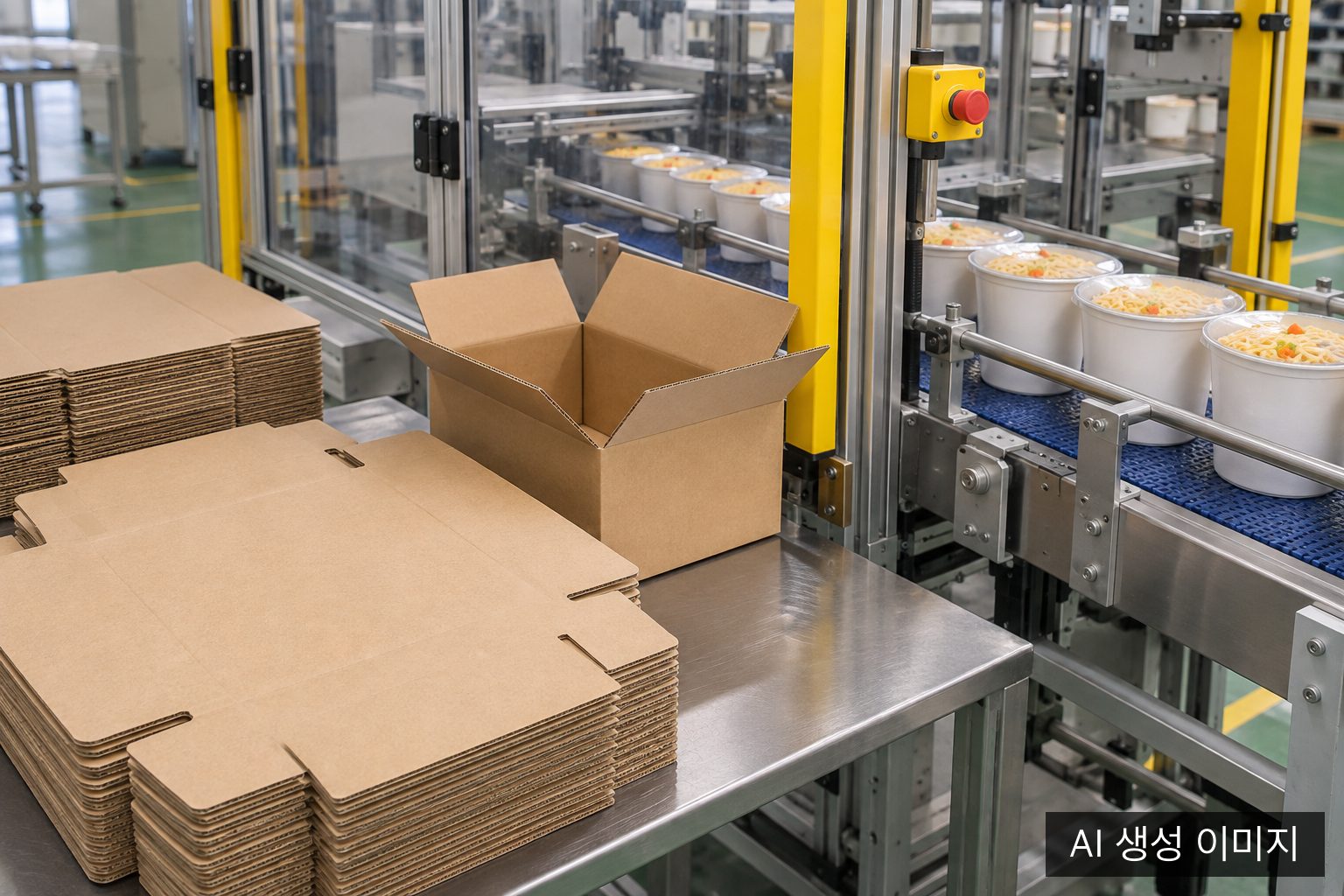
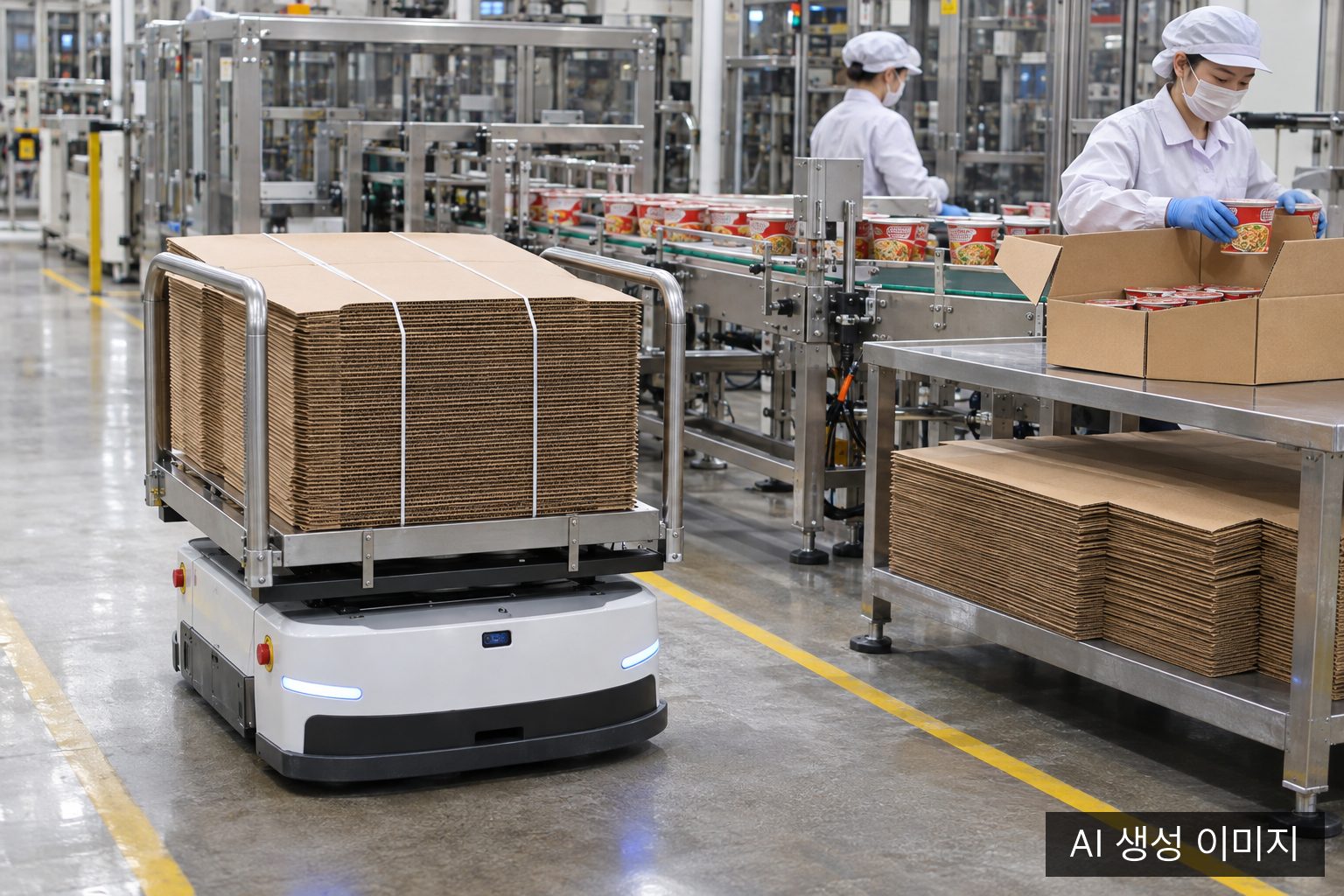
The company planned three initial lines with annual capacity of 500 million packs. Field reporting says autonomous mobile robots supply packaging materials. These describe equipment and flow, not proof that every SKU switch is error-free in 30 minutes. Quality teams should request records matching the production order’s destination, language, shelf-life marking and shipper-carton code to materials actually fed to the line.
Practical deliverable
A changeover record can link previous and next SKUs, destination-specific carton art and print approval, line clearance, first-off approval, material lot, robot replenishment alert, barcode read and start/end times. This is an editorial recommendation, not a Nongshim procedure. Consider retaining first-pallet and post-switch samples to check that carton stock and pack-film changes stayed synchronized.
Hold conditions
Do not claim packaging accuracy improved without destination-specific artwork reconciliation and post-changeover samples. Capacity is a design or supply capability, not realized exports.
About the Author
PackingMaster: PaperPackLog editor covering paper packaging through public evidence and practical procurement, quality and operations questions.