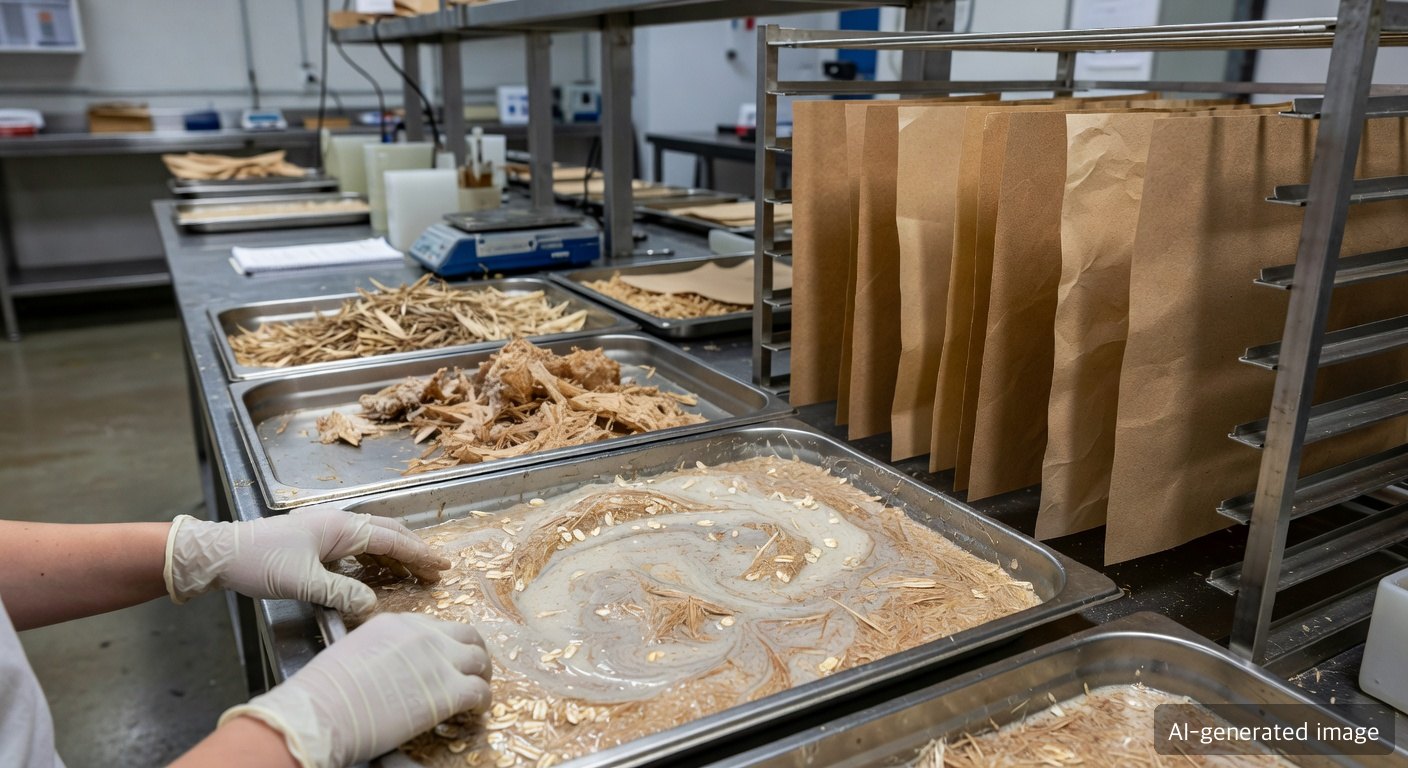
Non-wood fibre is not a new topic in paper packaging, but the practical question is changing. The issue is no longer only whether using less wood sounds sustainable. The real question is whether agricultural byproducts can be blended into existing paper pulp with stable quality, repeatable supply, and packaging performance.
Swedish forest industry group Södra announced development work on a new paper pulp that combines forest raw materials with oat hulls. Oat hulls are a byproduct of food and agricultural processing. This is more than a simple “waste to packaging” story. For real packaging use, buyers and converters need to consider fibre quality, strength, yield, colour, odour, food-contact suitability, and supply stability.
Why agricultural byproducts are getting attention
Paper is built from fibre. Wood fibre offers proven strength and process stability, but it is affected by forest resources, certification, regional supply, and cost. Agricultural byproducts are attractive because they already exist in other value chains. If a byproduct is generated consistently, it may become a regional circular material source.
But not every byproduct can become paper. Some materials are difficult to pulp, too short in fibre length, too contaminated, or unsuitable because of colour and odour. The practical question is not simply whether it can be used. It is what percentage can be blended and which packaging grades can accept it.
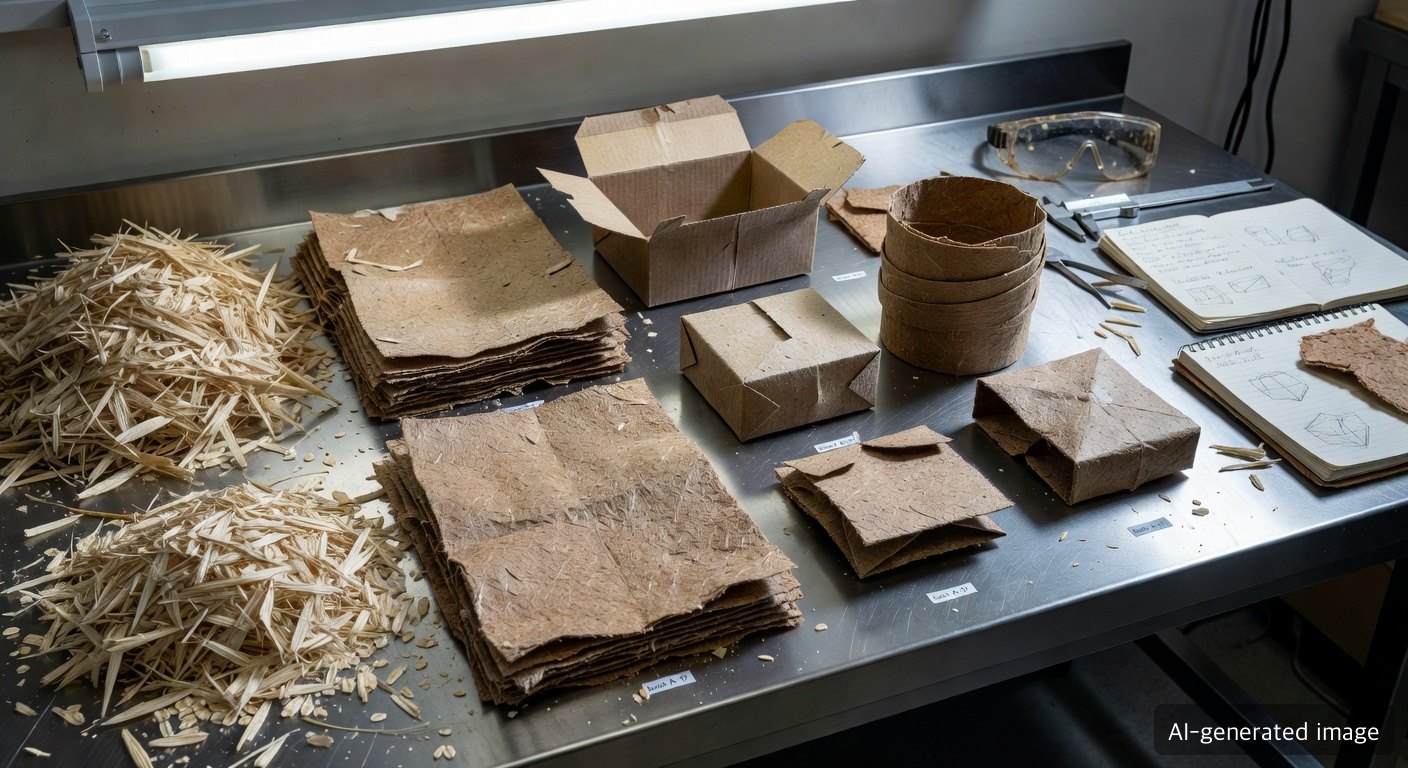
Packaging use depends on strength
Packaging needs paper that performs, not just paper that looks good. Boxes, cushions, tubes, trays, labels, and support sheets all have different strength requirements. A mixed pulp containing oat hulls or other agricultural fibres must be checked against practical properties.
Important points include:
- Tensile strength: can the paper resist pulling forces?
- Burst strength: can it resist pressure and impact?
- Compression strength: can it support board or box structures?
- Surface quality: can it be printed, glued, or coated?
- Moisture sensitivity: does humidity change dimensions or strength too much?
- Odour and contaminants: is it acceptable around food or consumer goods?
Mixed pulp may not replace every packaging grade. It is more likely to start in applications with moderate strength demand or supporting functions, such as cushioning, internal trays, backing layers, auxiliary paper, or some molded pulp products.
Traceability matters more than green wording
Agricultural byproduct content makes marketing language easy. B2B supply, however, requires evidence. Customers may ask for more than a phrase such as “contains oat hulls.”
They may request:
- Source and supply stability of the byproduct
- Blend ratio and quality variation control
- Strength comparison with conventional wood fibre grades
- Impact on recycling processes
- Safety data for use near food packaging
- Relationship with certification or environmental claims
Recyclability is especially important. A material is not automatically more recyclable because it contains an agricultural byproduct. Adhesives, coatings, fillers, and residual components must be checked against recycling systems.
What packaging companies can learn now
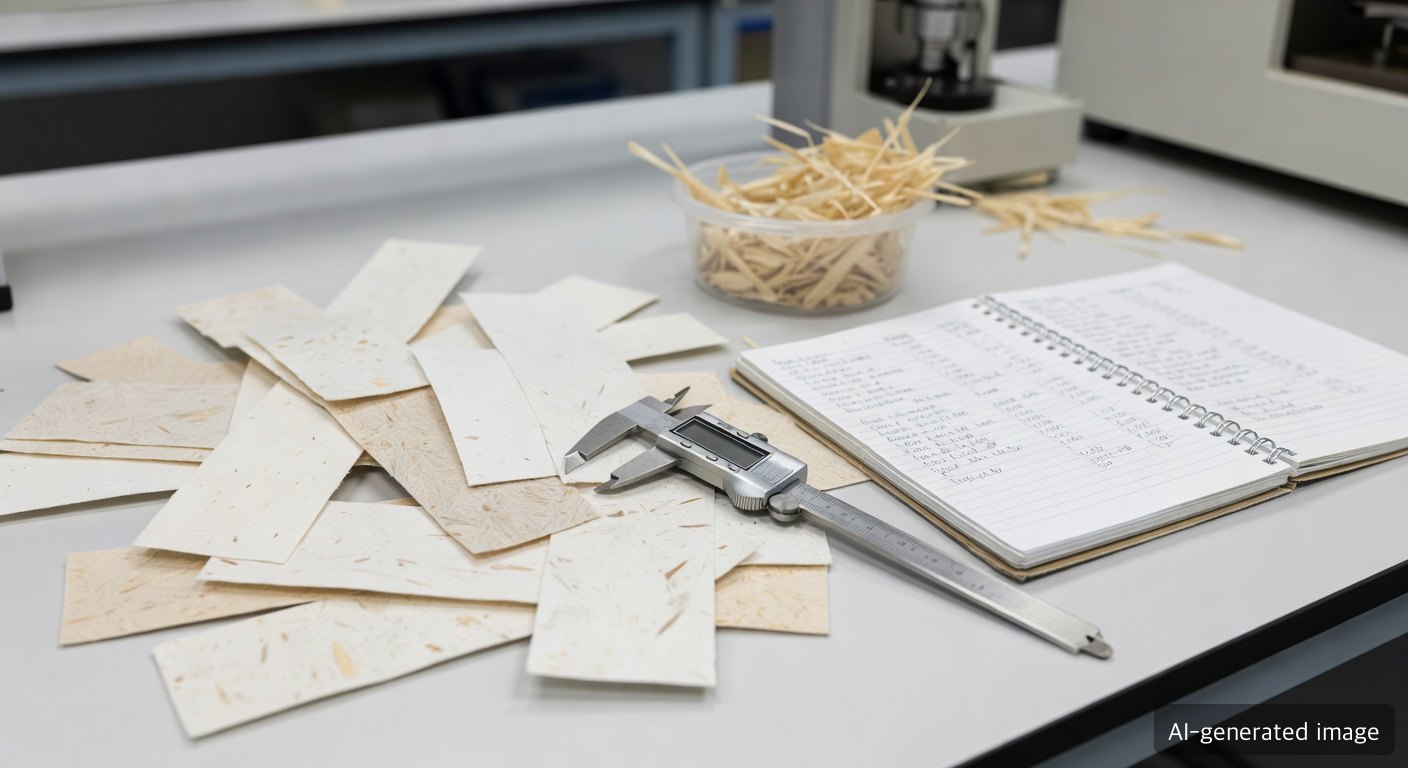
For many converters, the immediate action is not to buy oat-hull pulp at scale. The practical step is to learn how non-wood fibre materials should be evaluated. Customers may increasingly ask for packaging that uses agricultural byproducts, reduces wood-based input, or supports regional circularity.
Useful review points include:
- Compare strength data between conventional paper and mixed-fibre paper.
- Separate applications where substitution is possible from those where it is risky.
- Make sure material content claims match delivery documents.
- Review recyclability, food-contact context, odour, and colour variation separately.
- Secure evidence before using the material in customer ESG claims.
Likely application areas
Agricultural byproduct mixed pulp may not immediately replace high-strength outer boxes. It may first be useful in areas such as:
- Molded pulp cushioning, where forming and shock absorption matter.
- Internal trays and separators with moderate load requirements.
- Labels, tags, and support papers where material story is valuable.
- Lightweight protective tubes or auxiliary cores for lower-strength applications.
- Promotional packaging where the material message is part of the product concept.
Buyer and development checklist
- Is the byproduct available consistently throughout the year?
- Can colour and strength be controlled when the blend ratio changes?
- Can existing equipment form, print, glue, and cut the material?
- Will the material be accepted in recycling systems?
- Are certifications or test data available for customer communication?
- Are environmental claims supported enough to avoid overstatement?
Closing
Oat hulls in paper pulp are not only a material news item. They are a signal that packaging companies will need better ways to evaluate diversified raw materials, regional byproducts, and environmental claim evidence. New materials should be led by test data, not only by storytelling.
Packaging companies should prepare evaluation criteria for strength, processability, recyclability, and claim support. Then, when customers ask for new materials, the answer can be specific: which application, which performance level, and which evidence supports the claim.
About the Author
PackingMaster writes about industrial paper packaging, sustainable packaging materials, and export packaging requirements from a practical B2B perspective. The focus is on connecting material trends with procurement, quality, and claim management.
References
- Södra, Södra develops a new paper pulp – combining forest raw materials with oat hulls: https://news.cision.com/sodra/r/sodra-develops-a-new-paper-pulp---combining-forest-raw-materials-with-oat-hulls%2Cc4345993
- PaperAge, Södra Develops New Paper Pulp by Combining Wood Fibre with Oat Hulls: https://www.paperage.com/2026news/05-15-2026sodra-develops-new-paper-pulp-by-combining-wood-fibre-with-oat-hulls.html