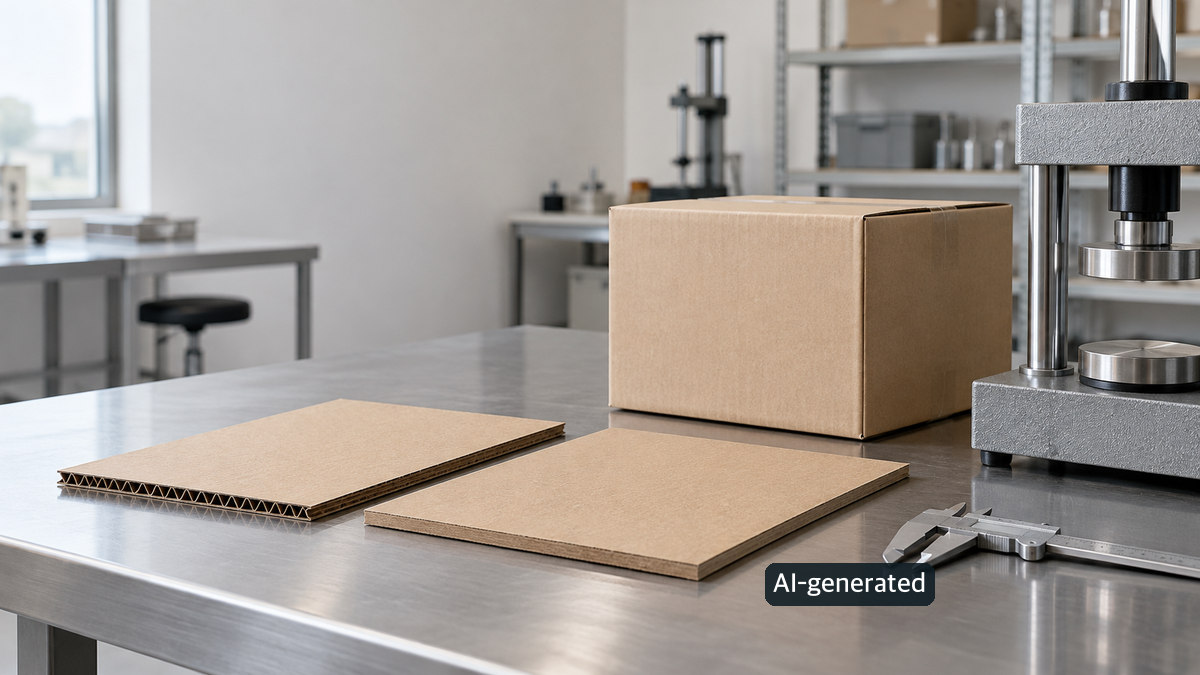
Can a case that uses less paper still withstand the actual distribution chain? On printed page 56 of its 2026 sustainability report, Ottogi describes a special strengthened-paper corrugated case for Ottogi Ramen. Compared with its previous DW (double-wall) case, the company reports 8.9% less paper use and 26.7% higher strength. These are company-reported comparisons for a particular case, not test results independently reproduced or verified by this article.
A 2024–25 rollout, not a newly documented October 2026 launch
The report says the first application in 2024 saved 56.92 tonnes annually. Improvements to the material and an expanded range of applicable products in 2025 added 31.51 tonnes in annual savings, according to the same account. These are annual-effect statements tied to different points in the rollout. They cannot simply be summed into a measured cumulative saving, nor recast as a new October 2026 introduction. A June 2026 article in The Fact covers the report and the company’s environmentally oriented packaging, but does not independently verify these case-specific percentages or tests.
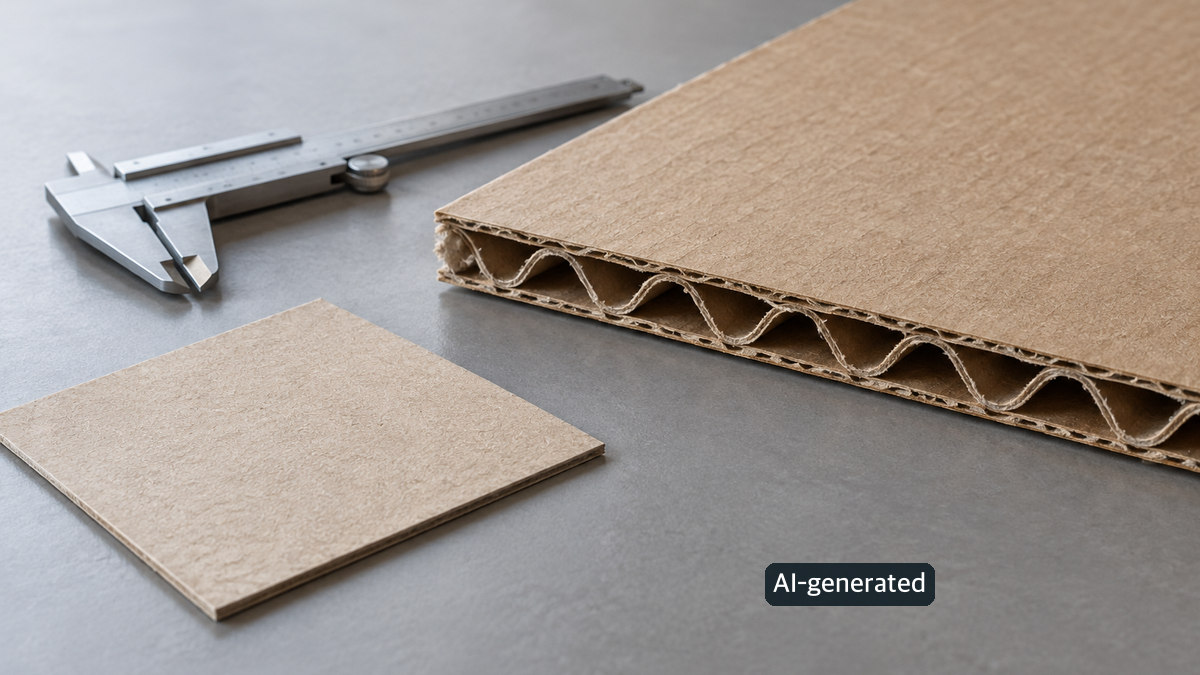
“26.7% higher strength” is not an identified box-compression result
The cited report passage does not disclose which strength property was measured, the method or absolute readings, specimen count, humidity, or detailed construction of the comparator case. The percentage therefore cannot be labelled a box-compression-test (BCT) gain, a warranty across all Ottogi cartons, or a measured result under actual palletization and transport conditions. The properties of strengthened paper, corrugated board and a finished case are different test objects.
The table on the left side of the same page also reports 89.94 tonnes of packaging material and 54.52 tonnes of paper saved in 2025 across other listed categories. It is not the same accounting scope as the Ottogi Ramen case narrative on the right. The 56.92- and 31.51-tonne figures should not be added again to that table or presented as one continuous SKU total.
Evidence to request before adopting a lighter case
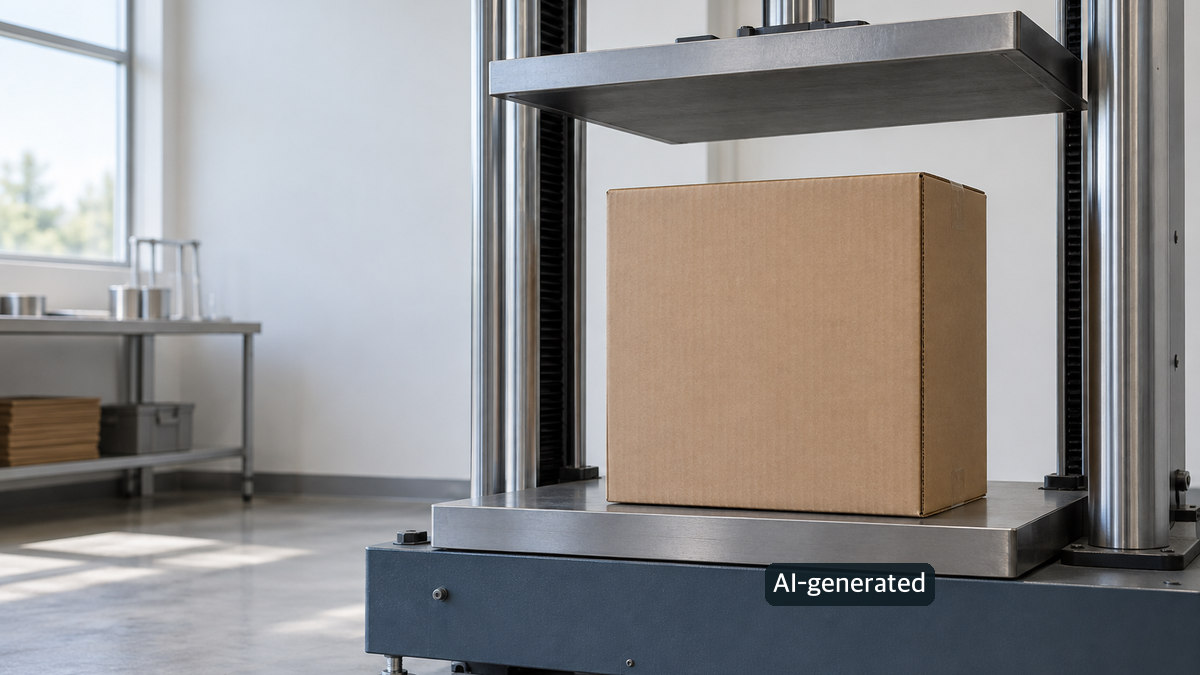
A buyer should ask whether the same specification and conditions were compared, rather than repeat the headline percentages. Place old and proposed liner combinations, flute construction, board grammage, applicable SKUs and case dimensions alongside the exact strength metric, test method and absolute results. Then test the finished case with its actual contents against storage humidity, stacking height, pallet pattern, vibration and impacts, with an agreed failure threshold. This is a suggested qualification process, not an Ottogi passing result disclosed in the report.
The distinctive record here is a named company’s case-level comparison and rollout history. Keeping its undisclosed test boundary visible is necessary before applying the percentages to another plant or package.
About the Author
PackingMaster: Editor of PaperPackLog, covering paper-packaging industry developments, products and technical decisions.