
Many teams still describe sustainable packaging by asking one simple question: is it made of paper? In practice, recyclability is more complicated. A package must be sortable, separable, and compatible with the recycling process. Coatings, labels, adhesives, windows, inks, and mixed materials can change the result.
Korea’s packaging recyclability grade assessment system turns this practical question into a design issue. The recent push to expand top-grade packaging should not be read only as a marketing opportunity. It is a signal that packaging design needs to become simpler, more transparent, and easier to recycle.
Why grade assessment is more than a label
Recyclability grades help consumers understand disposal, but they also give manufacturers design feedback. A paper-based package can still perform poorly if it contains difficult-to-remove film, excessive coating, wide adhesive labels, or mixed-material structures.
The key question is not whether the package looks like paper. The real questions are:
- How much non-paper material is included?
- Can the consumer separate different materials easily?
- Will the sorting process recognize the main material correctly?
- Do coatings, inks, or adhesives reduce fiber recovery quality?
- Does the disposal label match the actual package structure?

Five design points for paper packaging
First, reduce mixed materials. Plastic handles, window films, metallic coatings, or composite laminations can make recycling more difficult. If they are necessary, the package should be designed so users can separate them easily.
Second, narrow the use of coatings. Water resistance, grease resistance, and barrier performance may be required. The problem is over-coating. Designers should consider partial coatings, water-based alternatives, and test data that supports recycling compatibility.
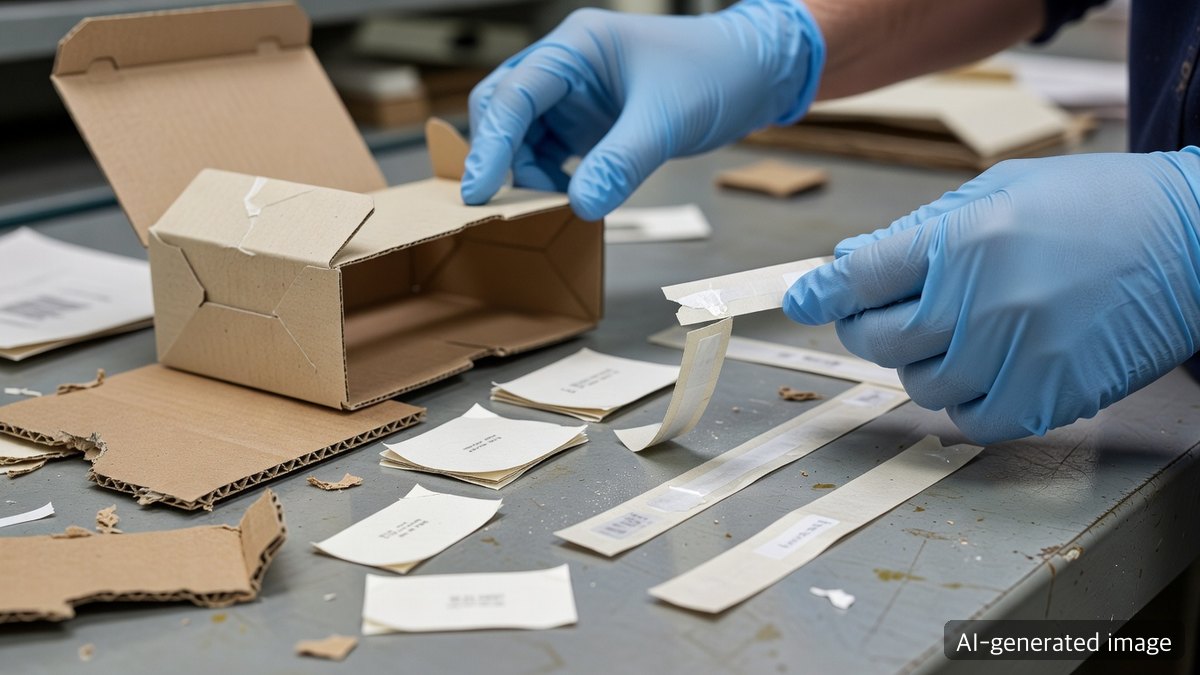
Third, do not underestimate labels and adhesives. Even a small label can create issues if a strong adhesive remains on the paper fiber stream. Label area, adhesive type, and removability should be reviewed together.
Fourth, manage ink coverage and finishing. Heavy printing and special finishing may improve shelf appearance, but they can also affect the quality of recovered fibers. Premium design should be balanced against recycling performance.
Fifth, align disposal instructions with the actual structure. A recycling mark is not useful if the package is difficult to separate or if the material mix contradicts the instruction.
What this means for B2B packaging procurement
Recyclability grades are becoming more relevant in B2B transactions. Customers increasingly ask for packaging material composition, recycling information, disposal labels, and regulatory support data. For large retail customers, private-label products, and export packaging, environmental documentation is often part of the packaging specification.
Procurement teams should request the following at the quotation stage:
- Material composition of the package
- Coating or lamination details
- Label and adhesive specifications
- Draft disposal labeling
- Recyclability grade-related documentation
- Design changes that could affect the grade
This makes price comparison more accurate. Two paper boxes may look similar, but the long-term compliance cost can differ depending on coating and label structure.
Design for the grade from the beginning
Recyclability should not be checked only after the package is finished. By that stage, dies, printing plates, labels, filling lines, and customer approvals may already be fixed. Design teams should consider recyclability early.
A practical sequence is:
- Define the required protection performance first.
- Check how far a mono-paper structure can go.
- Minimize any added materials and make them easy to separate.
- Review coating purpose, location, and recyclability data.
- Confirm disposal labeling before final artwork approval.
- Agree with customers on required documentation.
- Test samples before mass production.
Closing thoughts
Packaging recyclability grade assessment is not a decorative sustainability claim. It is a practical tool that pushes design, procurement, quality, and marketing teams to use the same criteria.
Paper packaging has real advantages, but the word “paper” is not enough. Coatings, labels, adhesives, mixed materials, and disposal instructions must work together. The expansion of top-grade packaging should be read as a design signal: make the structure simpler, easier to separate, and easier to document.
About the Author
PackingMaster writes practical B2B content on paper packaging, corrugated boxes, export packaging, and sustainable packaging regulations. The focus is on checklists and decision criteria that procurement, quality, and logistics teams can use together.