Does taking a packaging course make someone a certified professional engineer in South Korea? No such equivalence is established by the Packnet notice for a program organized by the Korea Packaging Industry Research Institute. Its stated objective is to train candidates for the 포장기술사 (Professional Engineer Packing) qualification. Q-net’s separate qualification page describes the national technical examination administered by the Human Resources Development Service of Korea. Applying for training and applying for the examination are different processes.
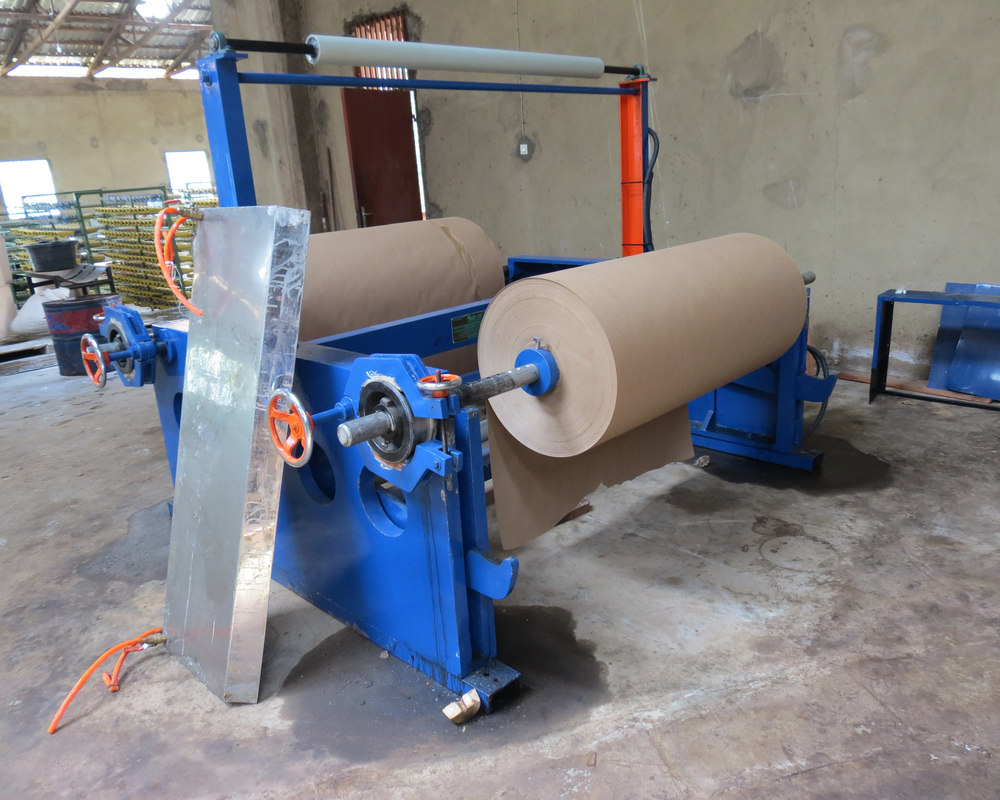
Cover reference photo: “Ndawara packaging production unit, production of cardboard boxes (02).JPG” by Bdx, CC BY-SA 4.0; center-cropped and resized, adaptation shared under the same license. It does not depict the advertised class or its organizer.

What the course notice actually offers
The published plan runs November 14, 2026 to January 16, 2027, on Saturdays from 10:00 to 18:00: ten weeks and 80 hours in total. It lists a classroom of the Korea Corrugated Packaging Industry Cooperative, 301 Hanshin Living Tower, 237 Hyoryeong-ro, Seocho-gu, Seoul. The recruitment window is September 7 to November 6, 2026, with approximately 30 places on a first-come basis. These are advertised terms—not a live confirmation of seats available on October 8. Confirm current capacity, fees, required documents, cancellations and any changes directly with the organizer before paying.
The course notice describes its target applicants as university graduates with at least five years of packaging-industry work who are eligible to take the HRD Korea Professional Engineer examination. Its attached PDF quotes a KRW 2 million course fee excluding VAT. The five-year statement is the organizer’s course-admission wording, not a national eligibility rule. Q-net’s general Professional Engineer eligibility guidance specifies six years of relevant work after graduation under the related-university-degree route. Other routes include an Engineer qualification followed by four years of relevant practice, or nine years of relevant practice. Check individual degree, credentials and employment evidence via Q-net’s eligibility self-diagnosis and the examining authority before paying for the course.
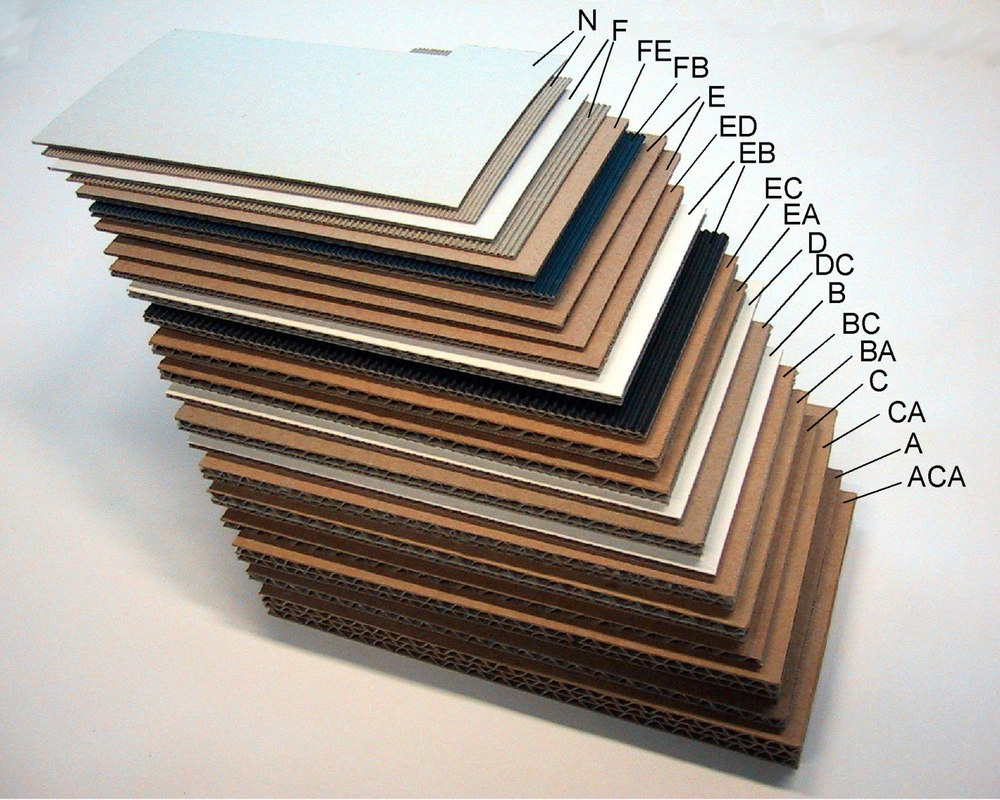
Photo: “Cardboard All Flutes Labeled” by Chris 73 / Wikimedia Commons, CC BY-SA 3.0; center-cropped and resized, adaptation shared under the same license.

The Q-net examination is a separate gate
Q-net describes written subjects including packaging planning and design, methods, materials and equipment. It describes short-answer and essay-style written questions and an oral interview. The occupation page links one set of exam standards for 2023–2026 and another for 2027–2030. Merely seeing a newer document listed does not show what changed between editions—or prove that the course materials already cover every update. Compare the full documents and ask the training provider what it has revised.
The 2026 regular Professional Engineer examination timetable displayed on Q-net is not the private course timetable. No evidence on these pages establishes that completing the course automatically approves exam eligibility, passes the examination or awards the national credential.

Reference photo: “Cardboard Boxes and their History” (original EXIF title “Emptied cardboard box”) by Creativity103 (cr103.com), CC BY 2.0; center-cropped and resized. The box is unrelated to the advertised course.

Four checks for corrugated and transport-packaging practitioners
- Match the syllabus to the job. Compare the provider’s detailed schedule with your work on corrugated design, converting, transport testing, materials and machinery. A broad “packaging” label is not a promise to solve every plant-specific problem.
- Validate examination eligibility independently. Gather degree and employment records and use Q-net’s applicable eligibility-check procedure. Admission to a course and acceptance of examination evidence are distinct decisions.
- Compare the two standards editions. Check the primary 2027–2030 document against the 2023–2026 version and ask which content the classes address. A posted standards file is not a pass guarantee.
- Confirm the live course intake. Even inside the advertised window, a first-come class may fill or change. This article is neither an application nor an eligibility assessment.
About the Author
PackingMaster: Editor of PaperPackLog. Covers market trends, product insights, and technology in the paper packaging industry.