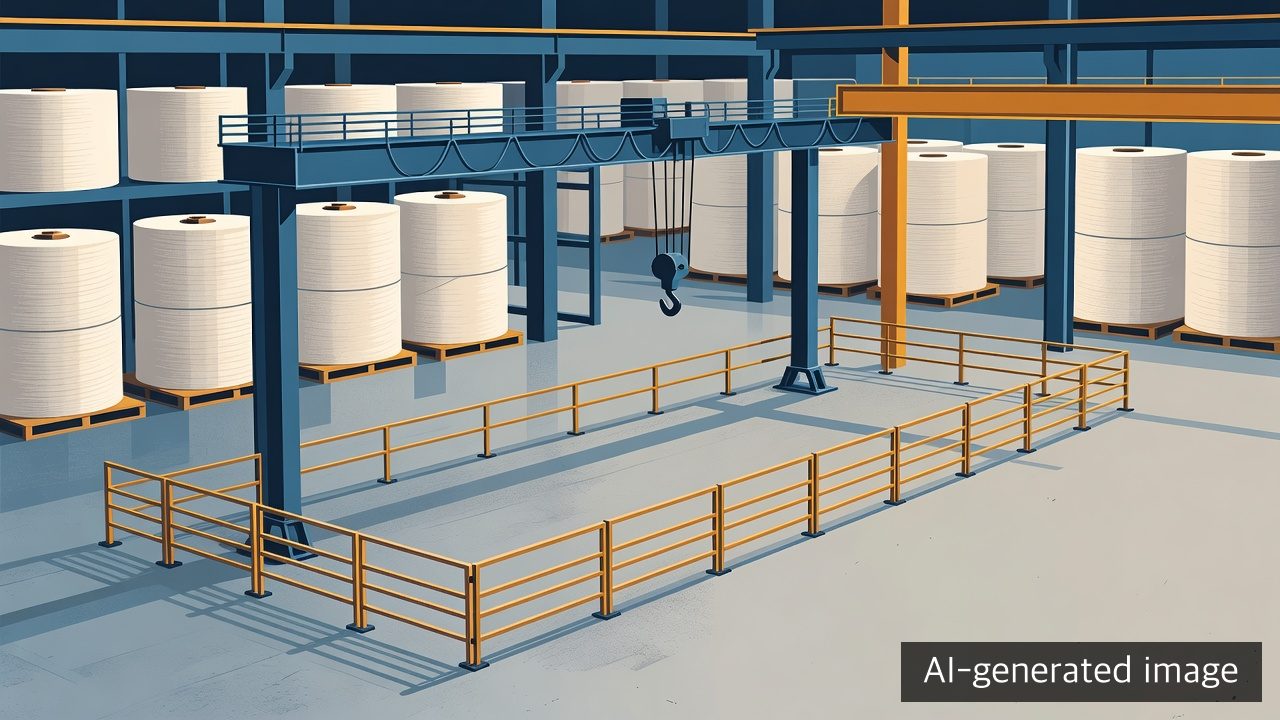
A fall during equipment-moving work at a paper-products plant in Paju, South Korea, has been reported. We mourn the person who died and wish those injured a full recovery. This article does not reconstruct the accident or assign blame. Its practical purpose is to review how people access elevated work areas, then ask sales and procurement teams to check any actual order exposure using separate evidence.
Site problem: The reported fall and unknown work conditions
Dong-A Ilbo and KBS report that around 2:50 p.m. on October 1, 2026, three workers fell from a crane carrier at a height of about 6.5 metres at a paper-products plant in Paju. One person died and two were seriously injured. KBS says they were reportedly moving machinery at the time. The accounts are similar, but the two URLs are not two independent official investigation findings. Dong-A describes the site more specifically as a sanitary paper-products manufacturing plant in Paju-eup.
Police and labour authorities were investigating the circumstances at the time of these reports. The reports do not establish whether the carrier was designed and approved to carry people, what fall protection was in place, whether contractors performed the work, who authorized it, the direct cause, or any legal breach. Neither establishes an official company statement, the scope of any stop-work direction, damage to equipment, production or shipment disruption, or a link to a particular customer’s order. Workers’ reported ages must not be turned into a causal explanation.
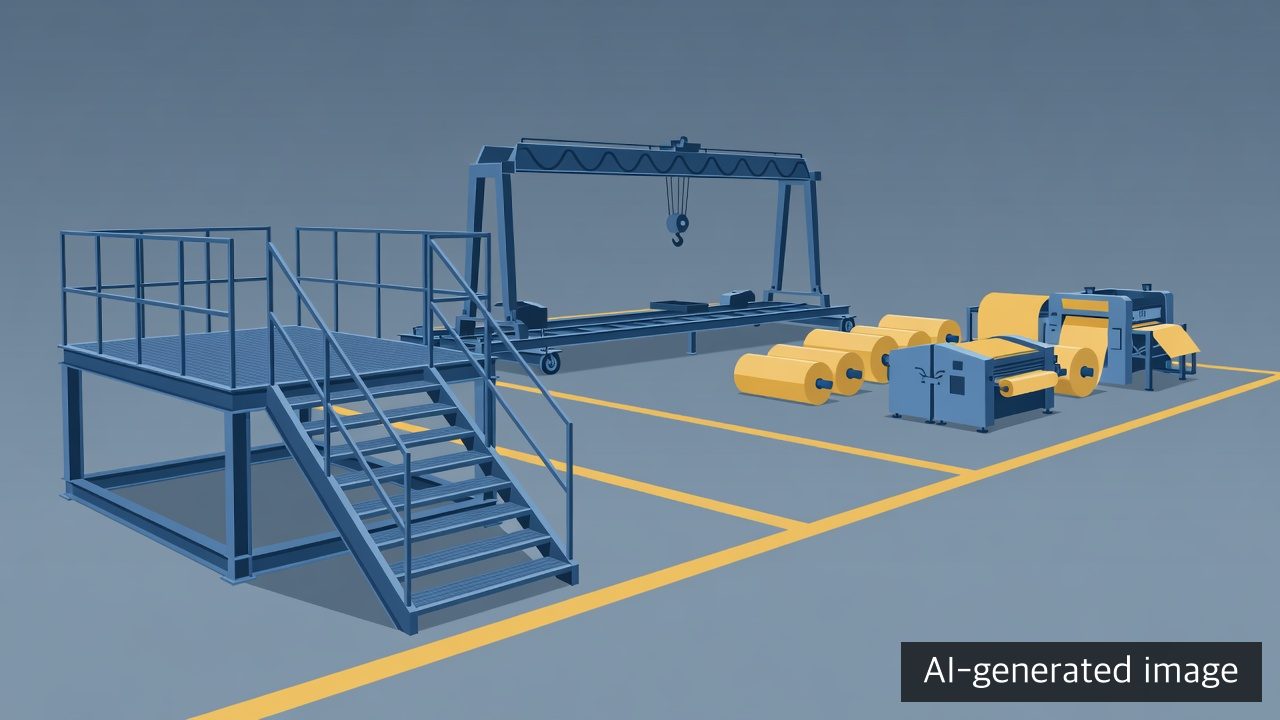
Evidence to check: Approve personnel access separately from lifting equipment
The following is our general editorial review aid, not an account of measures taken at the Paju site or an investigation finding. A crane’s load-handling apparatus is not automatically a suitable means of elevating people. Site leaders should check the specific manufacturer’s instructions, equipment approval and inspection status, applicable local rules, and their site risk assessment with the safety and equipment teams. If suitable access equipment and fall protection have not been established, do not put people on a load carrier to proceed with the job. Issuing a harness alone does not verify a safe platform or a suitable attachment point.
- Machinery-move lead: Identify the machine, weight, travel route and support condition; verify the crane and lifting gear’s intended use and keep people out from beneath suspended loads. Plan the worker access route separately.
- Elevated-work and fall-protection lead: Check the platform, guardrails, access route, exposure to a fall, required PPE, suitable anchor points, and rescue and emergency-contact plan for the actual site. If an improvised request to ride a carrier arises, pause and reassess a lawful, approved method.
- Contractor and shift lead: Clarify who is responsible across the client/contractor boundary, the permit and briefing, hand signals, each worker’s equipment suitability and readiness, and the shift handover. Do not presume capacity or cause based solely on age.
Practical output: One work ID for safety, one purchase-order ID for delivery
For the site, keep a work ID with equipment ID / route / personnel and employer / lifting gear / separate access equipment / fall protection and rescue plan / approver / unresolved hazards / time of the resume decision. This is an editorial record template, not a claim about a mandatory government form. Follow any actual direction from investigating authorities first.
For procurement and sales, keep a separate order ID with actual supplying plant / relevant item and line / released inventory / production, quality and dispatch states / transport booking / customer promised date / official contact and time of confirmation. Until the factory is shown to be your supplier, do not tell a customer that this accident will delay an order. Even after a link is established, do not invent a restart date or delay duration without a company statement and order-level stock and dispatch evidence.
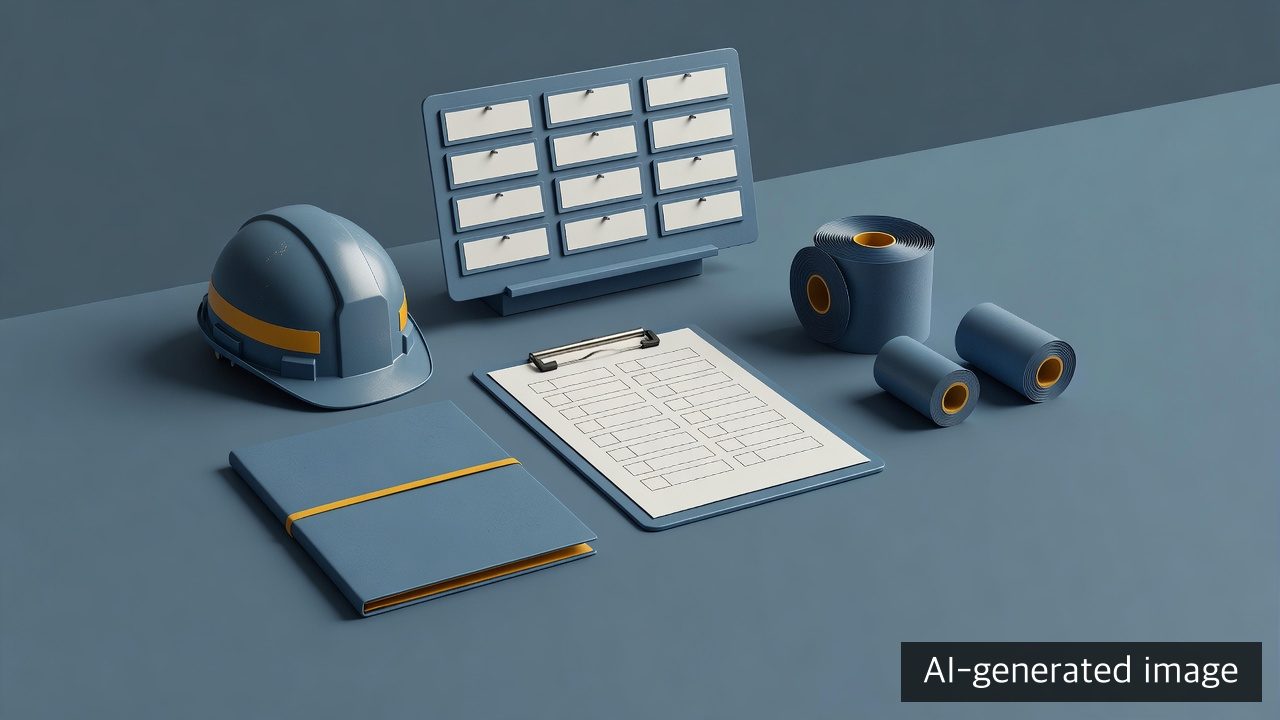
Hold conditions: One clearance cannot stand in for another
If the safety team cannot confirm the approved elevated-access and lifting methods and protective measures, hold the decision to resume comparable work. Completing a review of your own similar work does not establish that the Paju investigation has concluded or production there has normalized. For delivery, withhold definitive alternate-supply or customer-date claims if the actual supplier, item and order have not been linked or the official contact and dispatch evidence are missing. A bounded customer update would be: “We will confirm the shipment date for this order with the supplier’s official contact before advising you.”
The reported human harm and the ongoing investigation are the facts available here. Safety checks can start now; claims of a supply interruption or delivery impact require their own confirmation.
About the Author
PackingMaster is the PaperPackLog editor, covering paper packaging markets, products, and technical questions.
References
- Dong-A Ilbo, “Fall during crane work at a Paju plant; one dead, two seriously injured” — police-attributed report of location, time, height, casualties and investigation; image credited to News1.
- KBS, “Paju plant fall: one dead and two seriously injured” — report of time, harm and machinery-moving work; photograph credited to Yonhap. These are not treated as two separate official investigations.