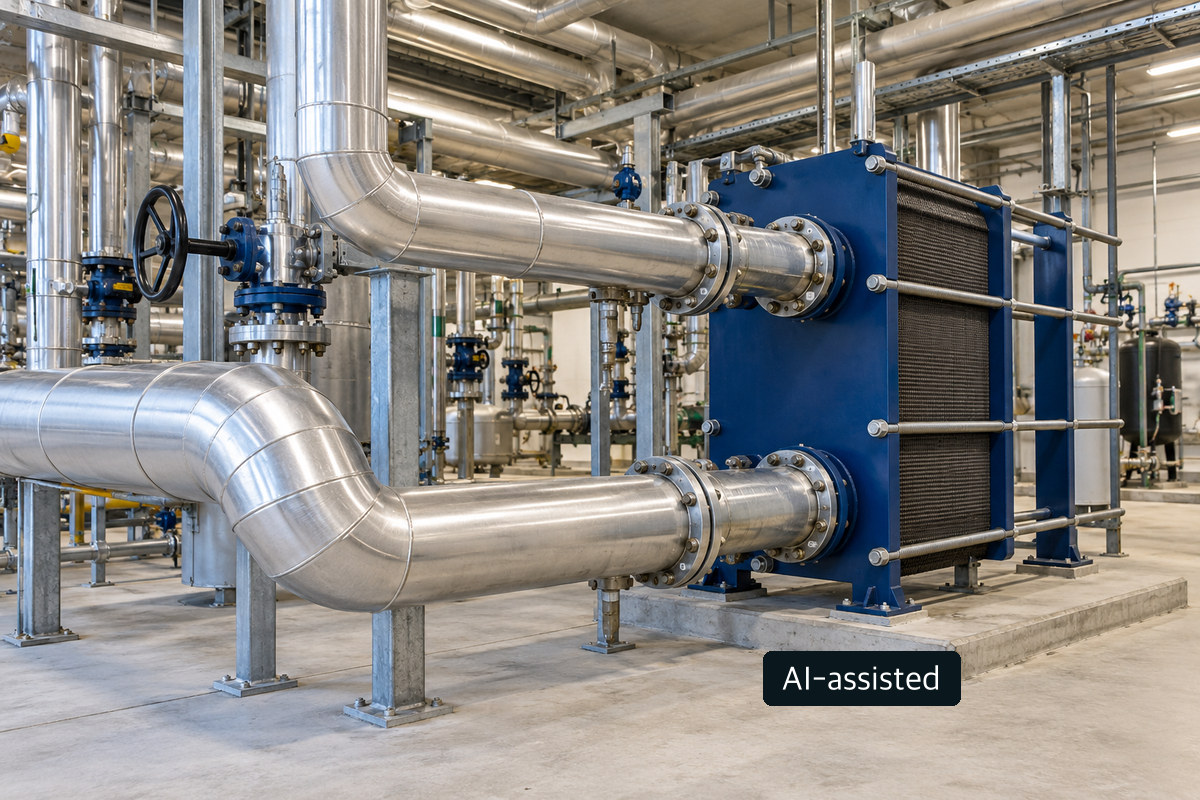
Electrifying industrial process heat is not an equipment-only decision. Frost & Sullivan’s public industrial-electrification analysis page lists paper and pulp among the industries it covers. A 23 October 2026 article by the firm in Pulp & Paper Canada argues that, even where electric heating technologies are commercially available, grid-connection queues and financing can delay deployment. This is industry-level analysis, not evidence that a named paper mill faces a particular queue or that a country has a universal connection rule.
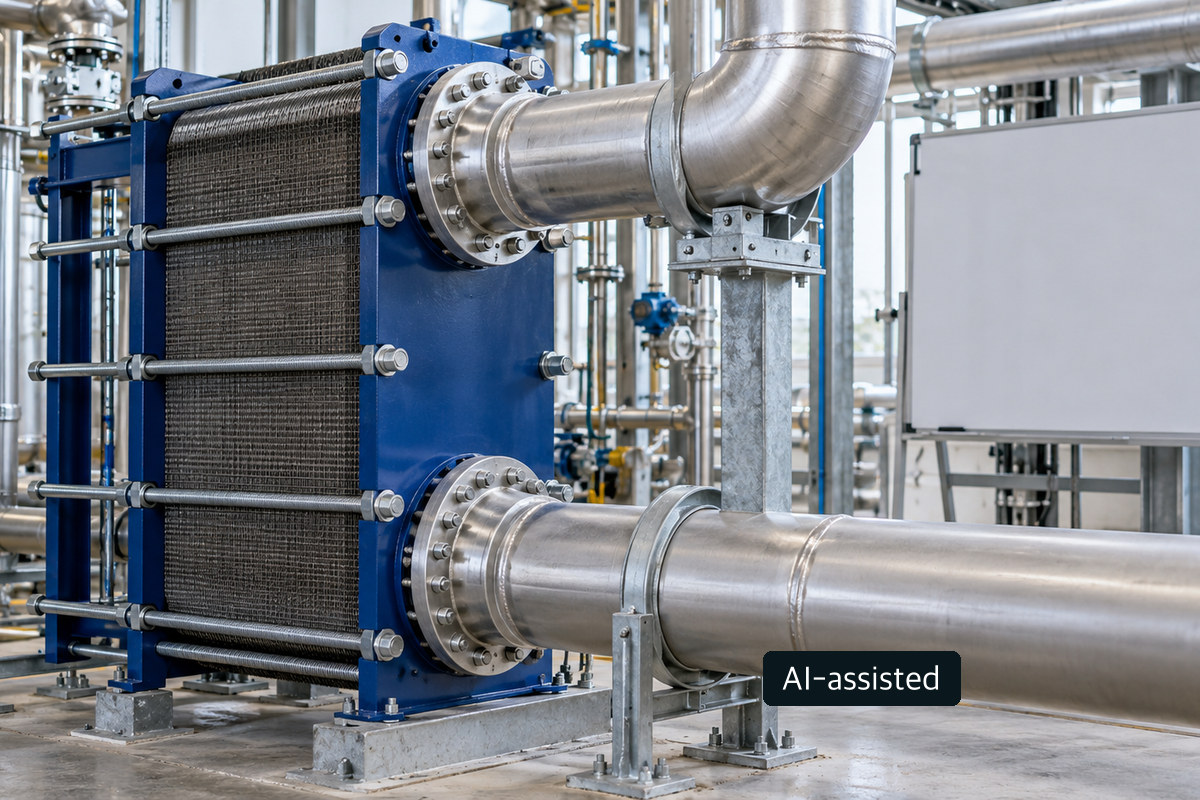
The images are conceptual, with no identified plant or installation project; they should not be mistaken for evidence of an operating paper mill.
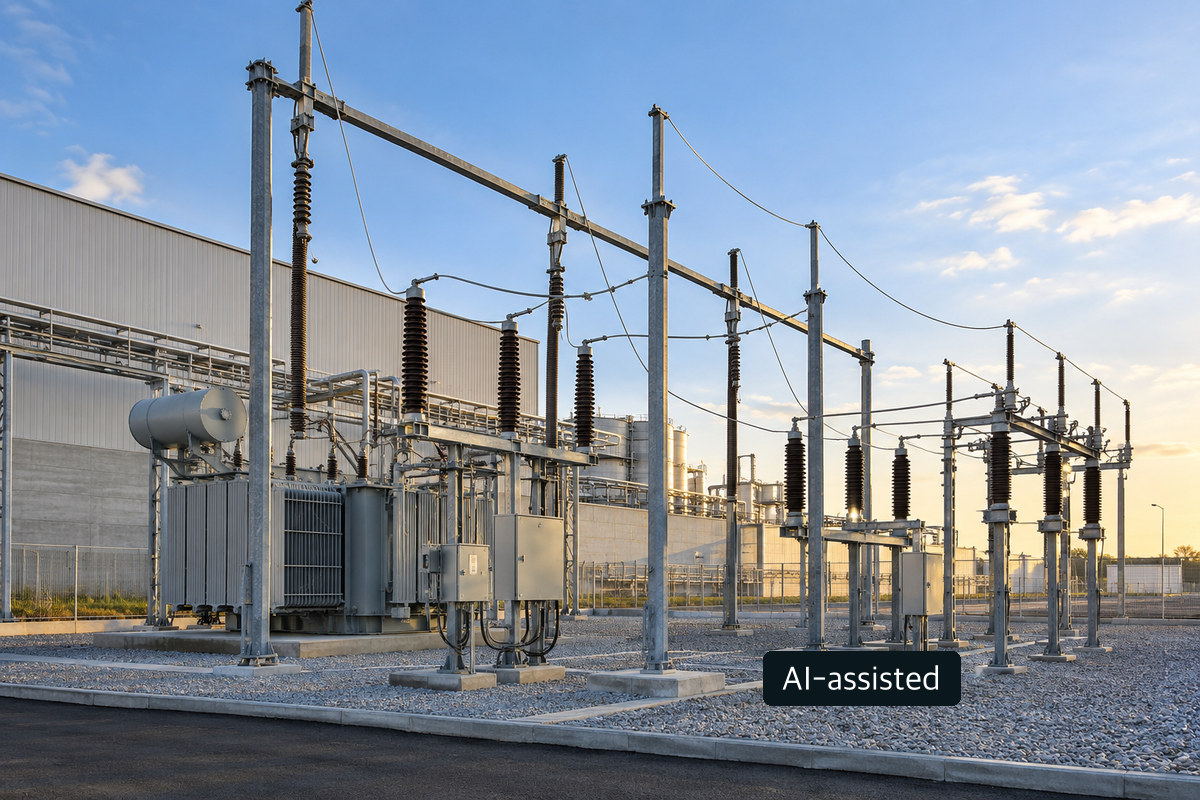
Put heat demand and electricity availability on one timeline
Steam and hot-water users in a mill—drying, stock and water preparation, cleaning and ventilation—have different temperatures, pressures and operating patterns. Replacing a fuel-input figure with one electric nameplate rating overlooks hourly heat peaks and the unused capacity of existing transformers and switchgear. The table is a project-screening checklist, not measured data from a specific site.
| Decision area | First evidence to obtain | Pre-order decision |
|---|---|---|
| Heat demand | Time-series pressure, temperature and flow by process; condensate return; seasonal load | Which thermal loads are candidates and when |
| Electricity | Existing demand peak, service contract, transformer and breaker ratings, onsite generation and backup | Added peak kW and power-quality implications |
| Connection | Requested capacity, utility’s connection date, reinforcement scope and cost-sharing terms | Whether energization precedes the intended commissioning date |
| Economics | Time-of-use tariff, fuel and carbon-related costs, reinforcement cost, financing | Whole-project capital and operating costs—not the skid price alone |
| Production continuity | Shutdown window, steam backup, outage response and control-system integration | No conversion before quality and safety approval |
A queue position is not an approved energization date. The article’s discussion of multi-year delays applies to some jurisdictions and projects. For any individual mill, obtain a written response and project schedule from the responsible network operator.
Match technology to the grid and process boundary
An industrial heat pump depends on its available source heat and required delivery temperature; part-load conditions matter. An electric boiler may be straightforward to integrate thermally but can impose a large electrical peak when steam demand rises. Resistance and induction heating have different process interfaces. Frost & Sullivan maps multiple technologies across heat requirements and industries; its public analysis does not certify a technology choice for a specific paper machine.
Maintain three linked schedules: (1) measured process heat and concept design, (2) network study and reinforcement, and (3) procurement, outage work and commissioning. Completing (3) before the service in (2) is available cannot start normal operation. Vendor efficiency claims must also use the same temperature, heat-source, electric-input and backup boundaries as the mill’s proposed installation.
Pause conditions before the purchase order
Pause the main equipment commitment if the connection date and reinforcement cost are not documented, steam peaks have not been reconciled with electrical demand on the same timeline, or the safety, quality and shutdown procedures for replacing the existing heat source remain undefined. Request a heat/electric load boundary, part-load performance guarantee and interface specification from the equipment supplier; separately request capacity, timing and construction terms from the network operator.
This is a general investment-screening framework. It does not document an actual delayed mill project, country-specific interconnection requirements or a measured return on investment. Those conclusions require site metering and the local utility’s written decisions.
References
- Frost & Sullivan, industrial electrification analysis overview (accessed 24 October 2026). Public overview only; the full gated study was not reviewed.
- Pulp & Paper Canada, “Constraints shift for electrification of industrial process heat” (23 October 2026, contributed by Frost & Sullivan; accessed 24 October 2026). Industry discussion of grid and finance constraints, not a plant-level case study.
About the Author
PackingMaster reviews equipment investments in papermaking and packaging. We distinguish broad industry analysis from measured and approved site-specific conditions.