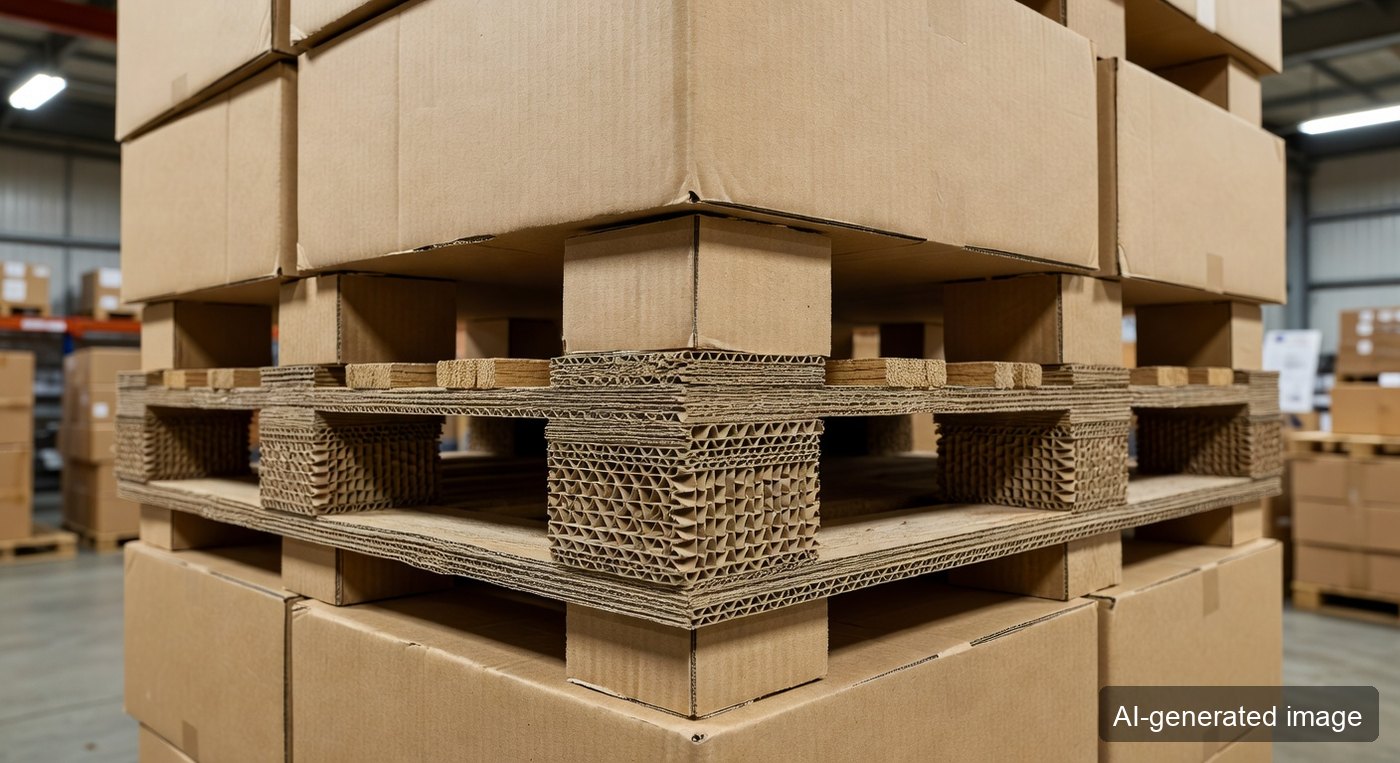
When export packaging uses wooden pallets, wooden skids, or wooden support blocks, ISPM 15 is hard to ignore. The standard exists to reduce the movement of pests through wood packaging material used in international trade. Depending on the destination, wood packaging may require treatment, marking, and inspection.
That is why many exporters consider paper pallets, paper support blocks, and compressed paper skids. Paper-based packaging can reduce the burden associated with wood packaging material. But the decision cannot stop there. Lower quarantine risk does not automatically mean the package can survive the logistics conditions.
This article explains when paper pallets and paper blocks can be useful alternatives and which load, humidity, ocean freight, and storage conditions must be checked.
What ISPM 15 Controls
ISPM 15 is an international standard for reducing pest risks from wood packaging material in trade. Agencies such as U.S. CBP, USDA APHIS, and GOV.UK explain that wood packaging material may need to meet treatment and marking requirements.
Common examples include:
- wooden pallets;
- wooden crates and boxes;
- wooden support blocks, skids, and dunnage;
- wood structures used to support, protect, or move cargo.
Materials such as paper, plastic, metal, and certain processed wood products may be treated differently depending on the country and exact construction. However, exporters should not assume that “non-wood” automatically means “no issue.” Destination rules, packaging descriptions, and inspection practice still matter.
When Paper-Based Alternatives Are Attractive
Paper pallets and paper support blocks can be especially useful in the following situations.

1. One-way export packaging
If the packaging will not return and will be disposed of at the destination, lightweight recyclable paper-based structures can be practical. Avoiding wood treatment and marking complexity is also valuable.
2. Air freight or weight-sensitive shipments
Paper pallets can often be lighter than wooden pallets. If the cargo is not too heavy and the support conditions are clear, the total shipping weight may be reduced.
3. Products sensitive to splinters, nails, or wood debris
Painted surfaces, precision components, sheet materials, films, and food-related outer packaging may suffer from wood splinters or nails. Paper blocks can provide a cleaner contact surface.
4. Custom dimensions and easier disposal
When the support height, length, or position must match the product base, paper blocks can be designed to fit the cargo. They can also simplify disposal where paper recycling is available.
Why Performance Still Needs Separate Verification
Paper pallets and paper blocks are attractive from a quarantine perspective, but logistics performance must be reviewed separately. Ocean export packaging can face several risks:
- condensation and humidity inside containers;
- forklift impact during port and warehouse handling;
- eccentric loads during block stacking or pallet racking;
- concentrated load points under the product;
- compression strength loss during long storage;
- edge damage caused by strapping or stretch wrapping.
Paper-based structures can be strong when designed correctly, but they are sensitive to moisture and load distribution. Do not rely only on catalog maximum load numbers. Test against the real shipping conditions.
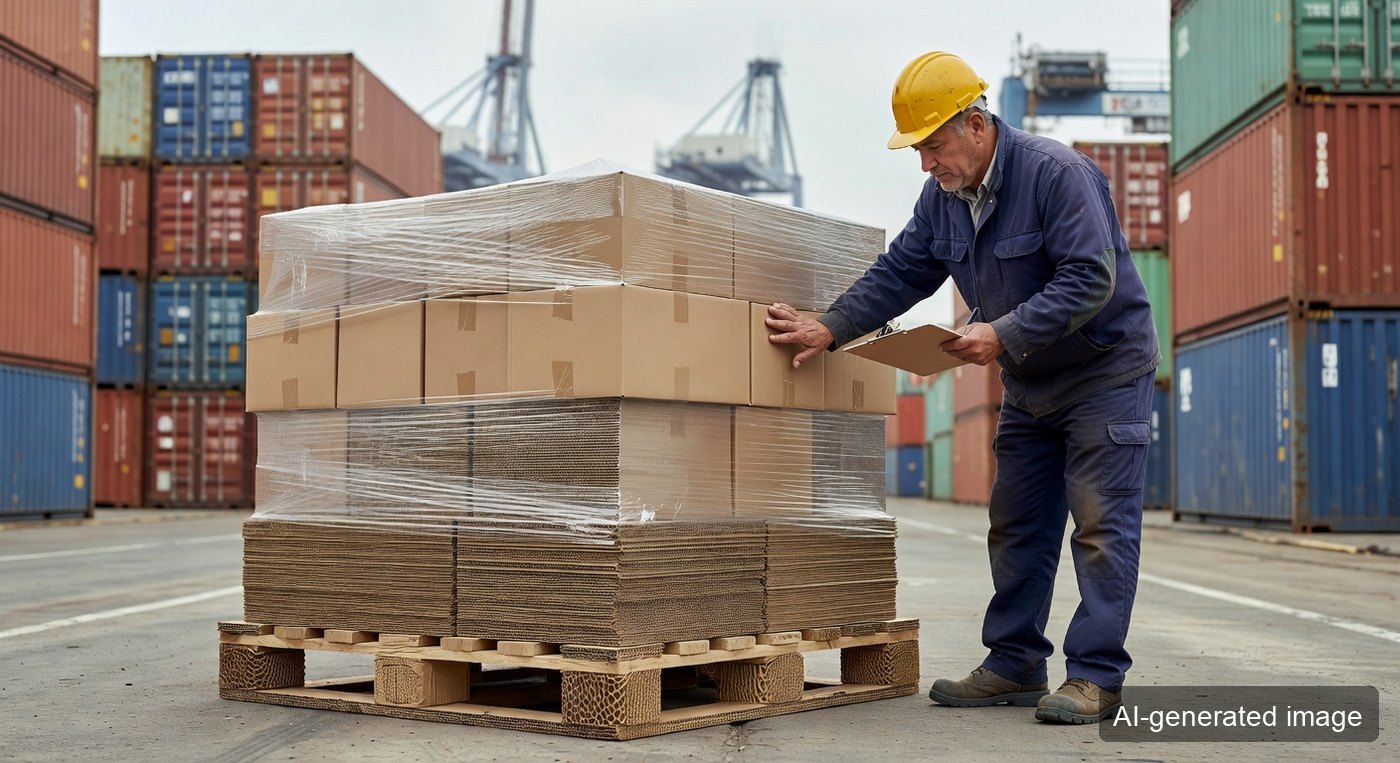
Separate the Load Conditions
The first step is to separate the type of load.
1. Static load
This is the load carried while the package remains stationary on the floor. It relates to warehouse storage, staging, and container loading. Total cargo weight, number of support points, contact area, and product base stiffness all matter.
2. Dynamic load
This is the load during forklift movement, loading, unloading, and transport vibration. It is often closer to real damage risk than static load. Fork entry direction, support spacing, strapping position, and wrapping tension all affect performance.
3. Rack load or partial-support load
This is the condition where only part of the pallet or support structure is supported, such as in pallet racking. It is much more demanding than full floor support. A paper pallet that works on the floor may not be suitable for racking.
Export Packaging Checklist
Before using paper pallets or paper support blocks as an ISPM 15 alternative, confirm the following:
- destination country and port requirements for wood packaging material;
- whether the packaging truly contains no regulated wood components;
- total cargo weight and load distribution across supports;
- static, dynamic, and rack load data or comparable use cases;
- ocean freight duration and expected humidity or condensation;
- need for moisture coating, moisture barrier sheets, desiccants, or indoor storage rules;
- forklift entry direction and support spacing;
- whether strapping, wrapping, or corner protection damages the paper structure;
- whether paper recycling or disposal is available at the destination;
- how the packaging material should be described in shipping documents.
Paper Pallet or Paper Block?
A paper pallet is useful when multiple cartons or products must be unitized and handled with forklifts. Its deck and lower structure provide a more familiar platform for movement and stacking.
Paper support blocks are closer to a skid or dunnage function. They raise a product from the floor, create forklift clearance, or support heavy plate-like items. They require careful placement because wrong support spacing can concentrate load and bend the product base.
Conclusion
Paper pallets and paper support blocks can be valuable alternatives to wood packaging material under ISPM 15. They are especially relevant for one-way exports, weight reduction, easier disposal, and products that should avoid wood debris or nails.
But export packaging must do more than pass quarantine. It must survive loading, ocean freight, humidity, storage, and destination handling. Treat quarantine risk and logistics performance as two separate checks before switching from wood to paper-based supports.
Frequently Asked Questions
Q: Are paper pallets covered by ISPM 15?
ISPM 15 primarily applies to wood packaging material. Paper-based pallets may reduce wood-packaging quarantine risk, but exporters should confirm the destination rules and the actual material composition.
Q: Can paper blocks always replace wooden support blocks?
No. Suitability depends on load, contact area, humidity, ocean freight duration, forklift handling, and storage conditions. High-load or humid environments require separate testing.
Q: What should be prepared before requesting a quotation?
Prepare total cargo weight, support positions, stacking height, transport mode, destination country, storage period, humidity conditions, forklift entry direction, and disposal requirements.
About the Author
PackingMaster: Editor of Paper Pack Log. We collect and explain market trends, product information, and technical insights from the paper packaging industry.
References